

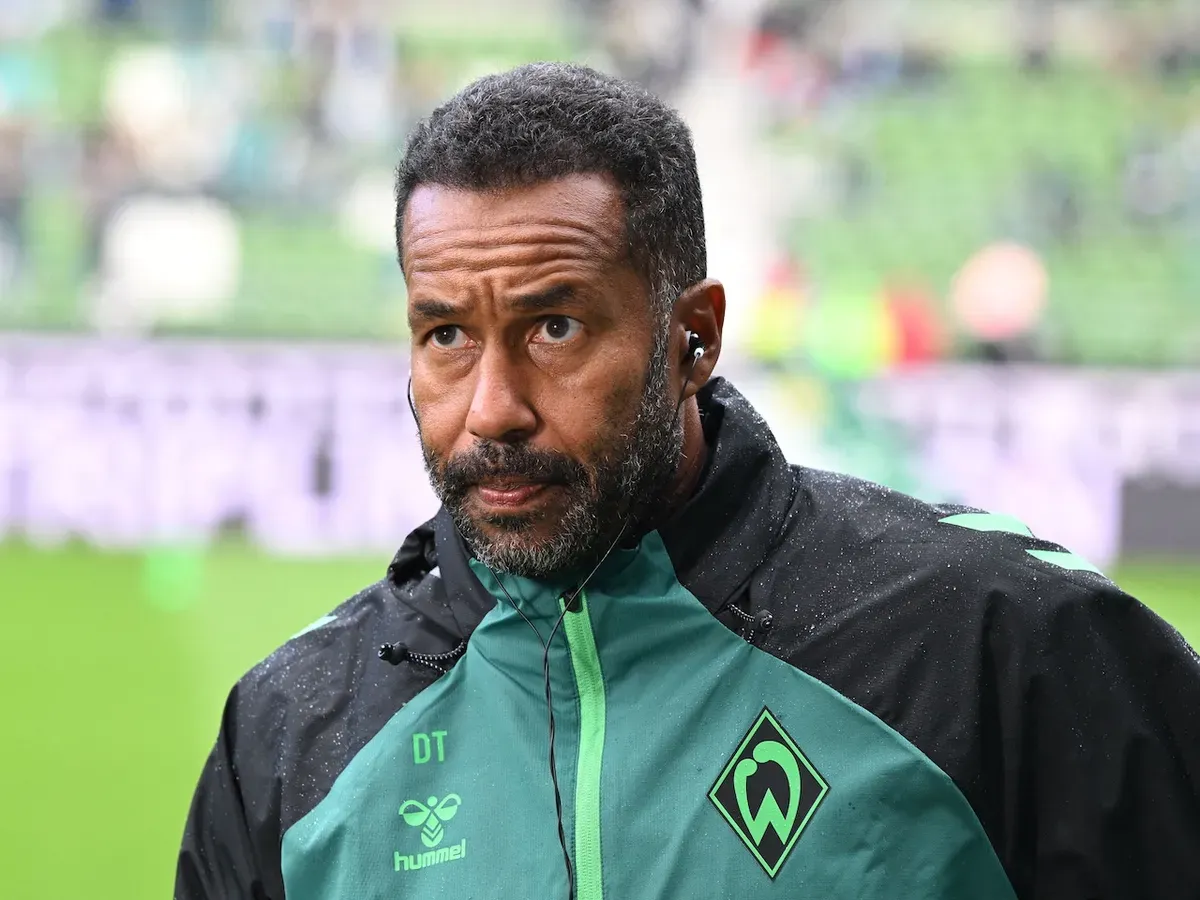
The Bundesliga’s title race may still be wide open, but Werder Bremen’s fight for European football’s elite stage is narrowing by the matchday. This weekend’s home fixture against SC Paderborn—currently languishing in 15th place—presents a rare opportunity to secure three points without the pressure of a top-four battle. Yet the challenge is not just tactical; it is logistical. Bremen’s squad is fractured by injuries that stretch from their defensive anchor to their creative midfield, while Paderborn’s offensive barrenness could either become a liability or a tactical goldmine for Daniel Thioune’s side.
Paderborn’s struggles are starkly evident in their recent form. The newly-promoted side has scored just once in their last five Bundesliga games, a record that reflects both their defensive vulnerabilities and their inability to break down higher-ranked opponents. Their lone goal in that stretch came against Stuttgart, a team that has already secured Champions League football. Against Werder Bremen, however, Paderborn’s defensive shape—particularly their backline—will be tested by Bremen’s direct, counter-attacking style. Karl Hein’s leadership in goal will be crucial, but the real question is whether the hosts can maintain their defensive solidity when facing Paderborn’s occasional long-ball approach, which relies on quick transitions from the back.
Bremen’s injuries, however, create a paradox. Felix Agu’s calf issue is the most high-profile absence, but the deeper concerns lie in their midfield. Justin Njinmah’s hamstring problem, Jens Stage’s tendon rupture, and Senne Lynen’s groin troubles mean Thioune will need to rotate his options carefully. The loss of Njinmah—once a key figure in Bremen’s midfield—could force a shift to a more defensive structure, particularly with Moussa N’Diaye sidelined by groin problems. This could leave Bremen vulnerable to Paderborn’s rare moments of possession, where their young midfielders like Laurin Curda and Gabriel Vidović might look to exploit spaces left by Bremen’s depleted options.
The tactical battle will hinge on Bremen’s ability to dictate tempo. Their last match, a 2-2 draw against Borussia Dortmund, showed their resilience in high-pressure situations, but it also exposed their need for consistency in attack. Chuki’s creativity and Niclas Füllkrug’s finishing will be vital, but without their usual midfield engine, Bremen may struggle to create clear-cut chances. Paderborn, meanwhile, will rely on their counter-attacks, with players like Santi Castaneda and Marvin Pieringer looking to exploit Bremen’s defensive lines when they’re stretched forward. The hosts’ ability to press high and limit Paderborn’s build-up play could be the difference between a hard-fought draw and a decisive win.
This fixture is more than just a test of fitness; it is a litmus test for Bremen’s European ambitions. A win here would propel them into the top four, where the path to Champions League football becomes clearer. Paderborn, meanwhile, will be desperate to avoid another heavy defeat, knowing that their survival in the Bundesliga may depend on a few more points than they’ve managed so far. For Thioune, the challenge is clear: turn Bremen’s tactical flexibility into an advantage, even with their squad in pieces. For Kettemann, the task is simpler but no less daunting—survive and score, because Paderborn’s offensive arsenal is as thin as their recent results.



