

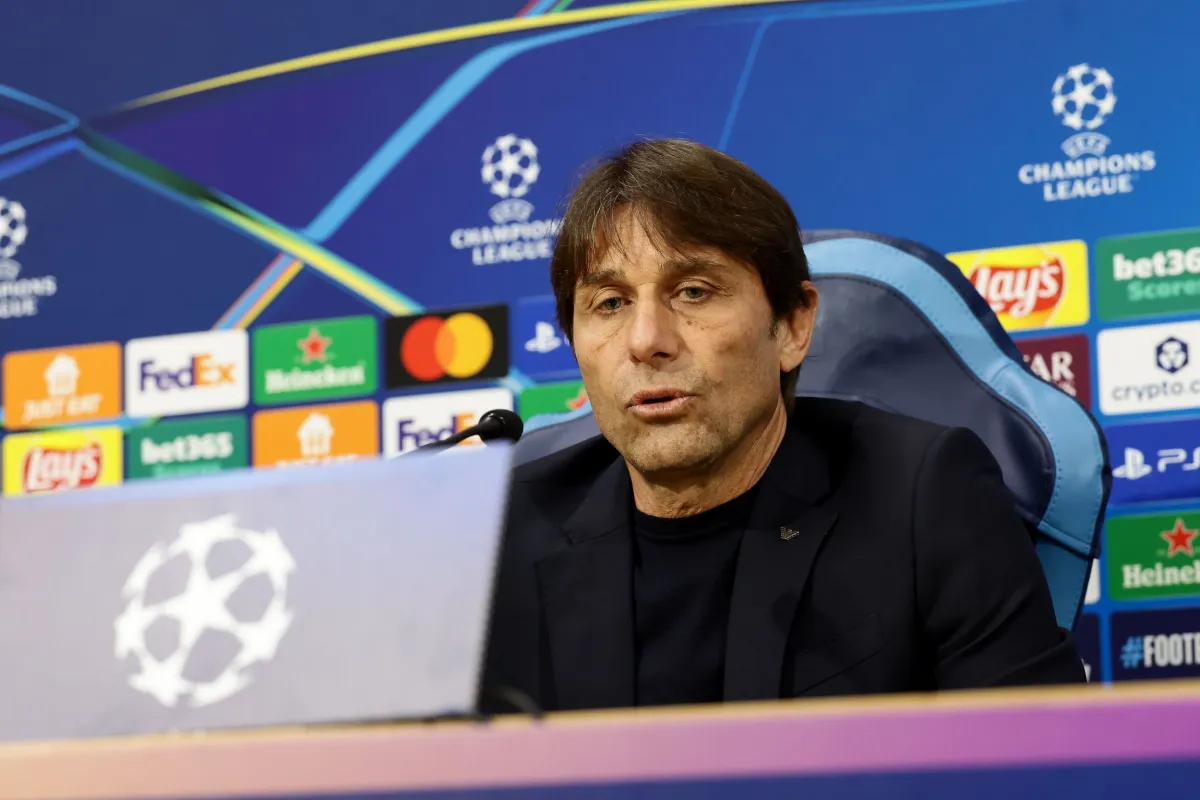
Manchester United’s managerial crisis has reached a critical juncture, with Antonio Conte emerging as the most credible successor to Michael Carrick—if the Red Devils’ board ultimately decides to act. Reports confirm Conte has initiated direct discussions with United, signaling his readiness to return to management with a mandate to restore the club’s competitive footing. His interest is not speculative; it is deliberate, rooted in a proven track record of transforming underperforming teams into title contenders. Conte’s name has been linked to Old Trafford for months, but the urgency has now crystallized as Carrick’s first season in charge collapses under the weight of a 13th-place finish and a string of defeats that have exposed the squad’s tactical vulnerabilities.
The scale of United’s struggles cannot be overstated. After a promising late-season resurgence under Carrick last campaign—culminating in a third-place finish—the Red Devils have stumbled into this season with alarming haste. Nine games in, United have secured just two victories, their form deteriorating to the point where they were eliminated from the Carabao Cup with a 3-2 home defeat to Brighton. The defensive frailties that plagued their campaign have persisted, while their midfield, despite summer signings like Youri Tielemans and Andrey Santos, remains inconsistent. Carrick’s insistence on further reinforcements—particularly a left-back and a deeper midfielder—highlights the structural weaknesses his system has failed to address. The board’s patience, once a cornerstone of his appointment, is now fraying as the financial investment in this project yields diminishing returns.
Conte’s approach to this opportunity is calculated and unapologetic. His representatives have conveyed to United that he is ‘absolutely ready’ to take charge, framing his return as a pragmatic solution to a club in disarray. The former Chelsea and Tottenham manager’s reputation as a tactically astute leader—one who thrives under pressure—has only been reinforced by his recent comments, where he outlined a vision for United’s revival. His emphasis on ‘making the team shine again’ resonates with a fanbase desperate for a return to dominance. Conte’s experience in England’s top flight, where he won the Premier League and FA Cup at Chelsea, adds weight to his candidacy. Yet his availability is not guaranteed; reports suggest he is in the final stages of ‘reaching an agreement’ with a potential employer, meaning United must act swiftly if they wish to secure his services.
The internal dynamics at Old Trafford are equally fraught. Despite Carrick’s claim that the squad remains ‘100% behind’ him, the results speak otherwise. Three defeats in seven games—including a 2-1 loss to Ipswich and a 1-0 defeat to Sabah—have eroded confidence among players and supporters alike. The arrival of Cristian Orozco, a young Colombian midfielder, has not alleviated the pressure; his public commitment to rapid adaptation underscores the urgency of the situation. Orozco’s words—‘I want to learn as quickly as possible’—mirror the sentiment of many at the club, who now question whether Carrick’s methods are sufficient to navigate the Premier League’s evolving demands. The board’s decision will hinge on whether they believe a change in leadership is the only path to salvaging this campaign, or if they are willing to gamble on a prolonged period of instability.
For Conte, this could be the opportunity he has long sought. His hiatus since leaving Napoli has been marked by speculation about his next move, but the Manchester United job offers a rare blend of prestige and challenge. The club’s financial resources—evidenced by their summer splurge on Tielemans and Santos—provide a solid foundation, though Conte would need to address the squad’s defensive deficiencies and midfield cohesion. His tactical acumen, honed in Serie A and the Premier League, would be put to the test in a league where defensive organization and set-piece mastery are increasingly decisive. If United proceed, Conte’s arrival would not only signal a managerial overhaul but also a strategic realignment, one that could either restore the club’s competitive identity or deepen the crisis if misjudged. The clock is ticking, and the next few weeks will determine whether Carrick’s tenure ends in a quiet exit or a dramatic reshaping of Old Trafford’s future.



