

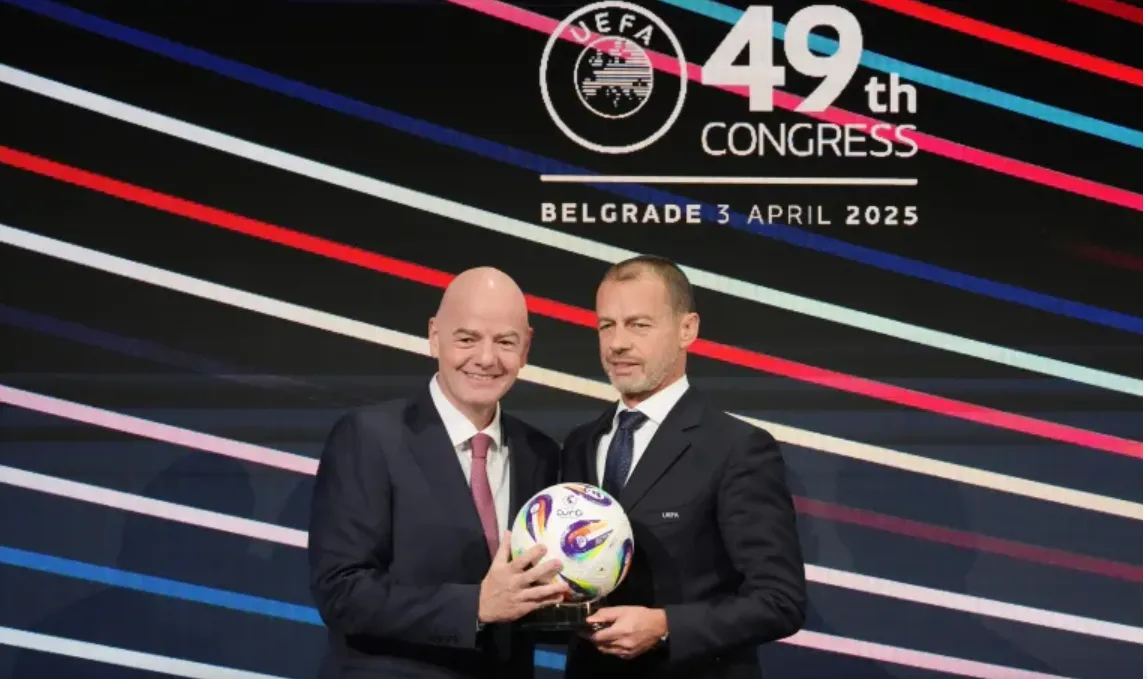
European football’s leadership is assembling a deliberate, high-stakes campaign to dismantle Gianni Infantino’s decade-long grip on FIFA presidency. The urgency is palpable: with the 2027 election looming, UEFA President Aleksander Ceferin and his allies from AFC and CONCACAF have already signaled their intent to dismantle the Swiss leader’s authority, framing their challenge around allegations of deception and a perceived betrayal of trust over the World Cup commercialization strategy. The question now is whether their collective force can overcome the logistical and political obstacles—starting with the absence of a clear, unified candidate to replace him.
The timing could not be more critical. Infantino, who has governed FIFA with a mix of pragmatism and controversy since 2016, has faced growing skepticism from European football’s core. Ceferin’s alliance with Sheikh Salman bin Ebrahim Al Khalifa of Bahrain (AFC) and Victor Montagliani of Canada (CONCACAF) reflects a rare convergence of interests across continents, but their path is far from guaranteed. Neither Ceferin nor their confederation peers currently appear on the ballot, a detail that underscores the complexity of the task ahead. The strategy must now pivot to either rallying existing FIFA members or identifying a viable alternative—someone with the political capital to unite the fractured global federation.
The controversy at the heart of this push stems from Infantino’s handling of FIFA’s commercial rights, particularly the World Cup’s lucrative media deals. Critics argue his approach has prioritized short-term financial gains over the long-term integrity of the game, a charge that has resonated most sharply in Europe. Ceferin’s public condemnation in August—joined by his confederation counterparts—was a turning point, signaling that the patience of Europe’s football elite has worn thin. Yet the challenge extends beyond rhetoric. FIFA’s governance structure, with its 211 member associations, demands a candidate who can navigate regional divisions, financial interests, and the legacy of Infantino’s influence.
The stakes transcend football’s political theater. A successful challenge could reshape the federation’s priorities, from transparency in governance to the distribution of World Cup revenues. Infantino’s tenure has been marked by both achievements—expanding the tournament to 48 teams and boosting global participation—and controversies, including accusations of authoritarianism and favoritism. The European leaders’ campaign must now balance these realities, presenting a compelling vision for FIFA’s future while addressing the very real concerns that have united them. The coming months will determine whether this alliance can translate strategy into action—or if Infantino’s tenure will endure despite the growing dissent.



