

The 2030 FIFA World Cup, marking the 100th anniversary of the tournament’s inception, has secured a new global broadcaster in Netflix, with exclusive rights granted for Spain and Andorra. The deal, announced on Tuesday, ensures that every match of the expanded 104-game tournament—including pre-game, halftime, and post-game shows—will be available exclusively through the streaming platform. This move solidifies Netflix’s position as a major player in live sports, particularly in football, where its existing contracts for the 2027 and 2031 FIFA Women’s World Cups in the U.S. and Canada have already demonstrated its ambition.
The 2030 tournament will be a historic event, not just for its centenary significance but for its geographical scale. While Spain, Morocco, and Portugal serve as the primary host nations, Argentina, Paraguay, and Uruguay will each host a centenary celebration match, paying homage to the 1930 tournament in Montevideo. This expansion reflects FIFA’s commitment to celebrating the game’s legacy while modernizing its global reach. The inclusion of these legacy nations adds a layer of nostalgia, ensuring that the tournament’s roots are honored alongside its future innovations.
Netflix’s partnership with FIFA extends beyond mere broadcasting rights. The platform will provide comprehensive coverage, including daily roundups on match days and additional programming leading up to the tournament. This approach aligns with Netflix’s strategy of immersive storytelling, where football is not just a sport but an experience. The absence of financial terms in the announcement underscores the strategic value of the deal, as Netflix continues to invest in high-profile sports content to attract and retain subscribers.
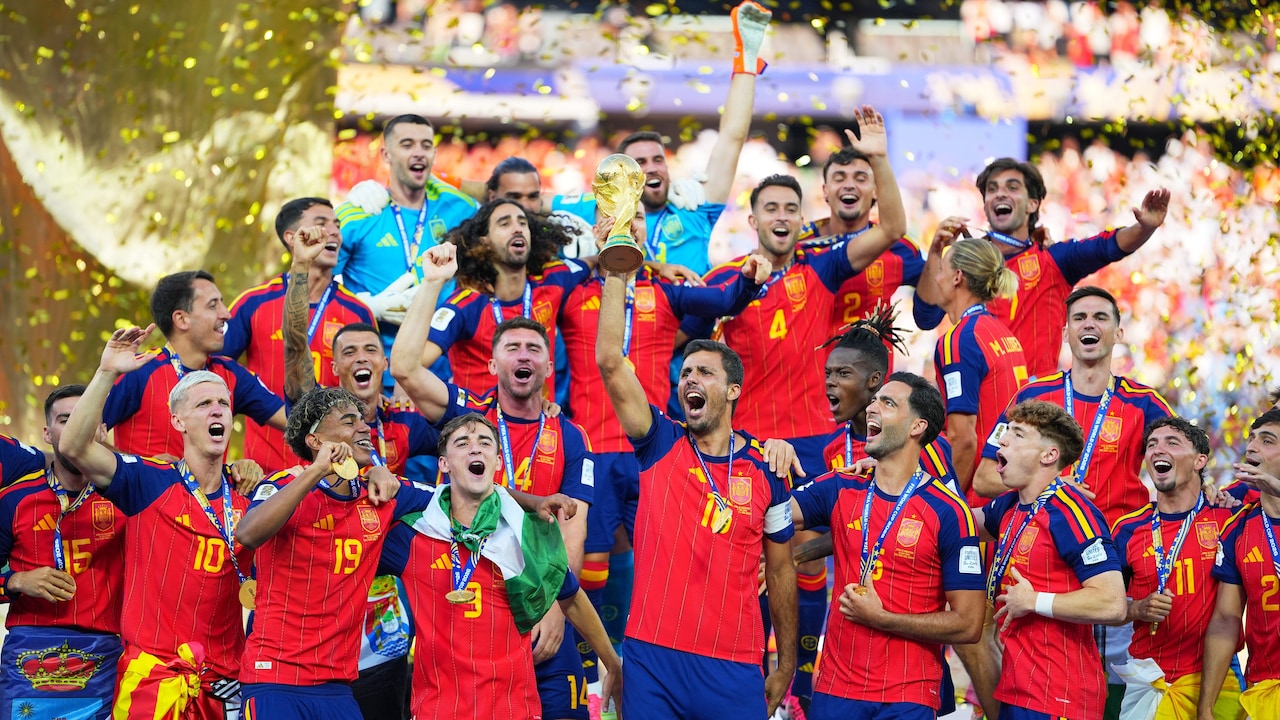
For Spain, the defending champions of the 2026 World Cup, this deal represents more than just a broadcasting agreement—it’s a validation of the nation’s enduring role in football. The tournament’s centenary status amplifies its importance, and Netflix’s exclusive rights ensure that Spanish fans, as well as global audiences, will have unparalleled access to the competition. The move also signals a shift in how major sporting events are consumed, with streaming platforms increasingly becoming the primary gateway for live sports content.
As the football world prepares for the 2030 tournament, Netflix’s involvement marks a turning point in how the game is experienced. The deal is not just about broadcasting matches; it’s about redefining the fan experience, blending tradition with technological innovation. With the 2030 World Cup set to begin on June 8, 2030, and conclude on July 21, the stage is set for a new era in football broadcasting—one where Netflix plays a central role in bringing the world together around the beautiful game.



