

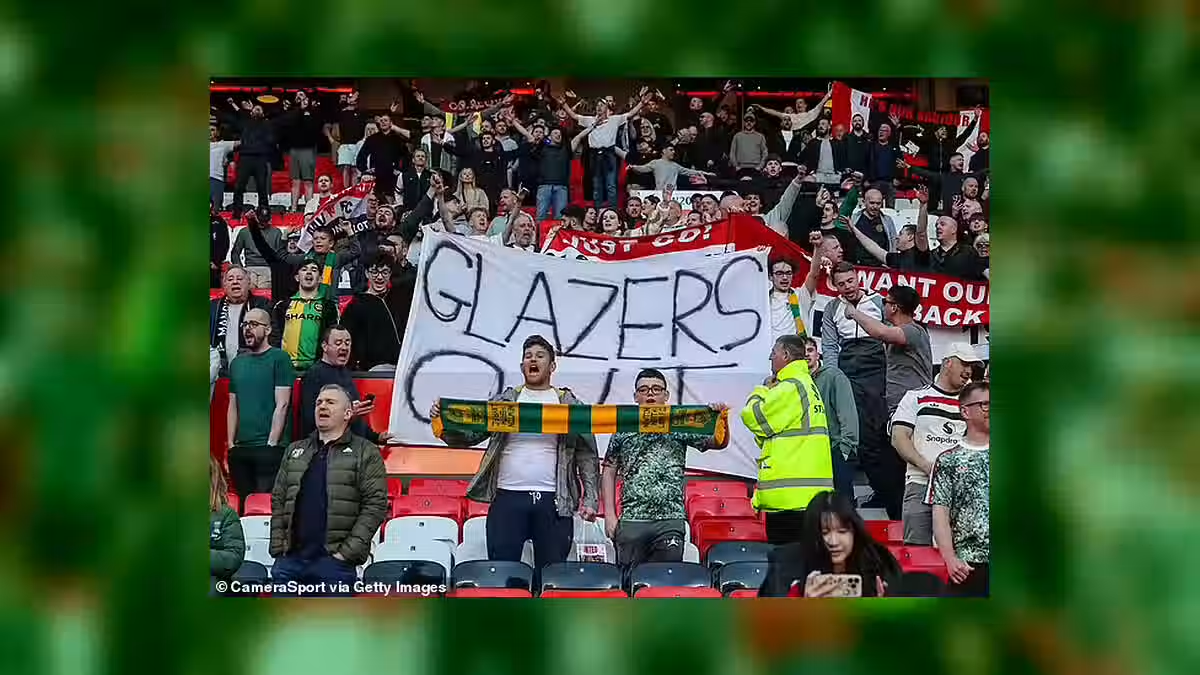
The final day of the Premier League season has become a battleground—not just on the pitch, but in the stands. Manchester United fans have launched a targeted boycott of alcohol purchases at Old Trafford ahead of Sunday’s clash with Aston Villa, a protest tactic designed to hit the club’s bottom line while sending a clear message to the Glazer family and their executive leadership.
The campaign, organized by key supporters’ groups, urges fans to avoid buying drinks inside the stadium—a move that could significantly reduce revenue for the club’s hospitality operations. With Old Trafford’s commercial operations already under scrutiny following years of financial instability, the boycott targets the Glazers’ control over matchday income, a critical revenue stream. The protest follows months of escalating dissent, including public demonstrations and social media campaigns, all centered on the ownership’s perceived detachment from the club’s on-field struggles and financial mismanagement.
The timing is deliberate. The final-day fixture against Aston Villa carries added weight as United’s season hangs in the balance, but the real focus remains off the pitch. Supporters have long criticized the Glazers for prioritizing shareholder returns over investment in the squad or infrastructure, a narrative that has only intensified as United’s commercial performance lags behind rivals. The alcohol boycott, while seemingly small in scale, amplifies the financial pressure by directly impacting the club’s ability to generate matchday revenue—a key metric in the Glazers’ annual financial reports.
Behind the scenes, the protest also targets Manchester United’s executive leadership, including chief executive Ed Woodward and sporting director Ed Woodward’s predecessor, David Ratcliffe. Ratcliffe’s tenure has been marked by high-profile departures and a failure to deliver on transfer ambitions, further fueling fan frustration. The boycott, while non-violent, underscores the growing divide between ownership and supporters, who see the Glazers’ continued control as a barrier to meaningful reform. With the Premier League season concluding, the protest sends a final, pointed message: the club’s future cannot be decided by shareholders alone.



