

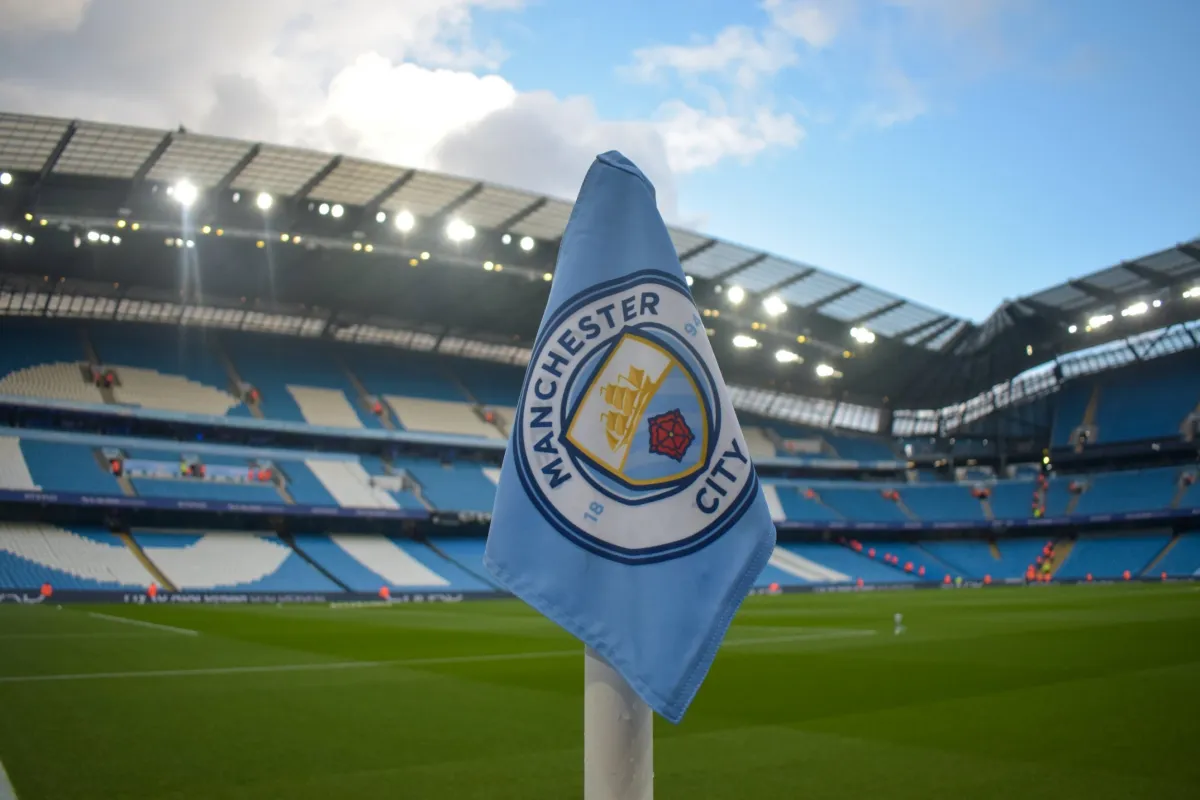
The Premier League’s verdict on Manchester City’s financial practices has delivered a seismic blow to the club’s nine-season reign of dominance, casting a long shadow over titles won between 2009 and 2018. The independent commission’s ruling—confirmed after a four-year investigation—found City guilty of all charges related to breaches of the league’s financial regulations during that period. While the specifics of the sanctions remain under review, the very act of this decision marks a turning point in football’s history, one that has already sparked outrage among former players and fans alike.
Paul Scholes, a former Manchester United icon, has been among the most vocal critics, arguing that the titles won during this period should be ‘wiped straightaway.’ His stance reflects a broader sentiment within football that the competitive integrity of those campaigns may have been compromised. The Premier League’s own acknowledgment of the case’s significance—described as the most consequential in its history—underscores the gravity of the situation. Richard Masters, the league’s CEO, has emphasized the need for swift resolution, but the path forward remains uncertain. ‘We are committed to moving swiftly through the remainder of the process,’ he stated, though the details of what that process entails—particularly the potential stripping of trophies or financial penalties—have yet to be clarified.
The fallout extends beyond the immediate financial and competitive implications. For Manchester City, the verdict forces a reckoning with their own narrative of success, one that has long been intertwined with the club’s financial model under Sheikh Mansour’s ownership. The ruling does not yet address the broader question of whether the titles won during this period should stand, but the very existence of the investigation has already tarnished the legacy of those campaigns. Former players like Scholes are not alone in their frustration; the broader footballing community is grappling with the implications of a club that, for nearly a decade, operated in a legal gray area while amassing an unprecedented trophy haul.
What remains unclear is how Manchester City will navigate this crisis. The club has maintained a measured response, emphasizing that further comment will await the conclusion of ongoing proceedings. Yet the anger being felt across football—from fans to rivals—is palpable. The Premier League’s decision to pursue this case with such vigor signals a determination to restore trust in the league’s financial framework, but the emotional and competitive fallout will linger. For now, the focus is on the process ahead, though the very act of this ruling has already reshaped the conversation around Manchester City’s place in football’s history.



