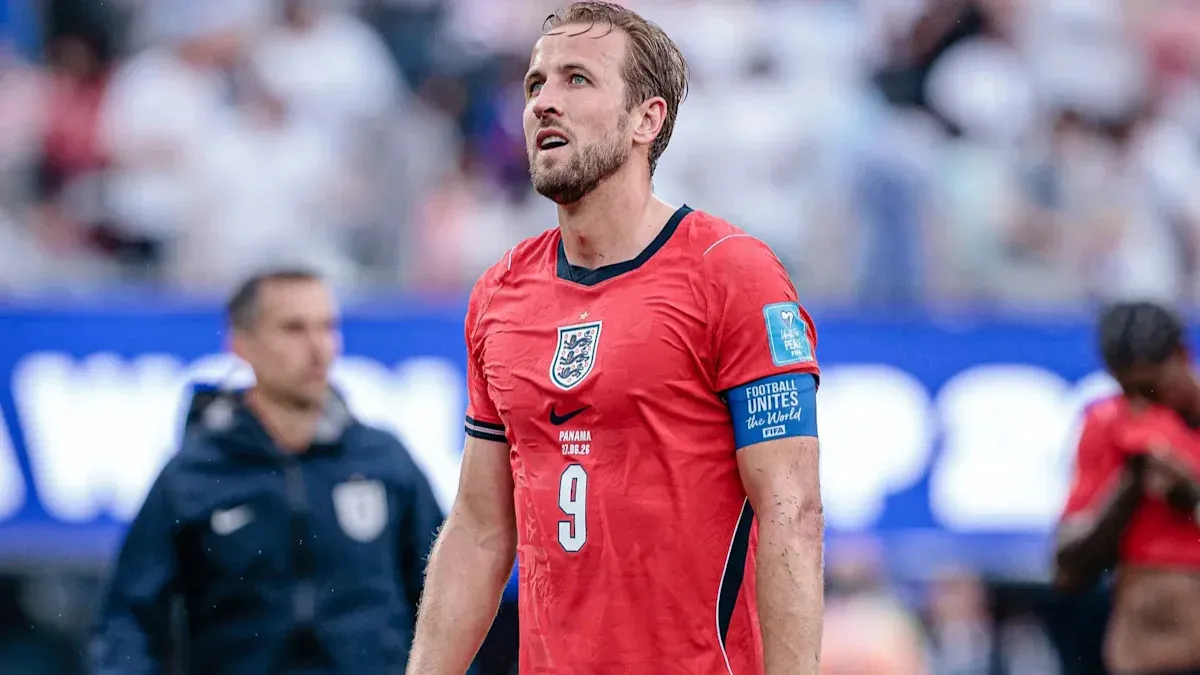
Harry Kane’s 2025-26 campaign has entered the annals of Bundesliga history as the most prolific single season by a striker in the modern era. With 73 goals—61 in 51 games for Bayern Munich across all competitions—Kane didn’t just dominate the league; he redefined the pace at which records could be broken. His 100th Bundesliga goal came in just 98 appearances, a feat that outstrips even the most storied strikers in the competition’s history. The numbers are staggering: 152 goals in 154 competitive matches for Bayern since joining in 2023, a near-perfect conversion rate that has left defenders and tacticians scrambling to contain him. Yet, as the 2026 Ballon d’Or shortlist solidifies, Kane’s case is no longer a one-sided narrative. Lamine Yamal’s emergence as Barcelona’s La Liga-winning playmaker and Kylian Mbappé’s resurgence at Real Madrid have injected fresh urgency into the conversation, forcing voters to weigh individual brilliance against collective impact.
Yamal’s role in Barcelona’s double—La Liga title and Champions League triumph—has elevated his profile beyond that of a prodigious talent. In just seven La Liga matches this season, he has scored seven goals and delivered four assists, including a decisive strike in the Champions League opener against Feyenoord. His recognition as La Liga’s Player of the Season underscores a season where he wasn’t just a key contributor but the linchpin of a team’s success. Mbappé, meanwhile, has returned to Real Madrid with the fire of a man determined to reclaim his former dominance. Eight goals in eight appearances across competitions—including a clinical strike in the Champions League—have reignited debates about his ability to sustain elite form. The contrast between the two is deliberate: Mbappé’s numbers are sharper, while Yamal’s influence is more expansive, a distinction that could sway voters prioritizing team success over individual statistics.
Kane’s path to the Ballon d’Or has always been built on sheer volume, but the 2026 edition demands more than just goals. It requires a narrative that bridges individual achievement with tactical mastery and consistency. His 73-goal haul is undeniable, but the question now is whether his Bayern side can replicate the defensive solidity that made his 2025-26 campaign so efficient. Yamal’s case, by contrast, is rooted in versatility and leadership—qualities that resonate with voters who value a player’s ability to elevate entire squads. Mbappé’s return to Real Madrid adds another layer: his ability to perform at the highest level in Europe’s most demanding league, even after a World Cup-winning campaign. The trio’s profiles couldn’t be more distinct, yet their proximity in the rankings has turned the Ballon d’Or into a three-way chess match, where every assist, every defensive stand, and every late-season surge could shift the balance.
What remains clear is that the 2026 Ballon d’Or will be decided by more than just goals. It will be shaped by the ability of each player to adapt to the demands of their respective leagues, the influence they exert on their teams, and the intangibles that set them apart in a crowded field. Kane’s dominance is undeniable, but the competition has never been fiercer. Yamal’s rise and Mbappé’s resurgence have ensured that the conversation will extend beyond the striker’s box, forcing voters to consider the broader impact of each candidate. As the final stretch of the 2026 campaign unfolds, the stage is set for a debate that could redefine the Ballon d’Or’s future—one where individual brilliance is measured not just by statistics, but by the legacy of how those numbers were earned.