

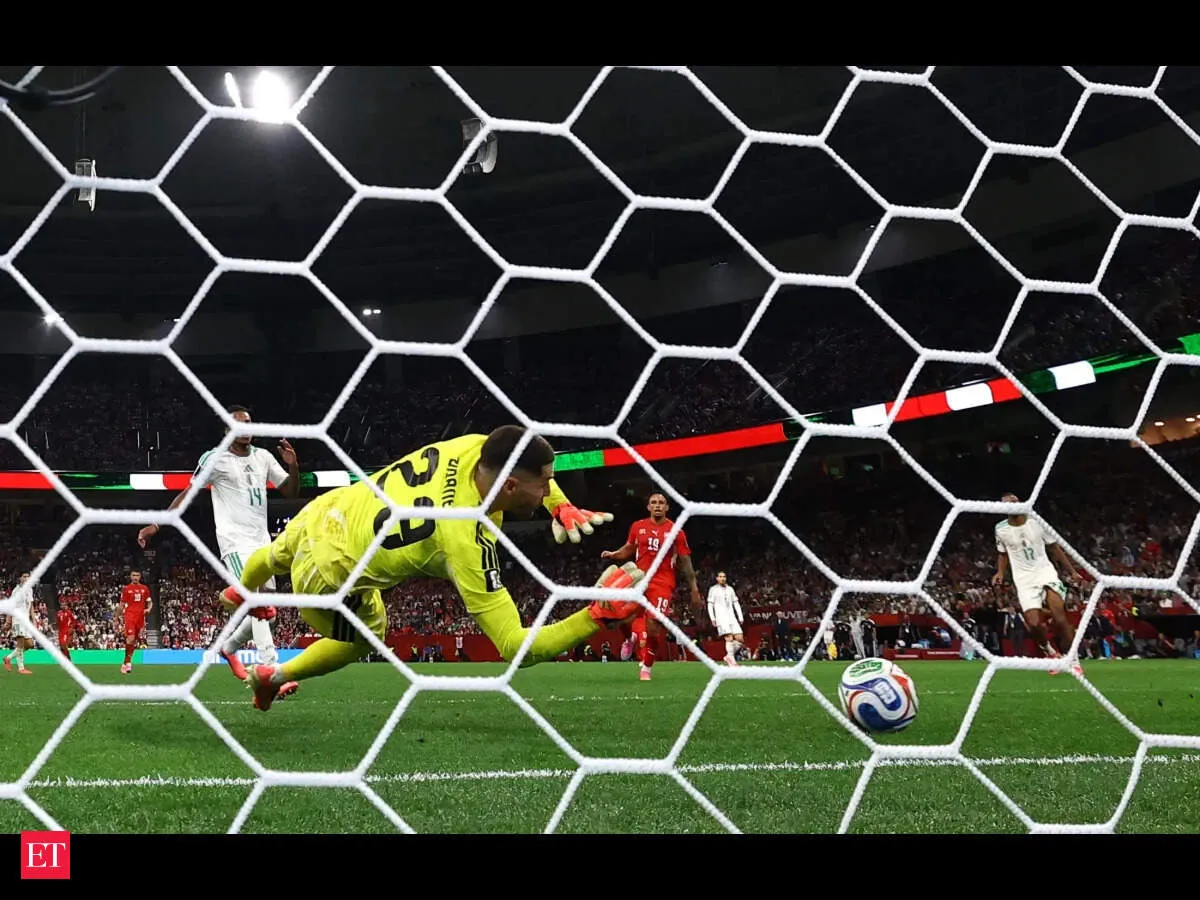
The FIFA World Cup 2026’s late kick-off times have delivered a double blow to television advertising in India, where the sport has long been a linchpin of prime-time engagement. New data reveals a 14% decline in TV ad volumes, a stark contrast to the tournament’s usual ability to anchor viewership across screens. The shift isn’t just about timing—it’s a symptom of broader challenges: brands are pulling back from ‘toxic media channels,’ consumer attention is fracturing, and even the most established sports properties must now compete for eyeballs against an ever-expanding digital ecosystem.
India’s advertising industry has long been a powerhouse for global sports rights, but the World Cup’s scheduling—often starting as late as 10:00 PM local time—has disrupted the traditional flow of linear TV consumption. While digital and linear platforms collectively reached over 100 million viewers, the late slots have forced brands to recalibrate their media strategies. Industrialist Rahul Bajaj’s recent decision to withdraw advertisements from ‘toxic media channels’ underscores a growing wariness among advertisers, who now prioritise not just reach but the quality of the environment.
The issue extends beyond scheduling. Brands are increasingly recognising that 50% of advertising effectiveness hinges on creative quality—not just the volume of impressions. In a market where fragmented attention spans dominate, a late-night World Cup match may not deliver the same impact as a tightly crafted digital campaign. The shift mirrors broader industry trends, where unified measurement across screens is becoming non-negotiable.
For India’s football ecosystem, the implications are clear: the game’s traditional advertising mojo is under pressure. While the 2026 tournament’s expanded format promises greater local relevance, the late kick-offs risk alienating the very audiences that have sustained the sport’s commercial appeal. The decline in ad volumes isn’t just a blip—it’s a warning. If FIFA and its partners don’t address the scheduling paradox, the World Cup’s ability to command premium advertising rates in India could erode further, leaving the sport to scramble for new ways to justify its value in an increasingly discerning market.



