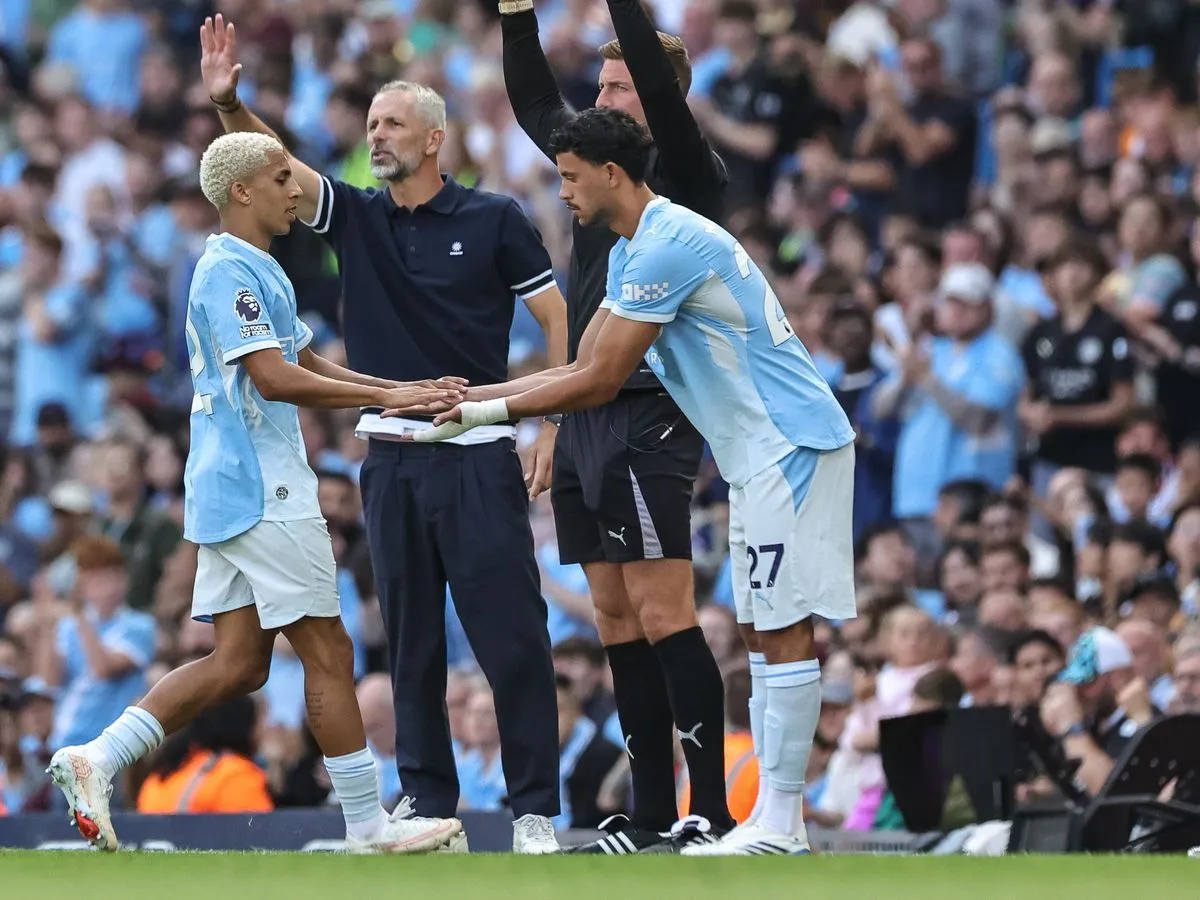
Enzo Maresca’s first summer in charge at Manchester City has already exposed a critical difference from his predecessor’s approach: while Pep Guardiola’s teams thrived on strategic downtime—often spent basking in international breaks—Maresca’s reality is far more grounded. With no holiday in sight for the manager himself, his players’ recovery will be dictated by school schedules, international commitments, and a calendar that skips straight from the Etihad to Hong Kong. This isn’t just a logistical puzzle; it’s a tactical reset that could redefine how City’s squad evolves over the next two months.
The immediate challenge is clear: players who competed in the World Cup will return in phases, with those who advanced furthest getting extra time off before rejoining the fold. That means Maresca’s first full squad assessment won’t come until August, when City’s pre-season tour of Asia begins. No domestic or Champions League warm-up fixtures lie between now and then—a gap that could force fringe players and academy prospects into extended roles. The Asia leg, traditionally a proving ground for younger talent, may now serve as a critical audition for those waiting in the wings. By the time Arsenal visit Cardiff in September, the first team’s composition could look markedly different, with veterans still nursing injuries or fatigue and newer faces stepping up.
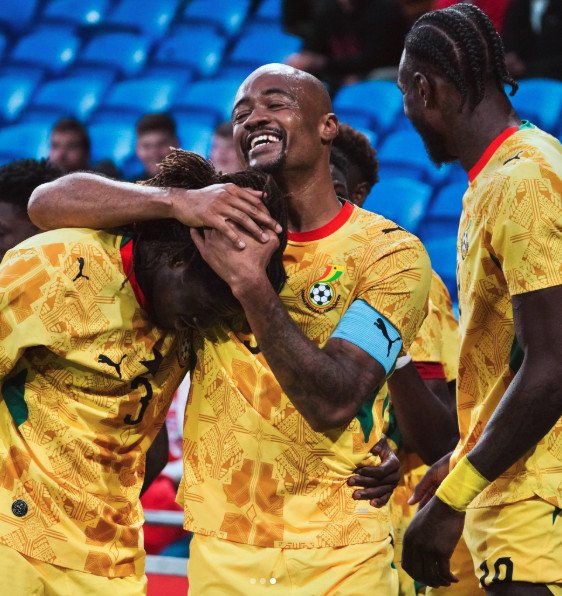
Off the pitch, the international break’s absence complicates another critical aspect of Maresca’s project: player development. Antoine Semenyo’s recent absence from Ghana’s AFCON qualifiers—due to a lingering leg injury—highlighted the delicate balance between club and country demands. Maresca’s public reflection on the situation underscored the practical realities: would Semenyo’s recovery justify his presence in both City’s and Ghana’s plans, or would his absence force a tougher decision? The manager’s words revealed a deeper truth about modern football’s demands—where even stars must navigate the fine line between personal health and professional obligation. Semenyo’s dual role as a leader and a player was tested, and his return to training after the World Cup will be watched closely to see if he can bridge the gap.
The tactical implications extend beyond individual fitness. Maresca’s approach to squad rotation could accelerate the emergence of players like Semenyo, whose contributions—from crosses to assists—have already been pivotal. But with no mid-season transfer window to plug gaps, the pressure falls on existing talent to adapt. The absence of warm-up games means City will rely on pre-season to refine their shape, a process that could be disrupted if key figures remain unavailable. Meanwhile, the transfer market’s dynamics—where players like Mateus Fernandes and Alex Scott are now priced at £80 million—add another layer of complexity. Without the luxury of international breaks to assess new signings, Maresca’s summer will be defined by urgency: proving that City’s project can thrive even when the calendar isn’t on their side.
For now, the focus remains on the immediate: the Liverpool game on Sunday. Maresca’s plan to reintegrate players gradually suggests a cautious optimism, but the path forward is far from straightforward. The Etihad’s summer will be less about relaxation and more about resilience—where every training session, every tactical drill, and every fringe player’s opportunity counts. If Maresca can navigate this without the traditional summer lull, he’ll have rewritten one of football’s oldest rules: that the best teams always find a way to win, even when the world isn’t waiting for them.