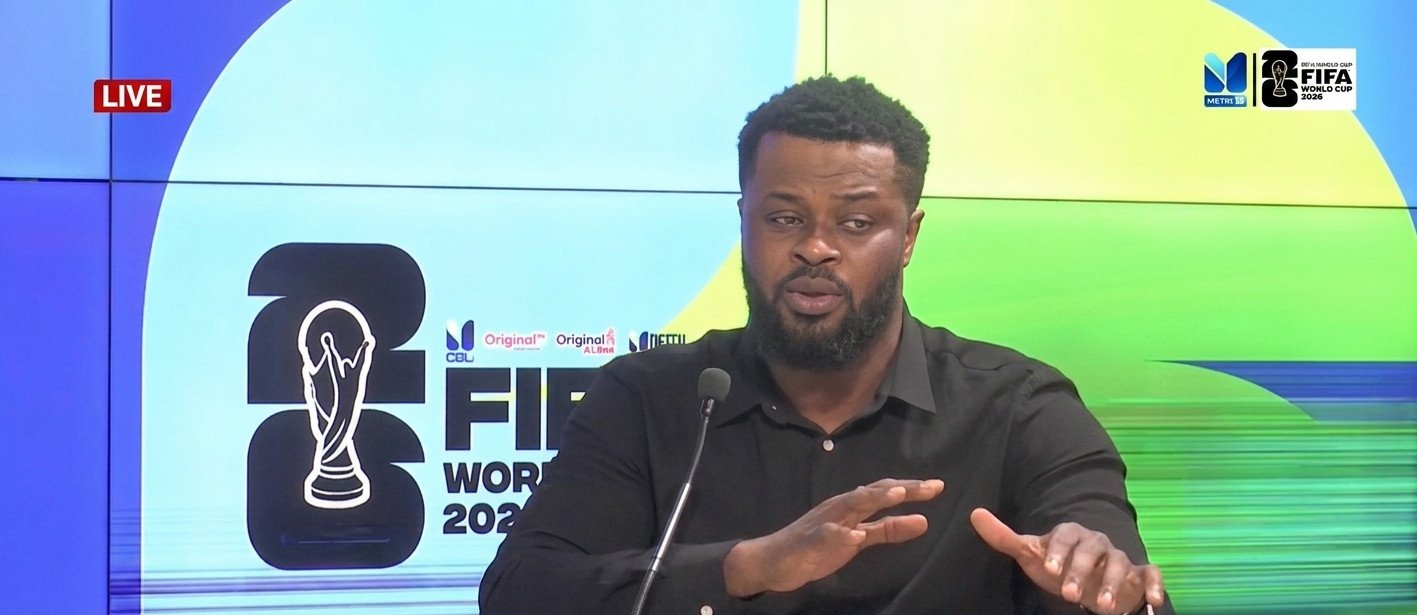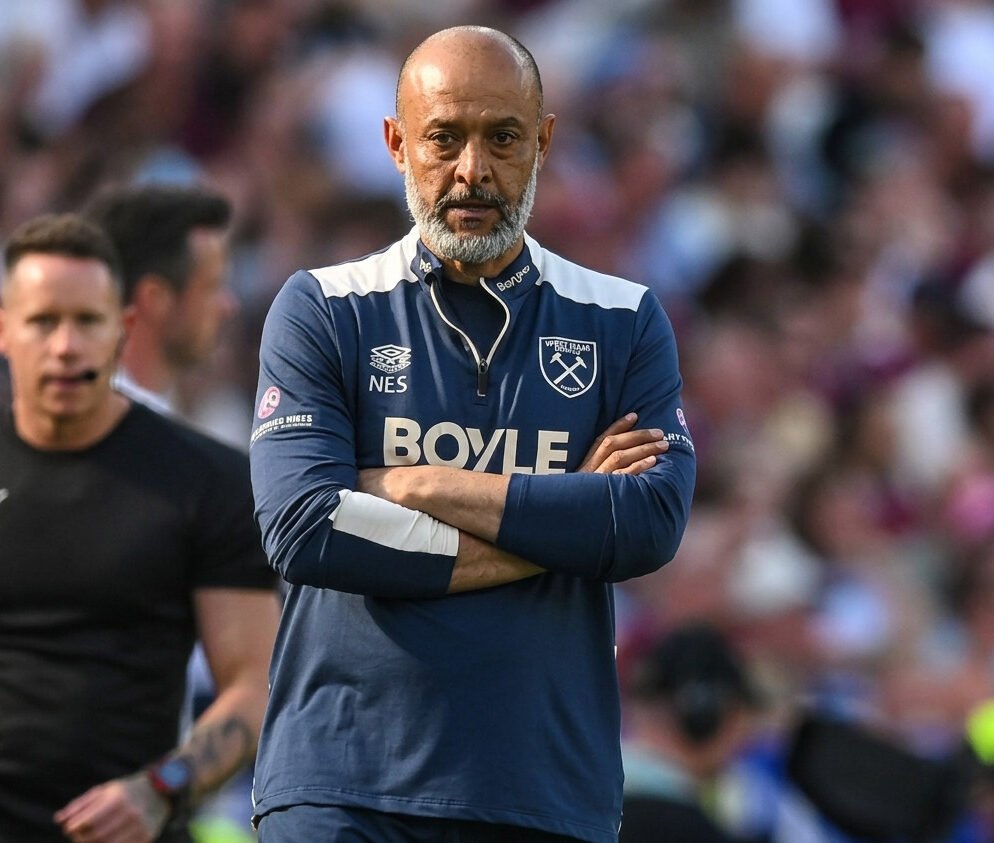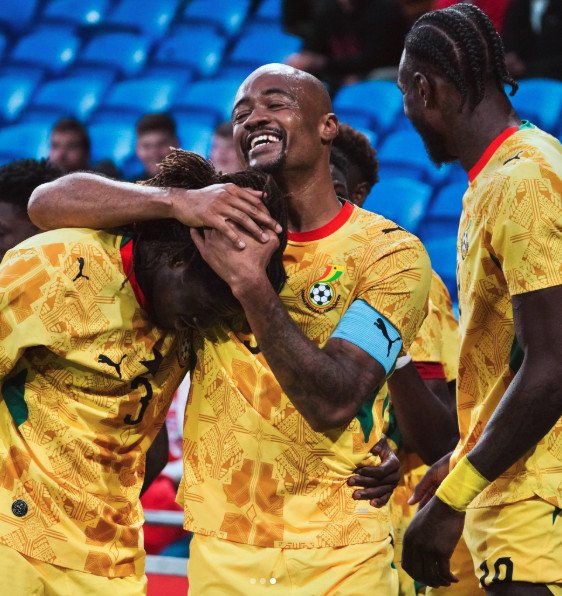
England’s World Cup campaign ended in Atlanta with a finality that felt inevitable from the moment Argentina’s late goals sealed their semi-final victory. The Three Lions, who had defied expectations to reach their first World Cup semi-final since 1966, were undone not by a lack of quality, but by a collapse in composure—a failure of mentality that Rob Earnshaw, one of football’s most astute tactical observers, has described as damning.
Earnshaw’s assessment cuts to the heart of England’s predicament: they went as far as they could. The expectation that they might reach the quarterfinals was always a low bar, but the moment Argentina entered the draw, the narrative shifted. The South Americans were never going to be an easy opponent, and England’s 1-0 lead—hard-won through Anthony Gordon’s 55th-minute strike—was always fragile. What followed was a microcosm of England’s historical struggles in high-pressure moments: a team that, once ahead, retreated into defensive inertia, allowing Argentina’s superior late-game execution to dictate the outcome. Earnshaw’s critique is direct: the reasons for the defeat were not about individual performances or tactical missteps in isolation, but about a collective failure to adapt when it mattered most.
Thomas Tuchel’s post-match analysis has already framed the defeat as a product of England’s ‘DNA’—a reference to the ingrained defensive tendencies that have plagued the national team for decades. Earnshaw’s verdict aligns with this, but with a sharper edge: the issue wasn’t just defensive positioning or substitution choices (though both were scrutinized). It was the absence of a plan for the moments after the first goal. Argentina’s late goals, scored within seven minutes of each other, were not acts of brilliance in isolation; they were the result of England’s inability to dictate tempo, to press with urgency, or to exploit their numerical superiority when it counted. The team that had dominated possession and created chances in the first half became passive in the second, allowing Argentina’s counterattacks to flourish.
The healing process now begins with a brutal honesty about what went wrong. Tuchel’s commitment to the role through Euro 2028 is unwavering, but the question remains: can England’s players and coaching staff break free from the patterns that have haunted them in major tournaments? The third-place play-off against France is not a consolation match—it is a final opportunity to salvage something from this World Cup, but the real work lies in the winter months ahead. The challenge will be to identify whether the issues are tactical, psychological, or both, and whether the squad can be reshaped to avoid repeating the same mistakes. For now, the verdict is clear: England’s World Cup exit was not a surprise, but it was a defeat that exposed vulnerabilities too deep to ignore.
The legacy of this campaign will be measured not just by the third-place medal, but by how quickly England can turn this defeat into a catalyst for change. The Three Lions have always been a team of individual talent, but their inability to translate that into sustained success in knockout football remains their defining flaw. The path forward is uncertain, but the urgency is undeniable. The World Cup semi-final was England’s highest achievement in 58 years—it was also their most painful reminder of how far they still have to go.