

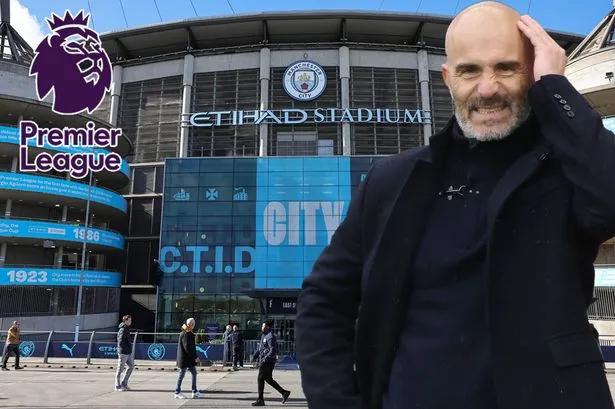
The fallout from Manchester City’s financial misconduct verdict has reached a critical juncture, with the Premier League now weighing four potential punishments that could redefine the club’s legacy and the very structure of English football. An independent commission’s ruling—guilty on all but one of 115 charges spanning 2009 to 2018—has exposed a nine-year campaign of inflated revenue, sham contracts, and secret payments totaling over £830 million. While the stripping of titles remains unlikely, the specter of relegation, crippling fines, and a points deduction severe enough to threaten City’s Premier League status looms large. The Premier League’s ability to enforce these measures hinges on one crucial factor: the cooperation of the English Football League (EFL). Without it, the full force of the punishment may never materialize.
The financial irregularities detailed in the commission’s report are staggering in their scale and audacity. City was found to have manipulated accounts to conceal true expenditures, used ‘sham’ contracts to disguise funding, and made undisclosed payments to a redacted employee beyond their primary contract. These breaches were not isolated incidents but a systematic effort to circumvent financial regulations, a practice that has left the club’s financial integrity under unprecedented scrutiny. The appeal process, launched by City, must conclude within 12 weeks, meaning a final verdict could arrive just in time for the holiday season—a timing that could not be more politically charged. Meanwhile, the club’s siege mentality has intensified, with players like Manuel Akanji expressing concern over the potential erasure of their achievements, while former staff have delivered unapologetic defiance, warning the Premier League against any attempt to reclaim medals or trophies.
The emotional and tactical fallout is already palpable. On the pitch, City’s players—including Erling Haaland and Kyle Walker—have been reassured by the club’s claim of ‘irrefutable evidence’ to overturn the verdict, though the road to appeal success remains fraught with uncertainty. Off the pitch, the political dimensions of the case have sharpened, with Manchester’s Mayor, Andy Burnham, initially drawing criticism for his measured response before Downing Street clarified his stance: the rules apply to all, and the process must be allowed to run its course. The Premier League’s potential punishments—ranging from unlimited fines to a points deduction that could push City into the EFL—demand a level of coordination between leagues that has not been tested since the 2007 financial fair play era. If the EFL refuses to cooperate, the Premier League’s hands may be tied, leaving City’s punishment less severe than intended.
The stakes could not be higher. A significant points deduction—enough to threaten City’s Premier League status—would not only disrupt one of English football’s most dominant clubs but also send shockwaves through the league’s financial model. The EFL’s role in this equation is pivotal; without its agreement, the Premier League’s authority to enforce relegation or severe penalties could be undermined. For a club that has spent a decade dominating under Pep Guardiola’s stewardship, the prospect of financial ruin or demotion is a bitter pill. The appeal process, the EFL’s response, and the Premier League’s final decision will collectively determine whether Manchester City’s future is one of redemption or reckoning. One thing is certain: the next 12 weeks will decide whether English football’s most powerful club can survive its own financial excesses—or if the consequences will be irreversible.



