

Manchester United’s season has unraveled with a speed that feels almost deliberate. One win from six games. A League Cup exit at the hands of Brighton. And now, a manager under siege—Michael Carrick’s tenure at Old Trafford is being tested like never before. The pressure isn’t just tactical; it’s existential. United’s boardroom has been accused of neglect, their transfer strategy exposed as woefully inadequate, and their defense—once a bastion—now a liability. The 2-0 defeat to Atletico Madrid on Tuesday wasn’t just a result; it was a symptom of a club in freefall. Even Lisandro Martínez, the defensive rock, has turned on his employers, criticizing the lack of investment in midfielders—a position United failed to reinforce in the transfer window. The message is clear: this isn’t just a bad season. It’s a crisis of confidence, one that Carrick will carry into the Leeds game on Sunday, where the weight of history will press down harder than ever.
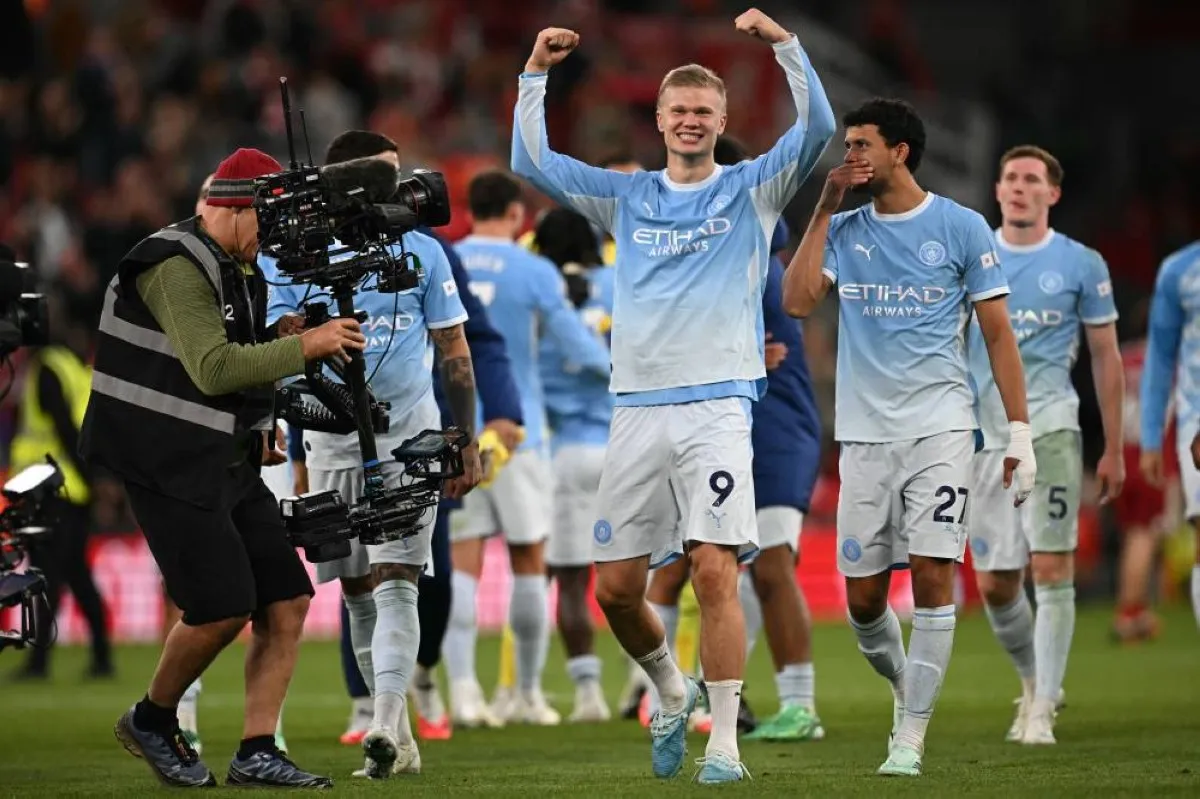
Across the M60, Manchester City’s perfect Premier League start is being overshadowed by a storm of their own making. The club’s financial irregularities—reportedly involving breaches of Premier League financial rules—have cast a long shadow over their dominance. While United drown in their own incompetence, City’s future is now a question mark. The uncertainty isn’t just about points; it’s about whether their title defense will even be allowed to run its course. Brighton, just two points behind Arsenal, could be the biggest beneficiaries if City face sanctions. Their Champions League push, already a realistic ambition, might suddenly become a certainty. The Premier League’s financial watchdog has been silent, but the air is thick with speculation. For a club that has spent years rewriting the rules of English football, the prospect of being penalized for doing so is a bitter pill.
The contrast between the two Manchester clubs couldn’t be sharper. United’s collapse is a study in mismanagement—poor recruitment, a lack of vision, and a front office that seems incapable of adapting. City, meanwhile, have built an empire on financial audacity, only to now face the consequences of their own success. The Premier League’s title race is no longer a straightforward battle between traditional giants and underdogs. It’s a test of resilience, of whether institutions can survive their own flaws. For United, the question is whether they can dig themselves out of the hole before the season becomes a memory of what might have been. For City, the stakes are even higher: can they maintain their invincibility in the face of their own making?
The fallout from these two stories will ripple through the league. Leeds, United’s opponents on Sunday, will relish the chance to exploit their rivals’ weaknesses. Brighton, meanwhile, could be poised for their best-ever Premier League campaign if City’s title run is derailed. The Premier League’s financial rules were designed to prevent exactly this kind of scenario—clubs outspending their means, building empires on shaky foundations. Yet here we are, with the consequences playing out in real time. The game isn’t just about tactics or individual brilliance anymore. It’s about survival, about whether clubs can navigate the storm they’ve created—or if they’ll be swept away by it.



