

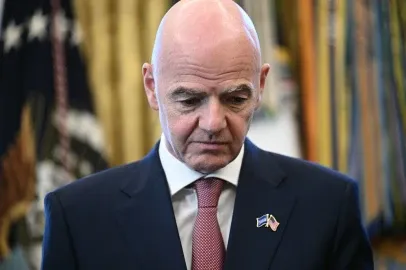
Gianni Infantino’s apology to FIFA’s ruling council on Thursday was met with skepticism, not relief. The Swiss president, who has faced relentless criticism over his secretive FIFA Forward Enterprise (FFE) proposal to open the World Cup to private investors, acknowledged ‘mistakes’ in communication—but refused to provide the detailed answers demanded by his most vocal critics. The result was a meeting described as ‘no holds barred,’ where European delegates, led by Bernd Neuendorf of the DFB and Debbie Hewitt of the FA, left with unanswered questions and a growing sense that Infantino’s leadership is no longer tenable.
The FFE plan, announced in July, was immediately met with opposition from UEFA, AFC, and CONCACAF, who saw it as a direct threat to the autonomy of football’s governing bodies. Infantino’s subsequent apology—delivered in a video statement—focused on procedural failures, not the substance of the proposal itself. ‘I apologized for the mistakes in relation to the consultation process,’ he said, but the council’s European members were not satisfied. Neuendorf, a member of the 37-person FIFA Council, stated bluntly that ‘no satisfactory answers were provided’ during the meeting. Hewitt, the FA’s chief and a FIFA vice president, was even more direct: ‘The man has to answer those questions. If he doesn’t, he is not fit to be FIFA president.’
The tension stems from a fundamental breakdown in trust. Infantino’s refusal to disclose key details of the FFE papers—despite repeated requests—has fueled accusations of opacity and a lack of accountability. European delegates, who hold significant voting power within FIFA, have made it clear that the situation has reached a breaking point. The absence of clarity on how the World Cup’s commercial future would be structured, or how member associations would be compensated, has left them questioning whether Infantino’s vision aligns with the collective interests of world football.
What remains unclear is whether this meeting marks the beginning of the end for Infantino’s presidency. The FA chief’s warning—that his refusal to engage with critical questions renders him unfit for office—resonates with a broader sentiment among UEFA’s leadership. The council’s next steps will be closely watched, as the stakes could not be higher. If no resolution is found, the fallout could redefine FIFA’s governance for years to come, with the potential for a leadership transition that has been long overdue.



