

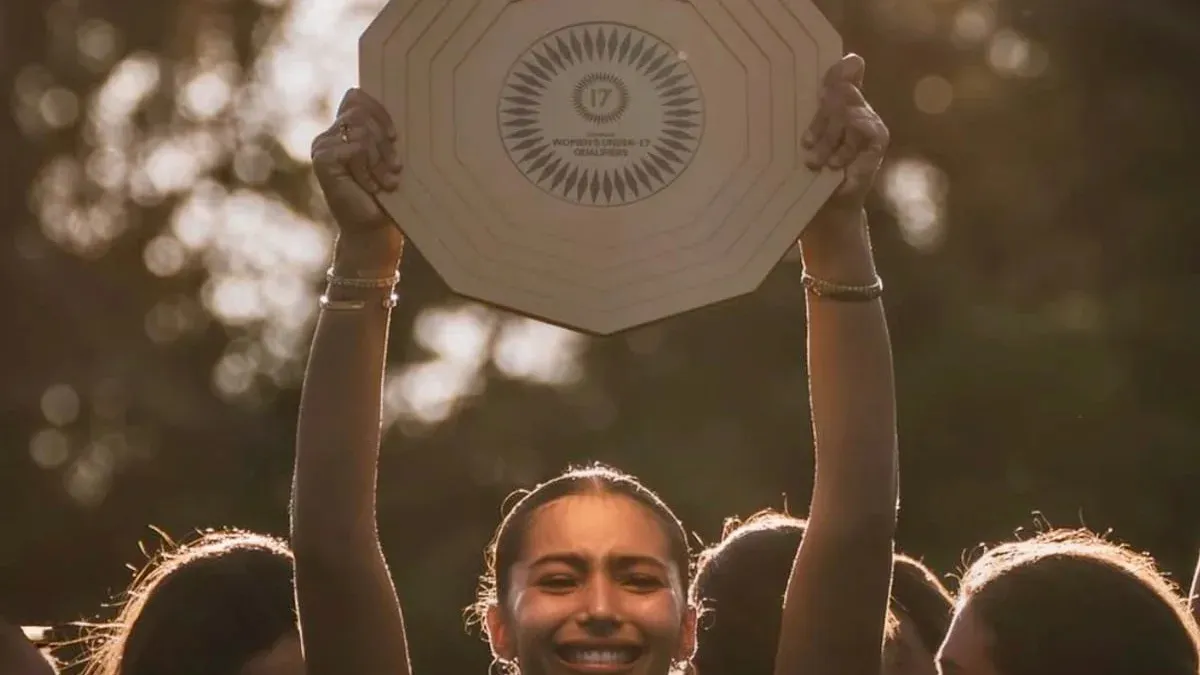
Puerto Rico’s U-17 women’s national team has written its name into the annals of football history by qualifying for the FIFA U-17 Women’s World Cup in Morocco. The island’s first-ever appearance at the tournament begins this week in Rabat, where Las Boricuas will face DPR Korea in a match that carries immense symbolic weight. This is not merely a debut—it is a statement of growth, determination, and the relentless pursuit of a dream that has eluded Puerto Rico’s footballing generations for decades.
The path to this moment was paved by a display of tactical discipline and mental fortitude. In a recent qualifier against the United States, Puerto Rico’s defense anchored by goalkeeper Victoria Moore and midfielders like Zoe Melia and Camila Adame held firm against a USA side that had been patient and methodical in breaking down lesser opponents. The Puerto Rican backline, led by the captain’s leadership, absorbed pressure with composure, while midfielders like Gianna Visone and Sandra O’Neil dictated tempo with precision. The absence of early goals was no accident—it was the result of a defensive structure that refused to waver, even as the USA’s forward line, including Maddie DiMaria and Mak Whitham, tested their resolve. When Puerto Rico did score, it was through calculated moments: Maddie DiMaria’s penalty and Mia Corona’s late strike sealed a result that secured their place in Morocco, proving that the team’s identity is built on resilience rather than reliance on individual brilliance.
The tournament in Morocco will demand even greater adaptability. Puerto Rico’s opening fixture against DPR Korea is a test of nerves and execution. The North Koreans, a perennial force in women’s football, will bring a high-tempo, possession-based approach that could overwhelm a side still adjusting to the physical and tactical demands of elite competition. Puerto Rico’s midfield, with players like Giselle Falcon and Aleeya Olmo, will need to balance defensive solidity with offensive creativity—something they demonstrated in spades against the USA but must now replicate against a team with far more experience at this level. The absence of key players like Tatum Quinones and Michaela Poidomani from the starting lineup in the qualifier suggests a tactical rotation designed to preserve energy for the World Cup, but it also raises questions about depth. If Puerto Rico is to progress beyond the group stage, they will need to find consistency in their attacking output, a challenge given the USA’s ability to neutralize their threats with disciplined pressing.
Beyond the immediate matchups, Puerto Rico’s campaign carries broader significance for Concacaf’s development. As one of four teams from the region competing in Morocco—joining Nigeria, Mexico, and the United States—Puerto Rico’s presence underscores the continent’s growing influence in women’s football. The Flamingos of Nigeria, for instance, arrive with a mandate to dominate, while Poland’s Zofia Burzan, a midfield maestro, will add another layer of tactical complexity to Group B. Puerto Rico’s journey, however, is uniquely their own: a narrative of perseverance against the odds. Their ability to compete with teams of vastly different footballing cultures will not only determine their individual success but also shape the perception of women’s football in the Caribbean. For now, the focus is on the first step: surviving the opening match against DPR Korea and proving that Las Boricuas are more than just a story waiting to be told—they are a team ready to make their mark.



