

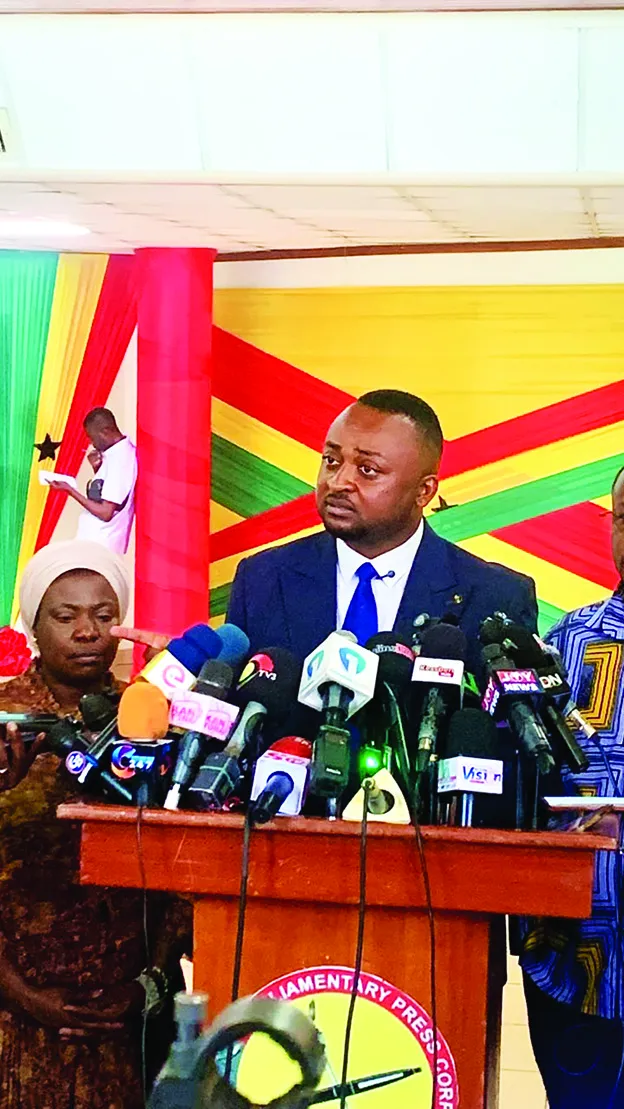
The political storm over Ghana’s handling of World Cup visa processes has reached a breaking point, with the Minority Caucus in Parliament escalating its demands for accountability. In a formal call to President John Dramani Mahama, the caucus has demanded the immediate removal of Sports and Recreation Minister Kofi Adams and the Chief Executive Officer of the Ghana Tourism Authority (GTA), arguing that their continued tenure undermines public trust amid persistent allegations of irregularities in visa facilitation.
The allegations center on claims that Adams’ ministry and the GTA failed to adequately oversee the visa process for foreign participants in the World Cup, raising questions about institutional competence and potential fraud. Minority Spokesperson Vincent Ekow Assafuah has led the charge, framing the issue as a matter of national integrity. His intervention follows months of public scrutiny, with media outlets globally amplifying concerns over the transparency—or lack thereof—in how visas were processed.
The demand for Adams’ dismissal is not merely symbolic. The Minister’s role in overseeing Ghana’s sporting infrastructure places him at the heart of the controversy, particularly as the country prepares for high-profile sporting events. The GTA CEO’s inclusion in the call underscores the interconnected nature of the scandal, as tourism and sports are often treated as complementary pillars of national prestige. The Minority Caucus has framed the situation as a test of Mahama’s commitment to governance, insisting that no further delay in action is acceptable.
Beyond the immediate political fallout, the crisis reflects broader challenges in Ghana’s administrative systems. The World Cup visa process, in particular, has become a litmus test for how the country manages international engagements—especially those tied to football, a sport that carries immense cultural and economic weight. The opposition’s insistence on swift action signals that the issue has transcended bureaucratic inefficiency, entering the realm of perceived malfeasance. Whether Mahama acts decisively remains the defining question, as the pressure mounts from all corners of the political spectrum.



