

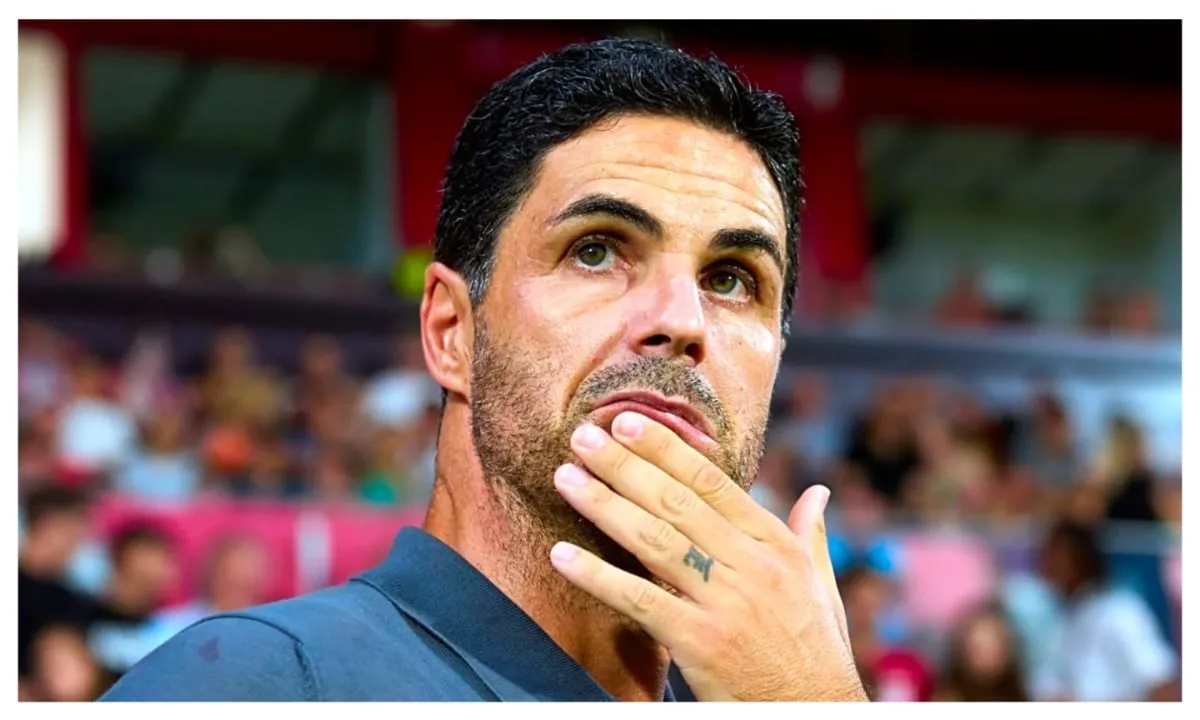
Mikel Arteta’s unflinching response to Manchester City’s Premier League financial verdict has delivered one of the most striking statements of the scandal’s unfolding fallout. When directly asked whether his conscience remained clear after three-and-a-half years as Pep Guardiola’s assistant—two of which fell within the nine seasons now deemed to have violated financial regulations—Arteta answered simply: ‘Yes.’ The declaration, delivered in his first major interview since the ruling, marks a deliberate departure from the silence that has defined his approach to the case. While rivals and pundits have dissected the implications of City’s ‘sham’ deals and secret funding, Arteta’s refusal to elaborate—even on the process itself—suggests a calculated strategy to avoid further scrutiny.
The timing of Arteta’s remarks is significant. His tenure at City spanned 2016 to 2019, a period that included the club’s domestic treble-winning seasons under Guardiola. Yet the Premier League’s independent commission found that City’s financial misconduct extended from 2009 to 2018, encompassing the entirety of Arteta’s time as a senior figure in the Etihad’s backroom. The verdict, which accused the club of disguising over £830 million in earnings through commercial partnerships, has already prompted City to launch an appeal. Arteta’s insistence on ‘respecting the process’—a phrase repeated verbatim—underscores his determination to avoid premature judgment, even as the scandal threatens to taint the legacy of the era he helped shape. His refusal to confirm whether he has spoken to Guardiola since the ruling further isolates him from the narrative, leaving the public with only his unyielding assertion of innocence.
The broader implications of Arteta’s stance are impossible to ignore. As Arsenal’s manager, he now sits in a unique position: a former City employee who has since become one of the league’s most formidable rivals. His club, which has challenged City’s dominance in recent seasons, has been the most consistent challenger to the title since his arrival in 2019. Yet Arteta’s refusal to engage with the emotional and tactical fallout of the verdict—such as whether the Premier League’s reputation has been damaged—highlights a broader reluctance among those directly involved to confront the scandal’s moral weight. When pressed on whether the league remains the ‘best in the world’ despite the ruling, Arteta reiterated his focus on the ongoing appeal, a response that reads as both pragmatic and evasive.
What remains unclear is whether Arteta’s confidence will hold under further scrutiny. His refusal to answer questions about his memories of the Etihad era—dismissing them as ‘tainted’ without elaboration—suggests a defensive posture. The fact that he has not sought to distance himself from Guardiola or the club’s financial practices during his tenure only deepens the intrigue. For Arsenal fans, his unshaken resolve may offer a sense of stability amid the chaos of the Premier League’s financial crisis. But for those watching the saga closely, Arteta’s silence speaks volumes: in a league where trust is currency, his conscience may be clear—but the questions he refuses to answer are far from settled.



