

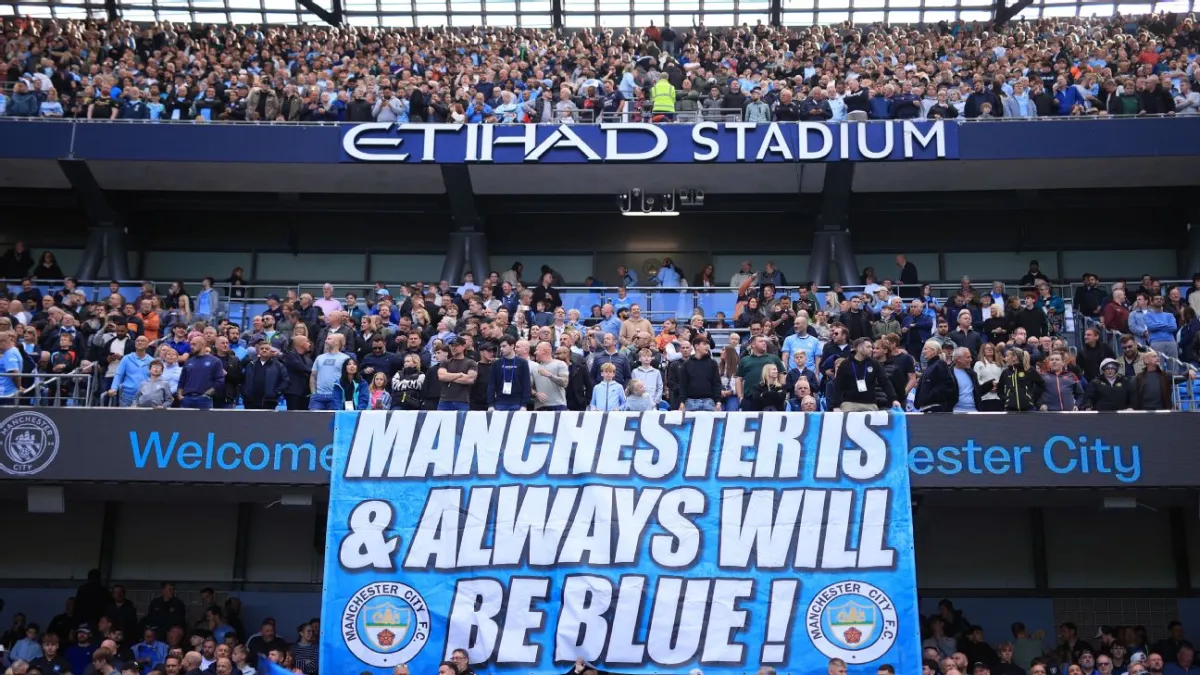
The Premier League’s verdict on Manchester City’s financial malfeasance between 2009 and 2018 has not only reshaped the club’s future but has also forced its most devoted supporters to confront a painful reality: the foundation of their identity is now under threat. For the older generation, who remember City’s struggles in the Football League, the prospect of a demotion is less a punishment than a return to familiarity. Some fans have even expressed a preference for the logistical simplicity of traveling to Chesterfield or Gillingham—outposts of the lower divisions—over the financial and emotional toll of attending high-stakes finals in London. This nostalgia, however, masks a deeper unease: the club they once knew is no longer the same institution that has dominated the Premier League for over a decade.
The younger generation, raised on a diet of trophies and global dominance, faces a far more daunting prospect. For them, the idea of City being relegated is not just a hypothetical—it is an existential crisis. The club’s recent history has been one of relentless success, with silverware accumulating at an unprecedented rate. A drop down the divisions would not merely be a setback; it would feel like an erasure of everything they’ve come to expect from their team. The emotional weight of this possibility is compounded by the reputational damage inflicted by the financial ruling. Former players like Shaun Wright-Phillips have spoken openly about the sting of being associated with a club labeled as ‘cheats’ by the league, a stain that will linger long after any sporting sanctions are resolved.
The fallout extends beyond the dressing room and the terraces. Manchester United fans, ever quick to seize on an opportunity to remind City of their past struggles, have already begun reclaiming their narrative. The iconic ‘trophy drought’ banner in the Stretford End was reset to mark 51 years since City’s last major trophy—a figure that now includes the years of alleged financial irregularity. The message is clear: United’s patience has been tested, and they are not about to let City’s retrospective medals obscure the fact that their own second-place finishes in 2012 and 2018 were denied by the very same club now under scrutiny. Even players like Michael Carrick, who competed in those seasons, have made it clear that no amount of retrospective recognition can replace the moments they were denied on the pitch.
The debate over the severity of the punishment is far from settled. While City has appealed the verdict, calling it ‘unsafe’ and riddled with errors, the Premier League’s owners and executives remain divided over how to proceed. Some advocate for a symbolic fine or a reduction in points, while others argue for a more drastic measure—one that would force the club to confront the consequences of its actions. The uncertainty only deepens the anxiety among fans, who now find themselves caught between two extremes: the nostalgia of a bygone era and the fear of a future they never imagined. For a club that has defined an era of football, the question is no longer about whether City will survive this crisis—but how much of its soul will be lost in the process.



