

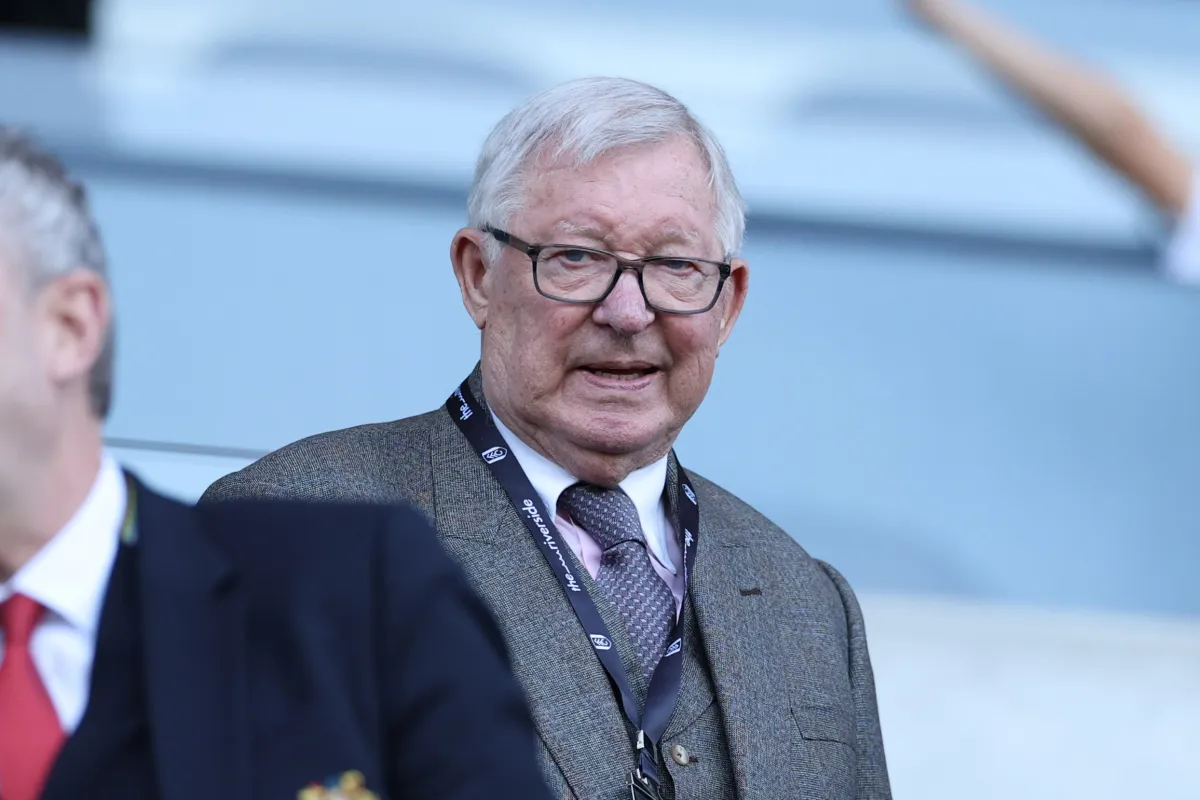
Sir Alex Ferguson’s transfer philosophy was never about sentiment. It was about vision. And yet, even for him, the decision to let one of Manchester United’s most electrifying talents depart—despite a storm of fan opposition—was a test of principle. The manager has now revealed the unyielding logic behind the move, one that hinged on a rare blend of tactical pragmatism and psychological insight.
The player in question was a midfield dynamo, a player whose energy and creativity had made him a fan favourite. Ferguson’s approach was methodical: he had identified a shift in the club’s strategic direction, one that required a different kind of midfielder—one who could dictate tempo from deeper positions, not just dominate through relentless pressing. The star in question, however, was built for a different era. His style was explosive, his work rate unmatched, but his adaptability to modern defensive structures was questionable. Ferguson’s challenge was to convince him—or the board—to accept that United’s future demanded a different kind of playmaker. When the player refused to budge, the decision was made: the club would part ways, despite the outpouring of fan support.
The backlash was immediate and visceral. Threatening letters poured into Old Trafford, some so extreme they would have made Ferguson’s usual calm demeanour waver. Yet he remained resolute. His reasoning was twofold: first, the player’s contract was expiring, and the financial terms of a new deal would have been prohibitive; second, the club’s ambition required a midfield pivot that aligned with the tactical evolution of the Premier League. Ferguson’s reputation for spotting talent was matched by his ability to recognize when a player’s prime no longer synced with a club’s trajectory. The star’s refusal to compromise—even after private meetings where Ferguson laid out the long-term vision—left the manager with no choice but to let him go.
What makes this story more than just another transfer saga is the player’s own perspective. Years later, he admitted in interviews that he had been unable to resist the allure of Arsenal’s project at the time. The club was rebuilding, and he saw an opportunity to be part of something special. His words—‘I couldn’t leave Arsenal’—carried the weight of a man who understood the stakes. For Ferguson, the transfer was never personal. It was a calculated move to ensure United’s midfield could evolve alongside the demands of the modern game. The fan backlash, in hindsight, was a reminder that even the most respected managers must sometimes make unpopular decisions for the greater good.
The fallout from this transfer remains a case study in football leadership. Ferguson’s ability to navigate pressure—both from the board and the terraces—while staying true to his tactical convictions is what defined his legacy. The player who left went on to become a legend elsewhere, but United’s midfield under Ferguson’s successors would later reflect the strategic foresight that made this decision necessary. It was a lesson in humility: even the greatest managers must sometimes let go of what they love for what the club needs.



