

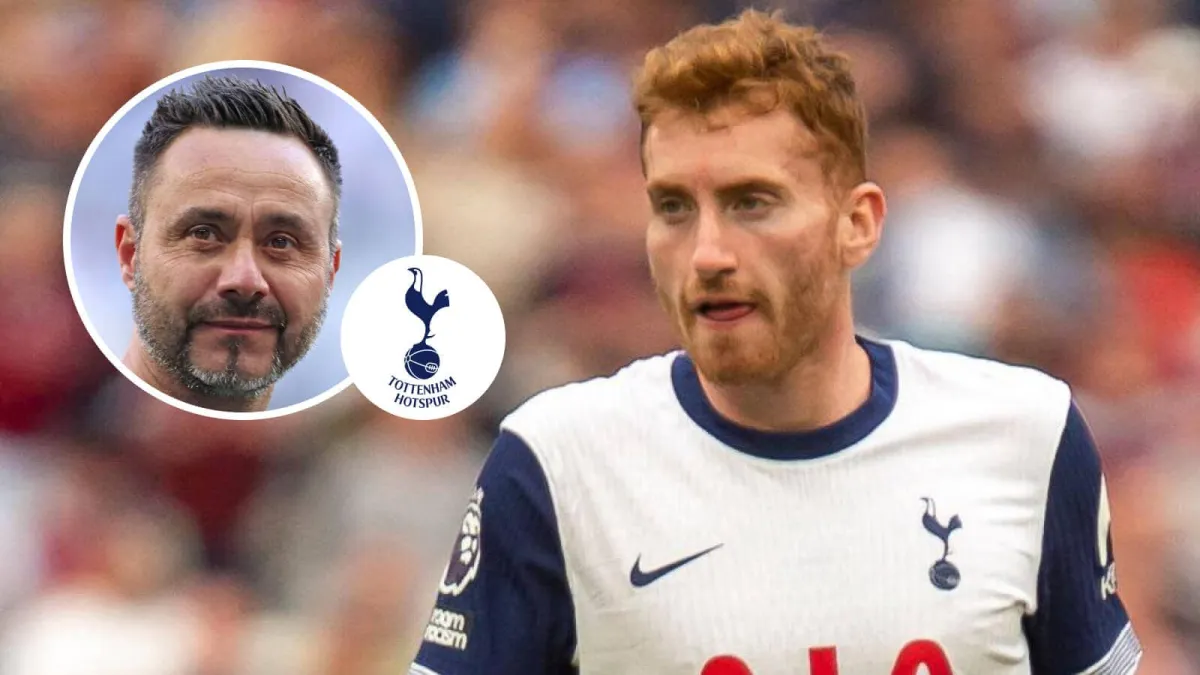
Tottenham Hotspur’s summer transfer window has arrived with the weight of a season defined by near-miss failure pressing down on every decision. The club’s 17th-place finish—its second consecutive relegation scrap—was only salvaged on the final day, a result that has left Roberto De Zerbi’s project at a crossroads. With a squad rebuilt at a cost exceeding €350 million, the question now is whether the new signings can bridge the gap left by injuries, tactical missteps, and a goal-scoring drought that has already stretched beyond 400 minutes in the current Premier League campaign.
The immediate priority is addressing the front line, where the absence of key players has exposed a critical vulnerability. De Zerbi’s side has yet to find a rhythm, and the pursuit of a free-agent solution has taken a sharp turn toward Mauro Icardi. The 33-year-old Argentine, whose career has spanned Inter, PSG, and Galatasaray, is now being actively considered by Spurs as a stopgap to end the scoring drought. His arrival would not only provide much-needed experience but also a physical presence capable of dominating defensive midfielders—a role that has been sorely lacking in Tottenham’s recent struggles. The timing is urgent: with only two points from four matches and a squad fractured by injuries, the club’s ability to compete in the coming months hinges on whether De Zerbi can integrate his new signings—including Mateus Fernandes, whose stunning volley against MK Dons in pre-season suggested a return to form—into a cohesive unit.
Yet the challenges extend beyond the transfer window. De Zerbi’s squad is operating at a fraction of its capacity, with just 13 players available for selection ahead of the north London derby against Arsenal. The injury list reads like a who’s who of last season’s struggles: Dejan Kulusevski, Pedro Porro, Mohamed Kudus, and Lucas Bergvall are all sidelined, while Cristian Romero’s suspension adds to the depth concerns. Kulusevski’s return, in particular, has become a focal point for optimism. After more than 500 days out of action, the Swedish winger’s rehabilitation has entered a critical phase, and insiders suggest there is growing confidence in his ability to contribute at a high level. His presence would not only bolster the attack but also provide the creative spark that has been missing in Tottenham’s midfield this season.
The tactical implications of these developments are profound. De Zerbi’s system demands fluidity between defense and attack, a balance that has been disrupted by the injuries and the slow integration of new players. Fernandes’ pre-season display was a promising sign, but his role in the first team remains to be fully defined. Similarly, the arrival of Sandro Tonali and Martin Dubravka adds depth to the midfield, but their ability to replicate their pre-season form under Premier League pressure will be the true test. With Arsenal looming large at the top of the table, Tottenham’s ability to compete will depend on whether De Zerbi can navigate these challenges—whether through tactical adjustments, strategic signings, or the timely return of key players like Kulusevski. The summer has barely begun, but the stakes could not be higher.



