

Northern Ireland’s 3-0 victory over Ukraine was never just a win—it was a statement. Before the match, the two nations were separated by 37 places in the FIFA World Rankings, a chasm that now feels like a distant memory. The final whistle saw the Northern Irish not just close the gap, but erase it entirely, leaving fans and pundits alike questioning whether this could be the beginning of something extraordinary.
The triumph was built on Michael O’Neill’s tactical ingenuity and the relentless energy of his squad. A 3-0 scoreline often suggests dominance, but this victory was far more than that—it was a masterclass in composure under pressure. Ukraine, a side accustomed to competing at the highest levels, were exposed by Northern Ireland’s clinical finishing and disciplined structure. The goals came at decisive moments, each one a testament to the team’s ability to exploit defensive frailties with precision. For a nation that has long grappled with the weight of expectation, this was the kind of performance that could redefine their footballing identity.
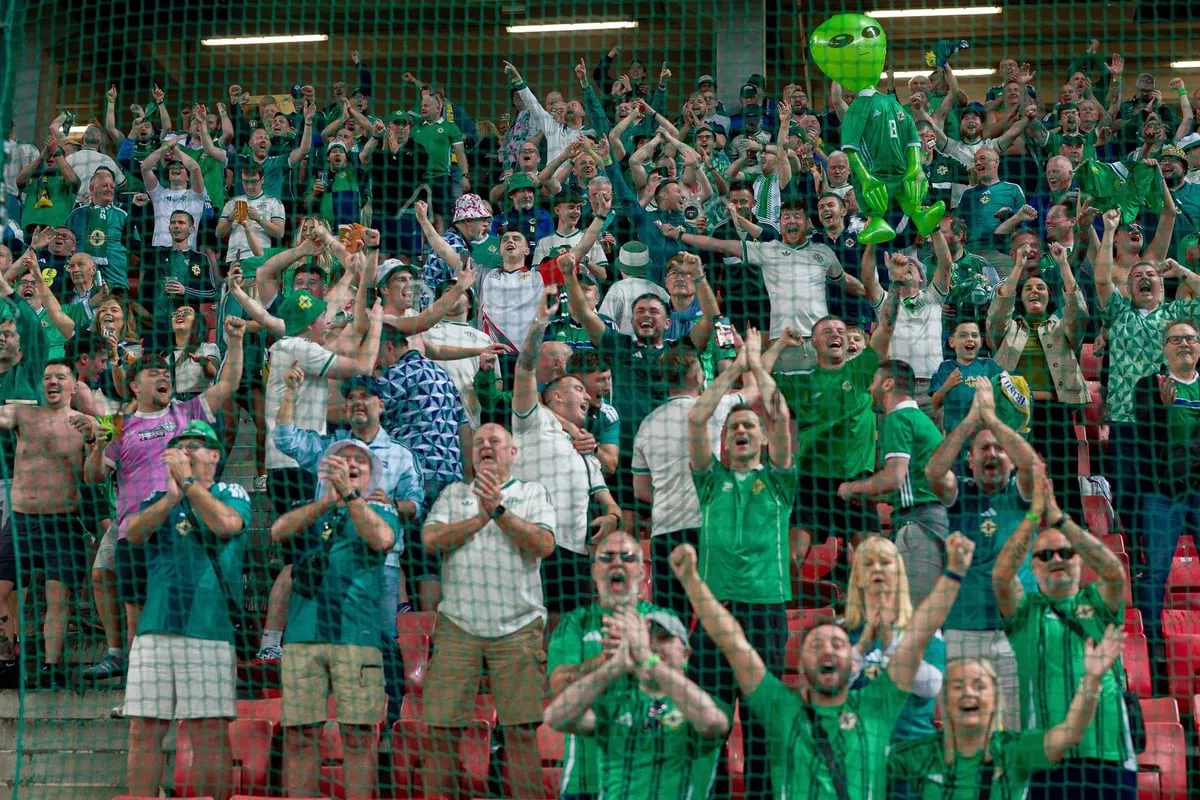
The reaction from the stands was electric. Fans chanted ‘Come on, Brown, the price is right,’ a phrase that has become synonymous with Northern Ireland’s underdog spirit. The sentiment was less about financial speculation and more about the belief that this team, with its blend of youthful flair and experienced leadership, could defy the odds. The victory didn’t just lift morale—it reignited a national conversation about what is possible. Could this be the year Northern Ireland finally breaks through in international football? The answer, for now, lies in the next chapter of their campaign, where every match will be scrutinized for signs of sustained progress.
What makes this result even more compelling is the context. Ukraine, a team with World Cup experience and a reputation for resilience, were expected to dictate the tempo. Instead, Northern Ireland’s defensive solidity and midfield control dictated the narrative. The 3-0 scoreline was a reflection of both efficiency and opportunity, with no wasted chances. For a side that has often struggled to convert possession into results, this was a rare display of clinical execution. The question now isn’t whether Northern Ireland can compete at the highest level—it’s whether they can sustain this form when the pressure mounts.
This victory has done more than just boost confidence; it has forced a reckoning. Northern Ireland’s footballing journey has been one of incremental progress, but this result suggests a newfound confidence. The fans’ reaction, the tactical brilliance on display, and the sheer audacity of the win all point to a team that is no longer content with playing for respect—it is now playing for the trophy. Whether that means qualifying for a major tournament or challenging established powers, one thing is clear: the game has changed. And for Northern Ireland, the best may be yet to come.



