

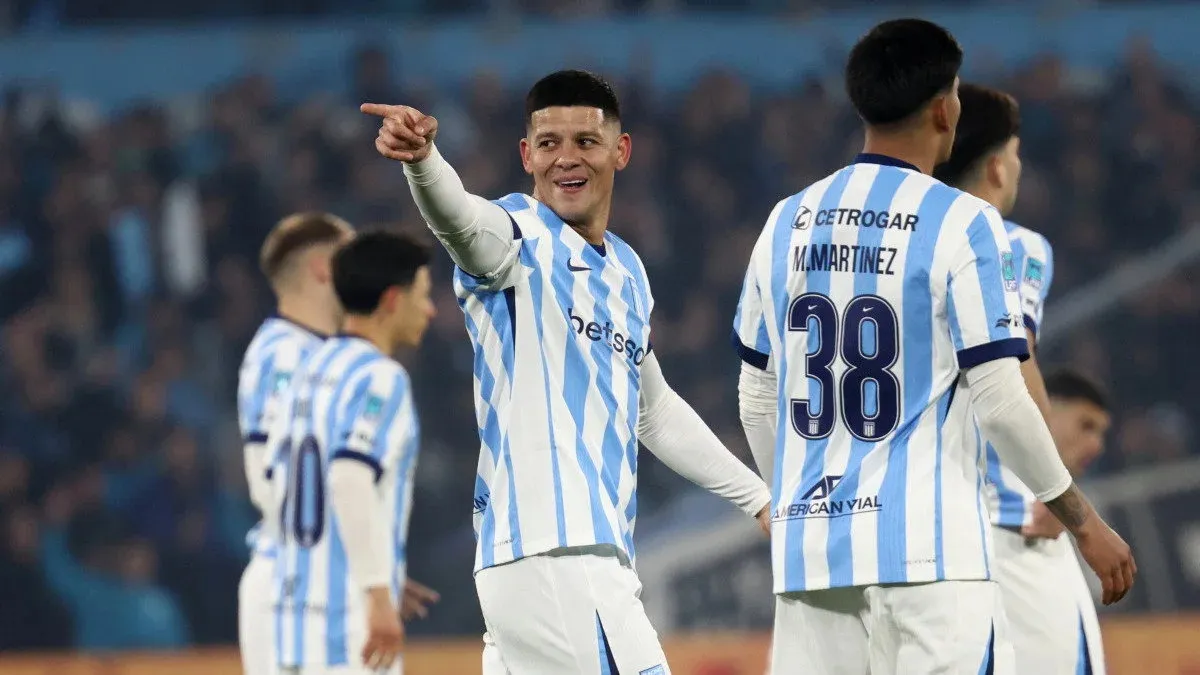
Marcos Rojo’s name has long been synonymous with resilience, but his current stand at Racing Club reveals a player at a breaking point. The 36-year-old defender, once a stalwart at Manchester United, has walked out of training sessions, his refusal to engage with Racing’s squad a direct protest against the club’s refusal to facilitate his transfer back to Estudiantes. This isn’t just a personal preference—it’s a boyhood dream, one he’s been chasing since leaving his Argentine hometown years ago. The standoff, which reached a boiling point after direct talks with Racing’s chairman, Diego Milito, has now forced Racing into uncharted tactical territory, with manager Vojvoda scrambling to address a defensive void exacerbated by injuries.
The friction between Rojo and Racing’s hierarchy began when he made his intentions crystal clear during private discussions with Milito on Tuesday. Repeatedly expressing his desire to leave, Rojo’s persistence clashed with the club’s reluctance to prioritize his departure, particularly given the financial and logistical complexities of a mid-season transfer. What started as diplomatic negotiations devolved into a heated exchange—one that left neither side willing to compromise. The result? Rojo’s absence from training, a move that signals his determination to force the issue. For a player who once represented Manchester United with quiet authority, this defiance marks a rare public assertion of his agency, one that could reshape his legacy in Argentina.
Racing’s defensive crisis is now deeper than ever. With Matías Pérez sidelined with an ankle sprain and key backline options limited, Vojvoda faces an impossible choice: cling to a depleted starting XI or experiment with untested formations. Reports suggest the Argentine manager is considering a back three—comprising Mateo Martínez, Rojo, and Gonzalo Escudero—as a stopgap measure to plug the gaps left by injuries. Yet even this tactical gambit risks alienating Rojo further, as his refusal to train undermines any sense of team cohesion. The move also highlights the precarious nature of Racing’s squad, where loyalty and leadership are now in short supply. For a club that once thrived on defensive solidity, the current instability is a stark reminder of how quickly fortunes can shift in La Liga.
The implications stretch beyond Rojo’s personal ambitions. Racing’s recent transfer activity—including the return of Sergio Canales to Racing Santander and the pending arrival of Athletic Club’s Julen—suggests a club in flux, desperate to rebuild its identity. Yet Rojo’s defiance underscores a broader tension: the gap between a player’s individual desires and a club’s collective needs. His boyhood club, Estudiantes, remains the ultimate destination, but the path there is now fraught with obstacles, including Racing’s financial constraints and the Argentine league’s transfer window restrictions. If Rojo’s stand continues, it could force Racing’s hand, accelerating a departure that has been delayed for months. For a man who once embodied discipline on the pitch, this moment of defiance may well define his final chapter in Argentine football.
What remains unclear is whether Rojo’s boyhood dream will ever materialize—or if this stand will become another chapter in a career marked by loyalty, only to end in acrimony. One thing is certain: the fallout from this dispute will ripple through Racing’s dressing room, testing the resolve of a manager already stretched thin by injuries and tactical uncertainty. For Rojo, the choice is clear. The question is whether Estudiantes—or any club—will be willing to pay the price for his return.



