Kenya’s footballing landscape is rarely short on controversy, but Benni McCarthy’s blunt rebuke to critics after Byrne Omondi’s stellar display against Eritrea has reignited a debate about merit, media scrutiny, and the pressures of African football.
The Harambee Stars’ 1–1 draw—hard-won in a match where Omondi’s commanding performances between the sticks were the standout feature—has left some voices questioning the goalkeeper’s form.
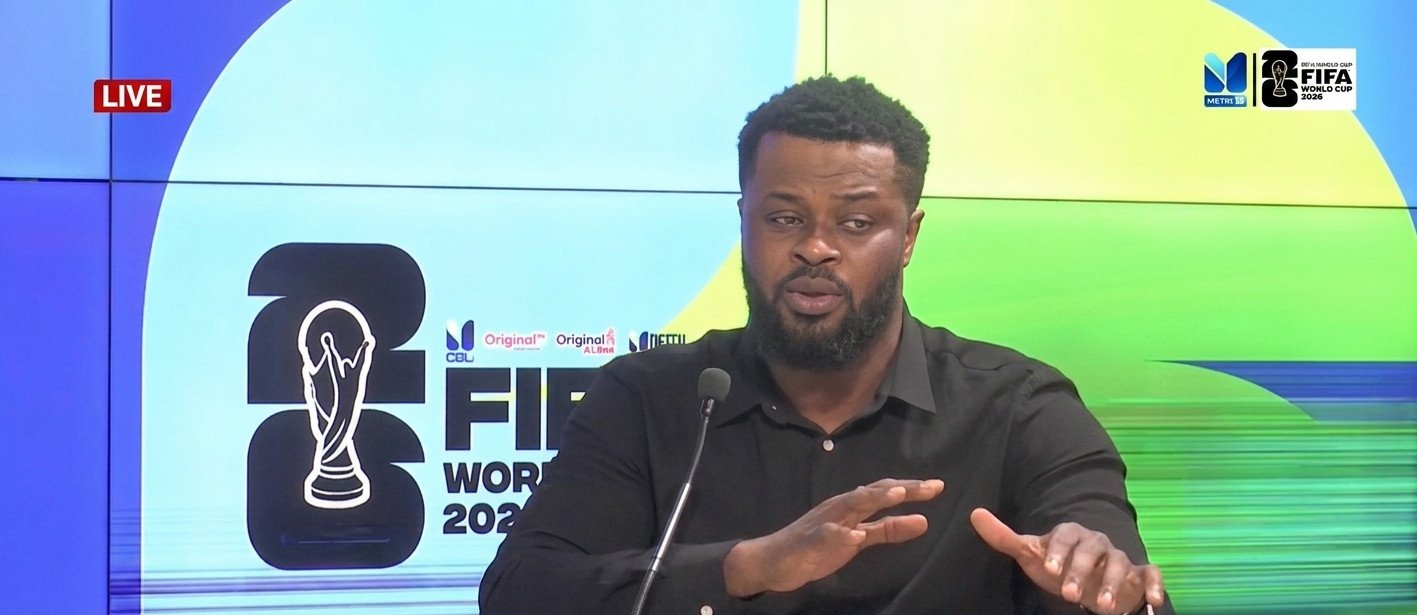
McCarthy, however, has issued a direct challenge to those voices, urging them to “shut up and content themselves” unless they can point to a Champions League final on their CV.
The remark, delivered with the characteristic bluntness of a coach who has navigated the complexities of African football for decades, underscores a growing frustration among African managers with the often unfair standards applied to their players.
Omondi, a young goalkeeper whose consistency has been a cornerstone of Kenya’s recent campaigns, has faced relentless criticism despite delivering results.
McCarthy’s response—“Unless you’ve won a Champions League final, shut up”—is not just a deflection; it’s a pointed reminder that the benchmarks for success in Europe and Africa are fundamentally different.
For a goalkeeper like Omondi, who has been the rock of Kenya’s defense in qualifying campaigns, such scrutiny is not just unwarranted but counterproductive.
The timing of McCarthy’s intervention is significant, coming as it does amid the broader upheaval at Bafana Bafana.
Pitso Mosimane’s appointment as the new head coach of South Africa’s national team has created a ripple effect across the continent, with many wondering how the change will impact the region’s footballing dynamics.
McCarthy, who has long been a vocal advocate for African football’s development, has suggested that the shift in leadership at Bafana Bafana could either accelerate or complicate the continent’s collective progress.
His words carry weight not just as a defensive stance for Omondi, but as a broader commentary on the need for more nuanced conversations about African football’s challenges.
Beyond the immediate fallout from the Eritrea match, Omondi’s performance has reignited discussions about the future of Kenya’s goalkeeping depth.
The goalkeeper’s ability to dominate one-on-one situations and organize his defense has been a key factor in the Harambee Stars’ recent resilience, particularly in high-pressure qualifying matches.
Yet, the criticism he faces—often amplified by social discourse—highlights a persistent issue: the lack of patience for African players who excel in their own contexts but are judged by European standards.
McCarthy’s challenge to critics is not just a personal defense of Omondi; it’s a call to recognize that greatness in African football is measured differently—and that dismissing it without understanding the context is a disservice to the game itself.
As Kenya prepares for the next leg of their qualifying campaign, the debate over Omondi’s form and the broader scrutiny of African football’s stars will continue.
McCarthy’s unapologetic stance, however, signals a shift in tone: African coaches are no longer willing to endure passive-aggressive criticism without pushing back.
Whether it’s about a goalkeeper’s consistency, a manager’s vision, or the unrealistic expectations placed on African players, the message is clear.
The standards may be high, but the context matters—and those who fail to acknowledge it should indeed “shut up.”