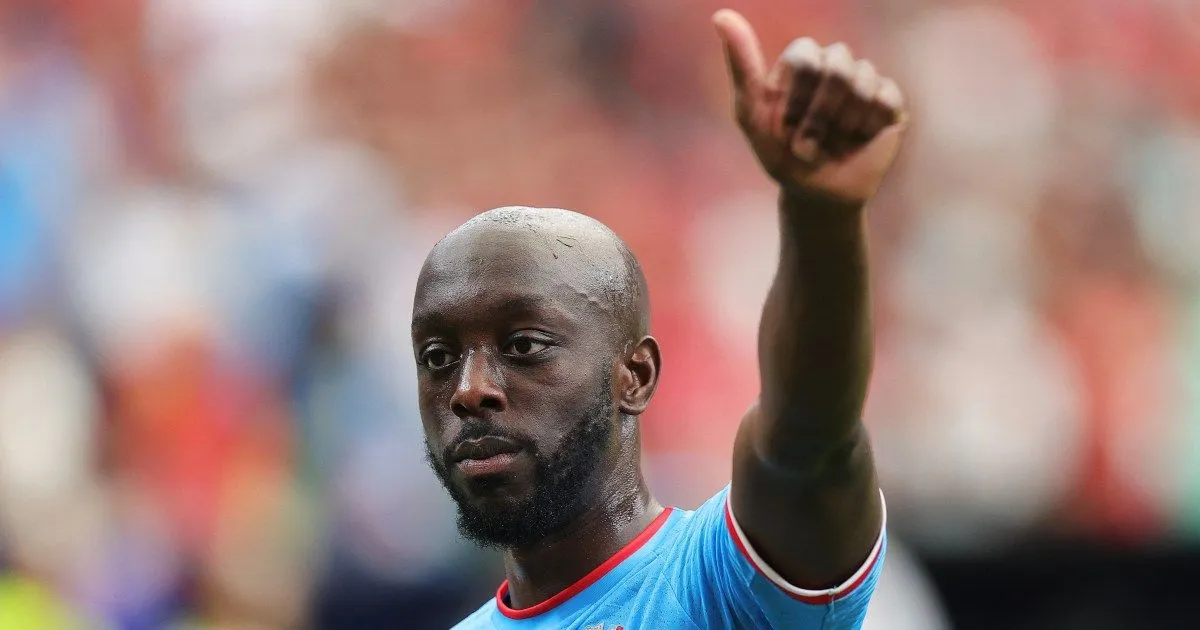
The Democratic Republic of Congo’s attack has been unstoppable in AFCON qualifying Group E, and Yoane Wissa remains its most lethal weapon. The Newcastle United striker’s 30th-minute header in Harare on Monday was the difference as DR Congo defeated Zimbabwe 2-1, extending their unbeaten run to three matches and securing a commanding lead in the group. Wissa’s goal—poked home after a defensive lapse—was the second of his career in qualifying, a testament to his ability to deliver when it matters most. With Chancel Mbemba’s header in the opener against Equatorial Guinea, The Leopards have already amassed six points from two games, a pace that would have been unimaginable just a year ago under manager Sébastien Desabre.
Desabre’s tactical evolution has been the cornerstone of DR Congo’s resurgence. The French manager’s insistence on structured pressing and positional play has exposed Zimbabwe’s defensive frailties, while Wissa’s movement and finishing have turned possession into goals. The 30-year-old’s partnership with Aaron Wan-Bissaka—who fed him the assist in Kinshasa—highlights the depth of the squad, where Belgian international Michel-Ange Balikwisha and French-born Cédric Bakambu provide creative and goal-scoring alternatives. Even without Wissa, Bakambu’s 34 goals for Real Betis suggest he could carry the scoring burden if needed. DR Congo’s clean sheet in their first competitive match since the World Cup last-16 exit further underscores their confidence, a stark contrast to the defensive vulnerabilities that plagued them in past campaigns.
Meanwhile, Tunisia’s qualifying nightmare deepens. The North Africans were held to a 2-2 draw by Botswana in Group H, their eighth straight game without a win and the longest winless streak in the continent’s qualifying campaign. Hazem Mastouri’s brace—scored either side of halftime—couldn’t overcome Thatayaone Kgamanyane’s opener, while Lebogang Ditsele’s equalizer in the 60th minute left Tunisia’s fans at home in Rades with little to celebrate. With Botswana leading the group on goal difference, Tunisia’s path to AFCON 2027 grows increasingly precarious. Their inability to break down opponents like Equatorial Guinea (1-0 defeat) or Uganda (1-1 draw) raises questions about their tactical adaptability, especially against teams with aggressive pressing systems.
The broader implications of these results cannot be overstated. DR Congo’s dominance in Group E ensures they will qualify for AFCON 2027 with ease, barring a collapse in their final two matches. Their blend of youth and experience—players like Wan-Bissaka and Balikwisha bridging the gap between generations—suggests they could challenge for the title if they maintain their current form. For Tunisia, the pressure is mounting. Their failure to capitalize on possession and set-piece opportunities has been a recurring theme, and without a swift turnaround, they risk being sidelined in a group where Botswana’s resilience and Uganda’s tactical discipline pose significant hurdles.
The AFCON qualifying campaign is shaping up to be a tale of two narratives: one of DR Congo’s relentless progression, and another of Tunisia’s persistent struggles. Wissa’s goal in Harare wasn’t just a victory—it was a statement. The Leopards are no longer the underdogs they once were, and their journey to 2027 is already written in bold. For Tunisia, the clock is ticking. Their next performance against Libya or Uganda will determine whether they can salvage a campaign that has thus far been defined by missed opportunities and defensive fragility.