

The relationship between UEFA and FIFA has reached a critical juncture. In a letter sent to FIFA General Secretary Mattias Grafström on October 19, UEFA’s Theodore Theodoridis has formally requested substantive written responses to 42 questions spanning governance, financial transparency, and high-profile disciplinary decisions—all due by **Monday, November 2**. The demand follows a FIFA Council meeting in Zurich last week, where Gianni Infantino’s presidency was placed under intense scrutiny after he urged members to submit written questions about his leadership.
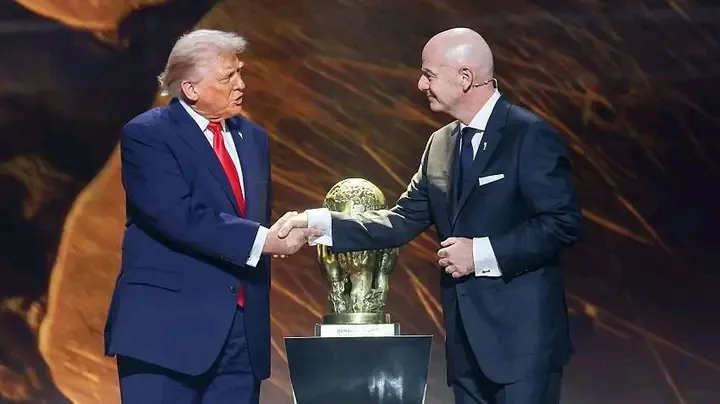
The letter’s urgency is unmistakable. ‘These questions require answers now,’ Theodoridis wrote, rejecting any deferral to future governance reforms. ‘They cannot be deferred until the next meeting of the FIFA Council—nor can future governance reforms substitute for scrutiny of decisions already taken and accountability for them.’ The 42 questions cover 12 distinct topics, including the **FIFA Forward Enterprise (FFE) project**—the controversial plan to privatize FIFA’s commercial interests, including the World Cup—and the **Folarin Balogun case**, where UEFA seeks the ‘full written reasons’ behind the suspended one-match ban and all related correspondence. The letter also demands clarity on the **duration of the World Cup final half-time show**, **hydration break policies**, and the origins of the **FIFA Peace Prize**, signaling a broad audit of FIFA’s operational and ethical decisions.
The FFE project, in particular, has been a flashpoint. UEFA has led the charge against Infantino’s proposal to create a company managing FIFA’s commercial assets, including a minority stake sale to private investors—a plan abandoned after fierce backlash. The letter now demands full documentation on the **process, rationale, and financial projections** behind FFE, as well as any internal deliberations that led to its abandonment. Similarly, the Balogun case—where the Nigerian defender was suspended for a match before the ban was later overturned—has become a symbol of FIFA’s inconsistent disciplinary approach. UEFA’s demand for ‘all supporting documentation’ from the disciplinary committee and FIFA administration suggests a push for transparency in how such cases are handled.
Infantino’s own apology to the FIFA Council last week, where he invited members to submit written questions, has set the stage for this confrontation. While he faces reelection in 2027, the pressure on him to provide immediate, detailed responses is now undeniable. The November 2 deadline is firm: any refusal to disclose information must be justified individually, with clear legal grounds. The stakes are high. For UEFA, this is about restoring trust in FIFA’s governance. For Infantino, it’s a test of whether his leadership can withstand the most rigorous scrutiny yet—without delay.
The letter’s tone leaves no room for ambiguity. UEFA is not seeking a dialogue; it is demanding accountability. The 42 questions are not mere inquiries but a formal demand for documentation, processes, and justifications. If FIFA fails to comply, the implications could reshape the power dynamics between Europe’s football body and FIFA itself. One thing is certain: the next two weeks will determine whether FIFA’s leadership can meet the standard of transparency it has long demanded of others—or if this moment marks the beginning of a new era of scrutiny.



