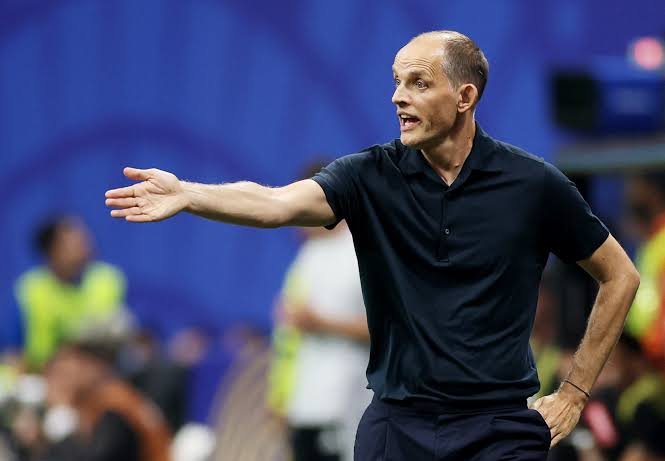
The ultimate test of a manager’s mettle is not merely in assembling talent, but in the ruthless execution of strategy under the brightest spotlights. Following England’s devastating semi-final exit from the World Cup, the spotlight has fallen squarely on Thomas Tuchel, whose tenure has been thrust into a critical period of reflection. The primary and most glaring lesson Tuchel must absorb is the absolute necessity of selecting his absolute best players. When the pressure peaked, the decision to omit world-class operators like Cole Palmer, Phil Foden, Trent Alexander-Arnold, Harry Maguire, and Morgan Gibbs-White from the squad proved costly. Attempting to outsmart the tournament’s tactical landscape by overthinking his squad selection only served to dilute the quality of a side built to go all the way.
Beyond individual selections, structural fragility has emerged as a persistent vulnerability that England must resolve. Tuchel must prioritize building from the back, establishing a singular, reliable defensive unit and adhering to it with unwavering conviction. The constant rotation and experimentation with the back four during crucial matches undermined any sense of defensive cohesion. Compounding this tactical fragility was the inability to secure victory when it was within grasp. England’s tendency to collapse in the final stages of high-stakes encounters, coupled with poorly timed substitutions, has repeatedly handed their opponents the initiative. Tuchel’s failure to manage the clock and lock down winning positions has proven to be a fatal flaw in his tactical repertoire.
Perhaps the most damaging aspect of the campaign was the public relations fallout stemming from Tuchel’s own commentary. The manager must learn never to criticize his players in public, particularly when the stakes are so high. After the defeat to Argentina, Tuchel’s comments regarding the genetic limitations of English players’ ability to control the ball—comparing them unfavorably to the technical mastery of Spain and Brazil—served only to create distance between the manager and his squad. This public critique became deeply ironic given that he had made the controversial call to leave key playmakers like Palmer and Foden on the sidelines, alienating the very talent he publicly questioned.
Finally, Tuchel must move away from the repetitive rhetoric of the “brotherhood” that has defined the squad’s public persona. While the mutual respect and camaraderie among the England players are undeniable, the constant narrative of unity without the backing of tactical evolution has run its course. Fans and critics alike understand that the players are united in their desire to win, but verbal assurances cannot compensate for defensive disarray or late-game collapses. To lead England to the next level, Tuchel must replace the worn-out brotherhood talking points with a culture of ruthless tactical discipline, trust in his best players, and the composure required to finish what they start.