Tottenham Hotspur’s transfer windows have long been a subject of debate, but the latest data paints a picture that is at once familiar and unsettling. Over the past five seasons, Spurs have managed to recoup fees on 62.5% of their departing players—a figure that places them ahead of Liverpool (55.9%) and Arsenal (a dismal 32.4%). Yet for every €100 spent, they only recover €36.35, a figure that pales in comparison to Manchester City’s €74. This isn’t just about poor sales; it’s about a systemic failure to maximize value, whether through smart acquisitions or disciplined asset management.
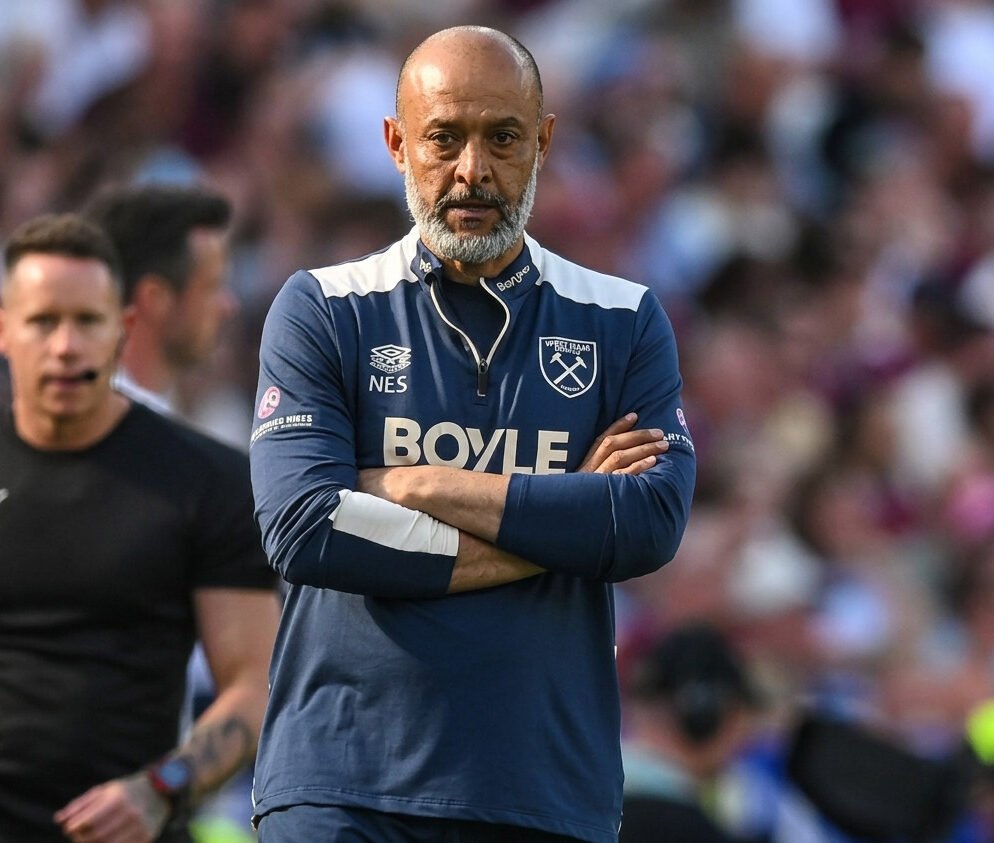
The summer of 2024/25 was particularly telling. Spurs brought in just €56 million in gross spend, a fraction of the potential €91 million available, leaving many wondering how new manager Ange Postecoglou could have been expected to compete with the likes of Liverpool or Manchester City. The club’s strategy this window has shifted decisively toward ‘Premier League-proven’ signings, with all ten new arrivals coming from English clubs—a stark departure from their historical approach. While this domestic focus may seem pragmatic, it has also exposed vulnerabilities. The EFL Cup run, where Spurs dominated Charlton Athletic 5-1 before falling to Liverpool, highlighted inconsistencies: a team that can overwhelm lower-tier opposition but struggles against top-tier competition.
The numbers don’t lie. Spurs’ net spend growth this summer was outpaced by rivals, yet their ability to turn investments into tangible results remains questionable. The 2026/27 campaign has begun with mixed results: a dominant 3-0 win over Brentford followed by a heavy 0-2 defeat to Newcastle, a pattern that mirrors their inconsistent transfer record. The club’s reliance on domestic signings, while safer, has also limited their ability to disrupt the market with high-impact transfers. Meanwhile, their selling activity—while better than Arsenal’s—still lags behind City’s efficiency, raising questions about whether Spurs are truly optimizing their squad turnover.
What’s clear is that Tottenham’s transfer philosophy is at a crossroads. The data suggests they’re not as bad as the headlines imply, but they’re also not maximizing their potential. The challenge ahead will be balancing pragmatism with ambition—proving that even with limited resources, they can build a competitive squad rather than just a stable one.