Barcelona’s attack has never been a mystery. It’s a ballet of precision, creativity, and relentless energy, but at its core lies a player whose impact is as consistent as it is overlooked: Raphinha. The Brazilian forward, captain of a side in flux, has spent this season proving what the Ballon d’Or committee may have missed—his ability to elevate an entire team when he’s on the pitch.
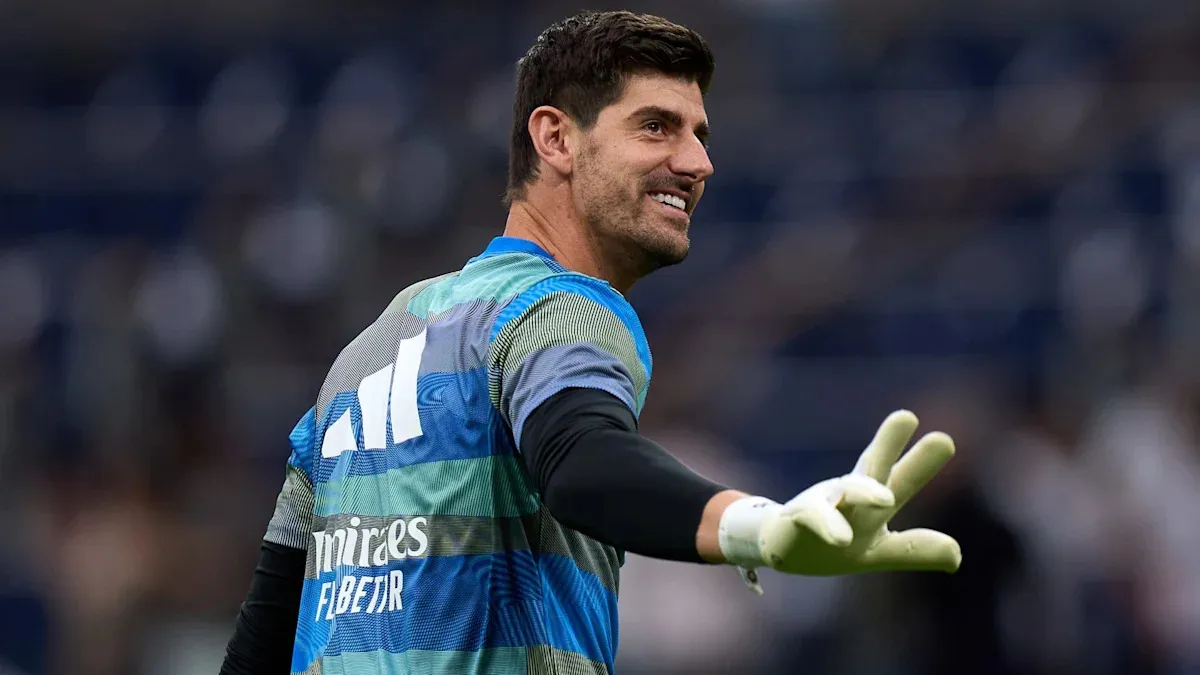
Thibaut Courtois, a goalkeeper whose tactical awareness is as sharp as his reflexes, has offered one of the most candid assessments of Raphinha’s role yet. Speaking with uncharacteristic admiration for a rival, Courtois framed the Brazilian as indispensable. ‘When he’s not there, they struggle a lot,’ the Real Madrid goalkeeper admitted. ‘When he is, they’re playing well.’ These aren’t empty words from a fan. Courtois, who has faced Raphinha in high-stakes derbies, understands the weight of his influence—how his dribbling, vision, and work rate redefine Barcelona’s attacking options. His praise isn’t just a fleeting compliment; it’s a recognition of a player who has become the emotional and technical heartbeat of a team navigating transition.
Raphinha’s numbers don’t lie. His numbers never do. At the start of this campaign, his contributions were already a blueprint for how a modern winger should operate: 12 goals and 15 assists in La Liga last season, a 70% pass accuracy that belies his fearlessness in tight spaces, and a knack for delivering the perfect through-ball at the decisive moment. Yet, when the Ballon d’Or shortlist was announced, his name was absent—a decision that has sparked debate among those who watch the game closely. Courtois’ words don’t seek to rewrite history; they simply highlight a glaring inconsistency. Raphinha doesn’t just perform; he *changes* the game when he’s on the field. His partnership with Lamine Yamal, the 17-year-old prodigy, has been particularly telling. Where others might see a mismatch in experience, Barcelona see a dynamic duo: one with the technical mastery to break down defenses, the other with the raw speed and instinct to exploit the gaps left behind.
The irony isn’t lost on those who follow Barcelona’s evolution. Raphinha’s journey from a player who could be sidelined for tactical reasons to the team’s most consistent creator mirrors the club’s own struggle to balance ambition with pragmatism. His captaincy isn’t just a title; it’s a statement. He leads by example, whether it’s in the final third, in midfield battles, or in the way he carries himself on the pitch. Courtois’ remark—‘He doesn’t always get the recognition he deserves’—isn’t just a kind word; it’s a challenge to those who still see Raphinha as a ‘flair player’ rather than a linchpin. His ability to dictate tempo, his clinical finishing, and his unshakable composure under pressure are the very qualities that define elite performers. That the Ballon d’Or committee overlooked him says more about the awards’ limitations than it does about Raphinha’s contributions.
What’s next for Raphinha? The answer lies in the numbers—and in the way Barcelona’s opponents react when he’s on the field. His influence is now so ingrained that his absence would be felt immediately. Whether it’s in the Champions League, where his creativity could be the difference between another early exit and a deep run, or in La Liga, where his partnership with Pedri and Gavi continues to redefine midfield dominance, Raphinha’s role is far from over. Courtois’ words may have come from a rival, but they carry the weight of someone who understands the game’s nuances. For Barcelona, Raphinha isn’t just a player; he’s a reminder that greatness isn’t always measured by trophies or awards—sometimes, it’s measured by the way a team plays when you’re on the pitch.