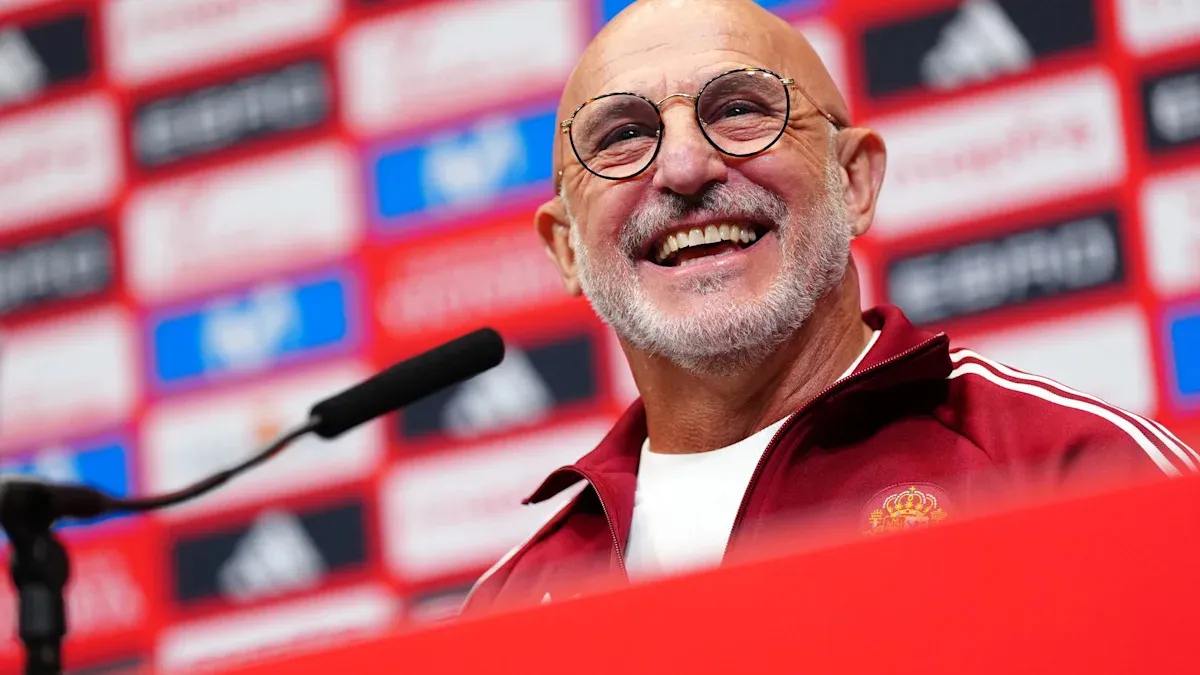
Spain’s World Cup triumph in 2026 was not just a victory—it was a statement. Luis de la Fuente’s side, led by a manager who became the oldest coach in history to lift the trophy at 65, silenced doubters with a 1-0 win over Argentina in Los Angeles. The result was more than a final; it was the culmination of a project De la Fuente has nurtured for over a decade, from grassroots development to Euro 2024 glory. Now, as Spain prepare to face England at Wembley in their Nations League opener, the manager’s confidence is unwavering: *‘The best is yet to come.’*
Yet the road to that triumph was not without scrutiny. Spain’s World Cup campaign began with a forgettable 0-0 draw against Cape Verde, a result that left fans and pundits questioning the team’s form. De la Fuente, however, has dismissed external criticism, insisting his squad operates in a ‘bubble’—one that thrives on collective identity rather than individual brilliance. The manager’s philosophy, honed through years of rebuilding the national team after the 2022 World Cup heartbreak, is clear: consistency over flash. With a record 38-match unbeaten streak in all competitions, Spain’s project is built on discipline, not just talent. But the pressure remains. A statement win against Saudi Arabia was needed to restore faith, and now, facing England—a team with its own World Cup ambitions—De la Fuente’s side must prove they are more than a one-hit wonder.
The narrative around Spain’s success is often overshadowed by the legend of Lionel Messi, who, at 39, has delivered eight goals in Argentina’s World Cup run. Yet De la Fuente’s focus is on the future. Lamine Yamal, the 17-year-old prodigy from Barcelona, is expected to play a pivotal role in Spain’s next chapter. While Yamal’s impact has been limited so far, De la Fuente has hinted at an ‘improved’ version of the forward ready to step up against Belgium in the quarterfinals. The manager’s vision extends beyond the current squad: a long-term plan that includes the 2030 World Cup (co-hosted by Spain) and the 2028 and 2032 European Championships. His contract extension through 2032—a unanimous decision by the federation—reflects the confidence placed in his leadership, ensuring stability for a project that has already rewritten Spain’s footballing legacy.
De la Fuente’s words before the England match carry weight because they are rooted in reality. Spain’s World Cup win was not a fluke; it was the result of a manager who understands the game’s ebbs and flows. His warning against complacency rings true in a tournament where no team is guaranteed success. The Nations League opener against England is more than a friendly—it is a test of Spain’s ability to transition from champions to contenders. Can they replicate the dominance that saw them defeat Argentina? Or will England, a side with its own World Cup pedigree, expose cracks in Spain’s armor? The answer will define whether De la Fuente’s vision is just beginning—or if the best is already behind them.
One thing is certain: Spain’s footballing renaissance is far from over. De la Fuente’s leadership, combined with a squad that balances experience and youth, ensures that the ‘best is yet to come.’ The Wembley showdown with England will be the first true litmus test. If Spain emerge victorious, it will be proof that their World Cup triumph was not an anomaly, but the start of something greater.