

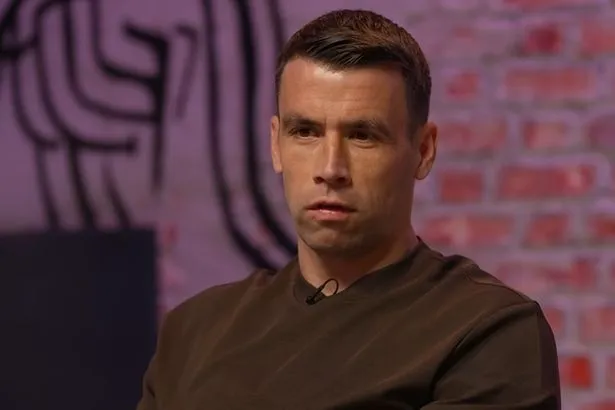
The Premier League’s reputation as the world’s most competitive football league is under renewed scrutiny, with former Everton captain Seamus Coleman warning that the ongoing Manchester City disciplinary case is ‘killing’ the game’s integrity. Speaking with uncharacteristic urgency, Coleman—who played 347 Premier League matches—highlighted how the league’s handling of high-profile cases, from Everton’s 2023 10-point deduction to City’s current charges, risks eroding trust in the sport’s most prestigious domestic competition.
Coleman’s comments arrive against the backdrop of Everton’s historic punishment, which remains the most severe sporting sanction in Premier League history. The Toffees were stripped of 10 points in November 2023 for a single PSR breach—a penalty that not only cost them Champions League qualification but also dominated headlines for weeks. ‘It did affect Champions League positions,’ Coleman acknowledged, though he tempered his assessment, noting the long-term impact was difficult to quantify. ‘It’s very hard to say because that time’s gone by.’ Yet the memory of Everton’s ordeal lingers, a stark reminder of how swiftly fortunes can turn in a league where discipline and perception are as critical as performance.
The contrast with Manchester City’s case is impossible to ignore. While Everton’s punishment was met with widespread debate over proportionality, City’s ongoing charges—centered on alleged financial irregularities and governance failures—have become a distraction of unprecedented scale. Coleman’s blunt assessment—that the case is ‘killing’ the league—reflects a growing frustration among former players and pundits alike. The specter of prolonged legal battles, combined with the financial and reputational toll on all parties involved, threatens to overshadow the sport’s core appeal: the drama of competition, not the bureaucracy of punishment.
What makes Coleman’s intervention particularly telling is his insider perspective. As a player who navigated the Premier League’s highs and lows over two decades, he understands the delicate balance between enforcing rules and preserving the league’s global allure. His criticism isn’t directed at the rules themselves but at the process—how cases are handled, communicated, and their ripple effects on clubs like Everton, which bore the immediate consequences of a system perceived as uneven. The question now is whether the Premier League can navigate these challenges without further damage to its standing, or if the league’s identity is being reshaped by forces beyond the pitch.
For Everton fans, the 2023 punishment remains a painful chapter, one that underscored the league’s willingness to impose severe penalties for perceived infractions. Yet Coleman’s focus on City’s case suggests a broader concern: that the Premier League’s ability to attract global audiences and investment hinges on consistency. If the league’s most prominent clubs are treated as exceptions rather than examples, the very foundation of its prestige could be at risk. The challenge for the competition’s authorities is to restore faith—not just in the rules, but in the fairness of their enforcement.



