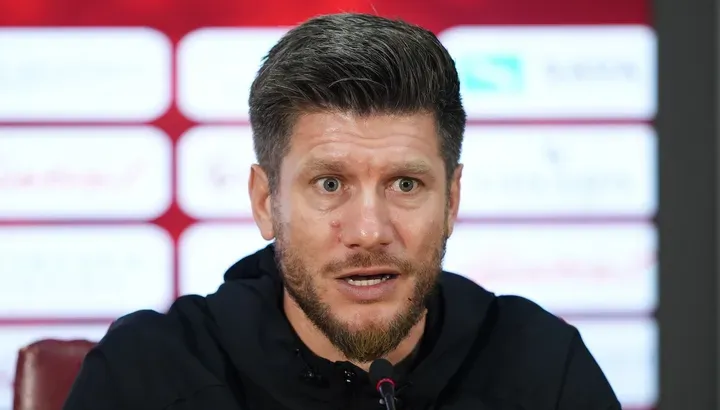
Scotland’s Nations League campaign under new manager Sébastien Pocognoli has begun with a tactical reset, a roster overhaul, and the immediate pressure of a must-win draw against Slovenia. The Tartan Army’s first match under the Frenchman—scheduled for September 26—will test his ability to balance ambition with pragmatism, as he fields a squad that includes five debutants, including Sevilla striker Robbie Ure and Brondby midfielder Luis Binks. The absence of Scott McTominay, still recovering from injury, leaves Pocognoli to rely on John McGinn as his primary creative threat up front, a role the Aston Villa captain has filled with growing confidence since his World Cup goal against Portugal.
The tactical challenge is clear. Pocognoli’s preference for a back five—evident in his pre-match preparations—could see McGinn deployed alongside a lone striker, a formation that demands precise build-up play from midfielders like Billy Gilmour (Napoli) and Colby Donovan (Hibernian). Gilmour’s return from injury is critical; his ability to dictate tempo will determine whether Scotland’s midfield can sustain possession against Slovenia’s disciplined defensive structure. The Slovenes, meanwhile, will look to exploit any gaps in Scotland’s high line, particularly with David Zec and Zan Vipotnik offering direct counterattacking threats. The over/under on goals remains a concern—Scotland’s failure to score in their last Nations League fixture against Cyprus underscores the need for a more clinical frontline.
Pocognoli’s squad selection reflects a deliberate attempt to inject youth and energy into a side that struggled for cohesion at the World Cup. The call-ups of Ure, Binks, and Donovan signal a shift toward a more attacking identity, though their impact will depend on how quickly they integrate with veterans like McGinn and McTominay’s replacement, Robbie McGinn. The absence of Craig Gordon—now retired—has also opened the door for Scott Bain and Jon McCracken to reclaim their places in goal, adding another layer of uncertainty to Scotland’s defensive organization. With only three points available in the opening three games, Pocognoli’s ability to extract performances from this mix of experience and inexperience will be the difference between qualification and another campaign of near-misses.
The stakes could not be higher. A draw against Slovenia—Scotland’s weakest fixture in Group B1—would still leave them trailing Switzerland and North Macedonia, both teams with stronger attacking records. The return of McGinn as a primary target man could be the catalyst Scotland needs, but his effectiveness will hinge on whether Pocognoli’s midfield can provide the necessary support. Slovenia’s defensive solidity, combined with their direct play, means Scotland must avoid the same stagnation that cost them at the World Cup. If they can break down their opponents with quick transitions and precise passing, this could be the start of a more competitive Nations League campaign. For now, though, the focus remains on September 26—a test of Pocognoli’s vision and Scotland’s willingness to embrace change.