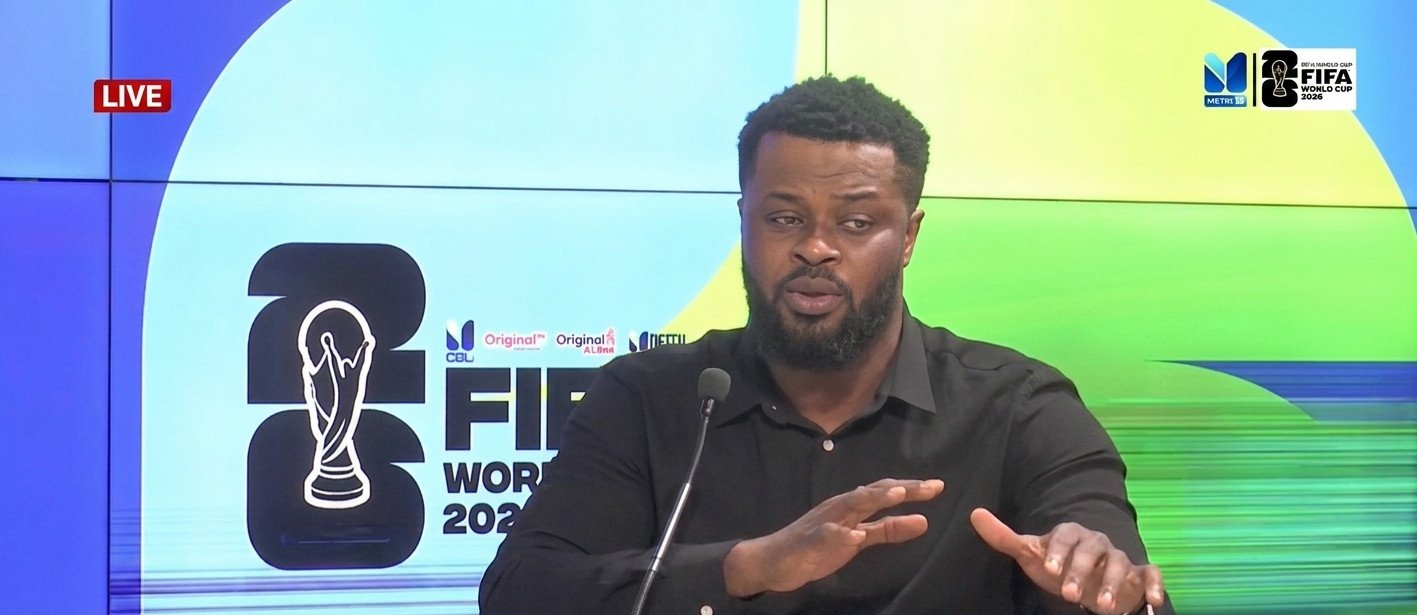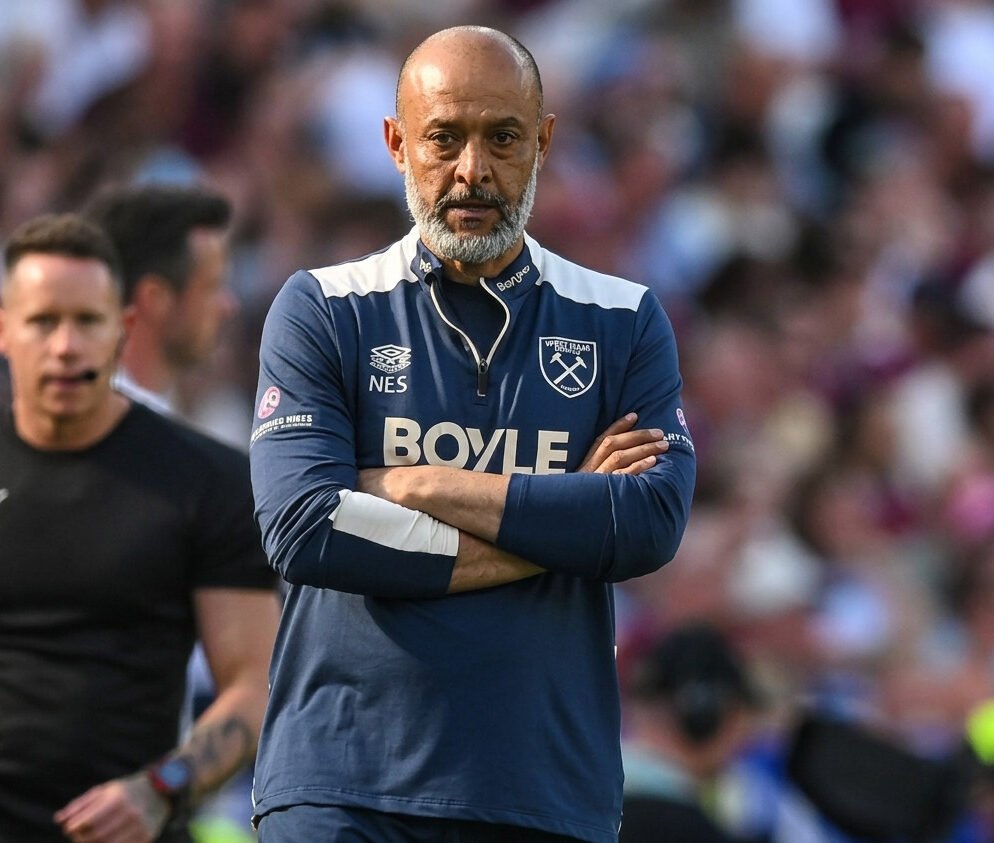
Tottenham Hotspur returned to Goodison Park on Saturday with a clear objective: break their early‑season goal drought and stake a claim in the Premier League title race. Instead, the match ended in a second consecutive 0–0 draw, extending a run of goalless outings that has left the Lilywhites scrambling for answers. Former England goalkeeper Mark Schwarzer, a long‑time observer of the club, did not mince words, calling the stalemate the “biggest disappointment” of the campaign so far. His assessment cuts to the core of a side that has struggled to convert possession into chances, despite moments that suggested a breakthrough was possible.
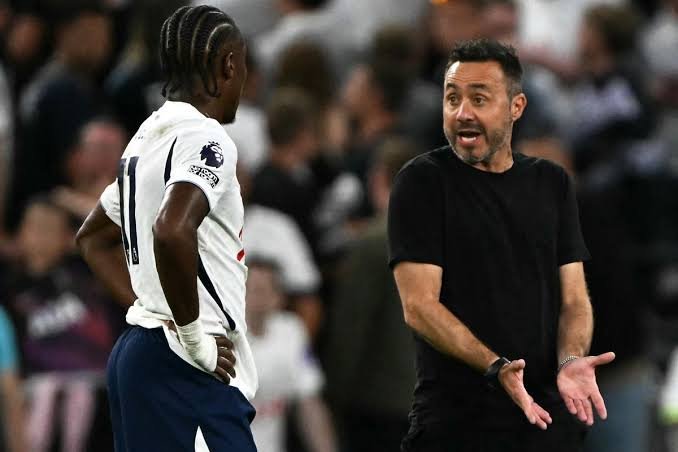
Spurs dominated large spells of the game, controlling territory and forcing Everton into deep defensive shapes. Yet, for all their build‑up play and wide overloads, the final ball too often lacked precision, and shots from distance failed to trouble the home goalkeeper. De Zerbi’s side created a handful of half‑chances inside the box, but none were clear enough to demand a high‑quality save. The result leaves Tottenham with a growing sense of frustration: they are playing well in phases, but not scoring enough to turn performances into wins.
Schwarzer’s criticism centered on the lack of clinical finishing and the failure to raise the intensity in key moments. “They had enough of the ball to win the game comfortably, but when it mattered, they didn’t produce,” he said. “That’s the difference between a good side and a great one.” For De Zerbi, the challenge now is to find a silver lining. He pointed to improved defensive organization and a higher press as signs of progress, but acknowledged that goals must follow if Spurs are to meet their own expectations. “We’re creating, we’re controlling games, but we’re not finishing,” he said. “That’s the next step.”
As the season progresses, the pressure will mount on Tottenham to convert dominance into points. For now, the message from the coaching staff is clear: trust the process, sharpen the final third, and let the results follow. But with each goalless draw, the margin for error shrinks, and the demand for a breakthrough grows louder.