

Roma’s return to relevance under Simone Gasperini is no fluke. It is the result of a deliberate, methodical rebuild that has turned the Olimpico into one of Europe’s most formidable grounds. The club’s resurgence—fueled by the signing of Donyell Malen and the emergence of a defensive unit anchored by Mile Svilar—has silenced the doubters who once dismissed Roma as a club in perpetual transition. Gasperini’s system, built on possession, pressing triggers, and tactical flexibility, has exposed the vulnerabilities of Serie A’s traditional giants. Even Inter, who won the title this season, found Roma’s midfield and backline a constant headache in the final stretch.
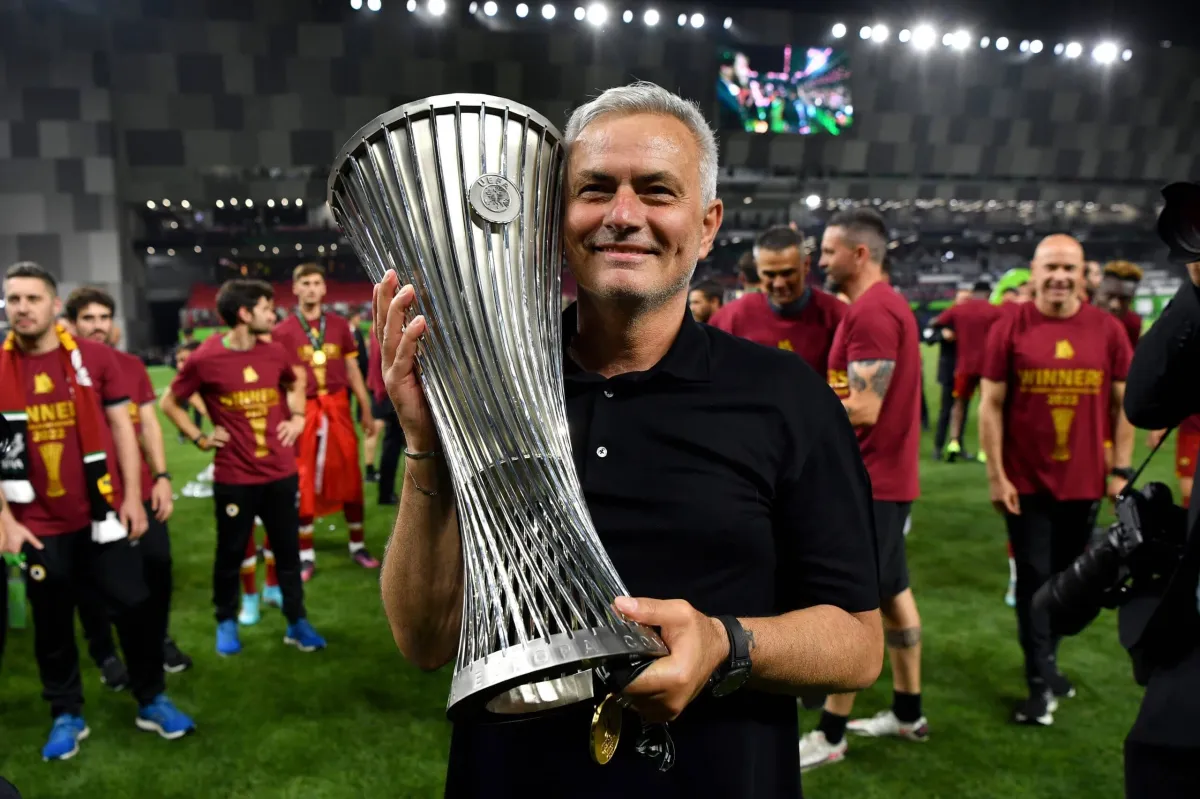
The contrast with José Mourinho’s tenure could not be sharper. When Roma finished as runners-up in 2021, it was on the back of Svilar’s heroics and a squad that played out from the back—a style Mourinho had long championed. Yet the results were inconsistent, and the club’s European ambitions remained unfulfilled. Gasperini, by contrast, has instilled a discipline that turns Roma’s young talent into a cohesive unit. Malen’s winter arrival wasn’t just a goal-scoring addition; it was a catalyst for a collective mentality shift. His 17 goals in the second half of last season didn’t just drag Roma into the title race—they proved that the club’s identity had finally aligned with its ambitions. The ultras’ next celebration won’t be for Mourinho’s tactical genius, but for a team that has learned to dominate without relying on individual brilliance alone.
Roma’s rise has come at the expense of Milan’s collapse and Juventus’ stagnation. Milan’s mid-season unravelling—losing seven of their final 14 games—left them in Europa League contention, while Juventus, despite a squad overhaul under Massimiliano Allegri, finished fifth, 12 points adrift of Inter. The Bianconeri’s Champions League campaign was particularly damning: 20th out of 36 teams in the group stage, followed by a humiliating 4-3 aggregate defeat to PSV. Even their recent form under Maurizio Sarri’s successor, Igor Tudor, hasn’t erased the damage. Roma, meanwhile, has capitalized on the chaos, their consistency in Serie A and Europa League qualifying them for the Champions League next season alongside Inter, Napoli, and Como. It’s a testament to Gasperini’s ability to turn potential into performance—something Mourinho’s final season never quite achieved.
The Olimpico’s atmosphere under Gasperini is no longer a relic of Mourinho’s era. The ultras’ support is now directed at a project with clear direction, one that understands the balance between attacking flair and defensive solidity. Svilar’s performances—often overlooked in Mourinho’s shadow—have become the bedrock of Roma’s success, while Malen’s creativity has redefined their midfield. The club’s future looks brighter than it has in years, with a squad that can genuinely challenge for the Scudetto and make a European impact. For the first time in a decade, Roma isn’t just a team with potential. It’s a team that has arrived.



