

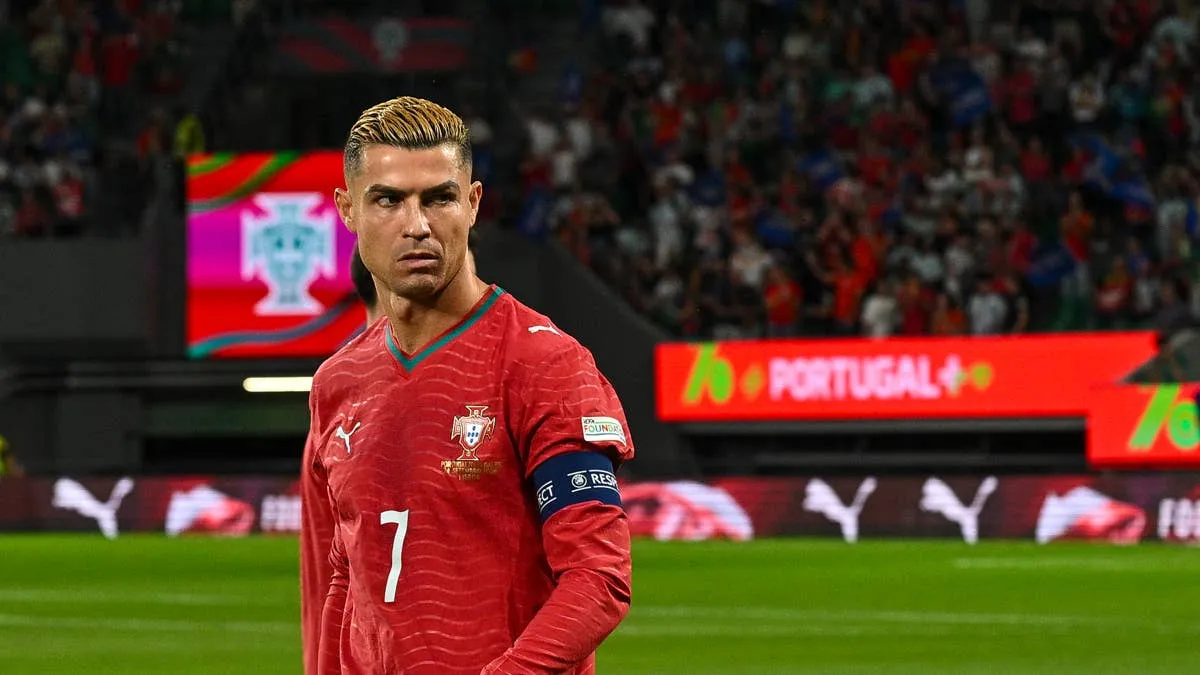
Ricardo Carvalho’s candid reflection on Portugal’s World Cup exit is a rare, unfiltered look at the pressures that defined Roberto Martínez’s final tournament in charge. The former assistant, now a respected voice on the game’s tactical intricacies, has laid bare what he sees as a critical miscalculation: the decision to keep Cristiano Ronaldo on the field for every minute of Portugal’s knockout-stage campaign. ‘He should not have played every minute,’ Carvalho stated bluntly, framing the issue not as a personal failing but as a systemic one—one that exposed the limits of Martínez’s system under the weight of a 34-year-old legend’s workload.
The criticism cuts to the heart of Portugal’s undoing. From the moment Ronaldo was introduced in the opening group-stage match against Germany, his role was clear: the fulcrum of a midfield that relied on his physicality, vision, and ability to dictate tempo. Yet as the tournament progressed, the strain became undeniable. In the round of 16 against Switzerland, his exhaustion was evident, his decision-making erratic. By the time Portugal faced Spain in the quarter-finals, his influence had waned, his recovery between matches insufficient to counter the relentless pressing of a younger, fresher side. Carvalho’s assessment aligns with the broader narrative of Ronaldo’s World Cup—one of diminishing returns, where his iconic status could not compensate for the tactical flaws that left Portugal exposed.
The tension between legacy and pragmatism was never more apparent than in Martínez’s final match. Against Spain, the manager’s reluctance to rotate Ronaldo, even in the face of clear fatigue, became a defining moment of the tournament. Carvalho suggests this was less about faith in the player and more about an inability to adapt. ‘Roberto had a system,’ he explained, ‘but systems fail when they cannot account for the human element.’ The result was a Portugal that played with the precision of a clockwork mechanism, its gears grinding under the weight of Ronaldo’s declining output. His final World Cup goal, a deflected effort against Ghana, was as much a symbol of his fading impact as it was a testament to his enduring skill.
What Carvalho’s comments reveal is the broader paradox of Ronaldo’s career: a player whose ability to transcend systems has also made him a liability when those systems no longer fit. From his early clashes with managers like José Mourinho to his more recent tensions with coaches like Erik ten Hag, Ronaldo’s relationship with authority has always been fraught. Yet in Qatar, the issue was not defiance but inevitability. At 34, his body could no longer absorb the same workload as it once did, and Martínez’s refusal to adjust—whether out of loyalty, tactical rigidity, or both—left Portugal without the flexibility to compete. The final whistle in Dallas was not just the end of a tournament; it was the moment when the limits of Ronaldo’s World Cup were exposed, and with them, the fragility of a system built on one man’s greatness.
For Carvalho, the lesson is clear: even legends cannot carry a team indefinitely. His critique is not an attack on Ronaldo but a necessary reckoning with the realities of modern football, where youth and adaptability are as crucial as individual brilliance. As Portugal’s World Cup ended in heartbreak, Carvalho’s words serve as a reminder that in the game’s most high-pressure moments, the best systems are those that can evolve—not those that cling to the past.



