Premier League clubs are replacing front-of-shirt gambling sponsors with technology, artificial intelligence, fintech and financial-services partners—and the early evidence suggests the commercial shift is increasing, rather than reducing, the value of shirt sponsorships.
The league’s voluntary prohibition on gambling and casino brands appearing on the front of match shirts took effect at the start of the 2026–27 season, following an agreement reached by clubs in 2023. Gambling brands may still appear on sleeves and training wear, but clubs have had to find new principal partners for one of their most valuable commercial assets.
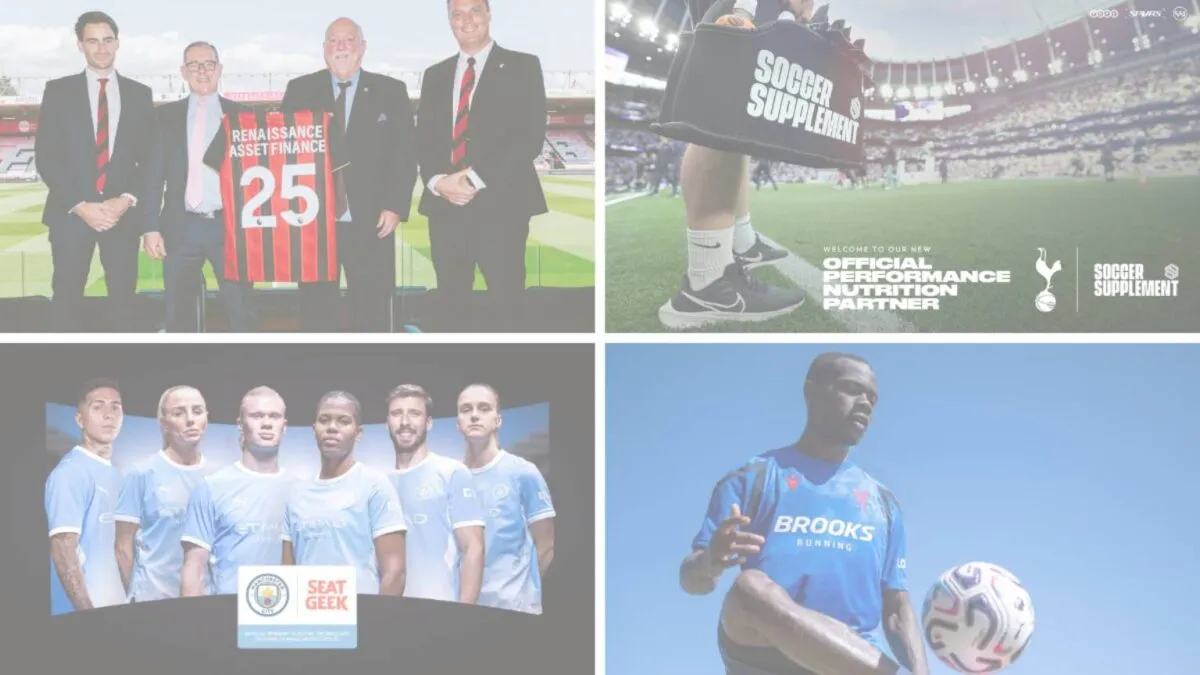
The replacement market has been led by digital and financial companies. Crystal Palace have partnered with AI and enterprise technology firm Temporal, Everton signed financial-services and trading platform CMC Markets, Nottingham Forest have agreed a deal with brokerage group Marex, and Chelsea have moved from a short-term industrial-AI arrangement with IFS to a front-of-shirt deal with stablecoin company Circle. The shift reflects the Premier League’s global reach: brands increasingly want year-round access to international digital audiences, not merely visibility during domestic match broadcasts.
The numbers support the idea that clubs have absorbed the gambling ban successfully. Front-of-shirt sponsorship income has risen 8% to £444 million for 2026–27, according to Ampere Analysis. The league collectively lost an estimated £67 million in front-of-shirt gambling deals, but replacement investments from other sectors totalled roughly £75 million. Gambling’s total Premier League sponsorship spending has nevertheless fallen by £92 million year on year, as betting companies shifted some activity to other assets but cut back overall.
This commercial performance sits within a much bigger financial advantage. Deloitte reported that Premier League clubs generated £2.4 billion in commercial revenue in 2024–25, an increase of £278 million, or 13%, from the preceding year. The so-called Big Six accounted for 73% of that total, illustrating both the league’s global pulling power and the concentration of commercial value among its biggest brands. Matchday revenue also surpassed £1 billion for the first time.
The financial regulations described in the original account require an important correction. The Premier League has not adopted a hard spending cap tied to a multiple of the broadcast income received by the lowest-earning club. That “anchoring” proposal—under which squad spending would have been limited to five times the central income received by the bottom club—was rejected by Premier League clubs.
Instead, clubs approved the Squad Cost Ratio system from 2026–27. It limits spending on player wages, transfer-fee amortisation, agents’ fees and related on-pitch costs to 85% of football-related revenue plus net profit or loss from player sales. Clubs can exceed that green threshold by up to 30 percentage points through a rolling allowance, but face a levy for doing so; exceeding the higher red threshold brings sporting sanctions, including points deductions.
The result is a Premier League commercial model with two competing pressures. Clubs are being encouraged to maximise international sponsorship, digital content and global partnerships because higher football revenue expands their permitted capacity to invest in playing talent. At the same time, the Squad Cost Ratio is intended to restrain unsustainable spending by tying squad expenditure more closely to each club’s own income.
The central commercial story, then, is not simply that gambling sponsors are disappearing. It is that Premier League clubs have found a new category of globally ambitious partners—AI infrastructure firms, payment companies, trading platforms, cryptocurrency businesses and sovereign-backed tourism brands—willing to pay heavily for access to the league’s worldwide audience. Whether that creates a more sustainable sponsorship ecosystem will depend on the durability of those sectors and on how carefully clubs manage the new financial rules.