

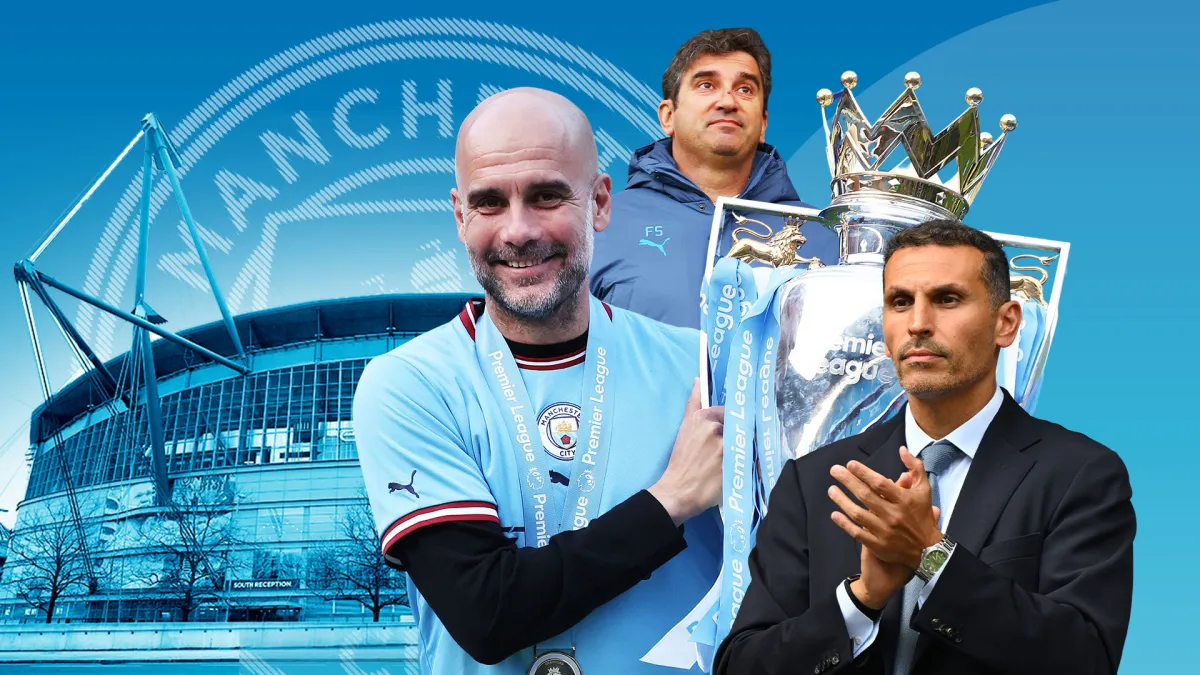
Pep Guardiola’s return to Manchester City’s Etihad Stadium for their Champions League clash with Paris Saint-Germain marks more than a tactical reset—it is a calculated statement of defiance. The 55-year-old, whose six-year tenure at the helm delivered four consecutive Premier League titles and a treble, has volunteered to spearhead the club’s public fightback against the damning verdict handed down by the Premier League’s independent commission. His presence in the stands on Wednesday, just days after City were found guilty of over 100 breaches of financial regulations spanning 2009 to 2018, signals a deliberate strategy: to reassert the club’s narrative in the face of mounting criticism.
The charges, which included allegations of systematic deception—such as the misrepresentation of the £67.5 million ‘sponsorship’ from Etihad Airways, where only £8 million was directly from the airline—have cast a long shadow over Guardiola’s legacy. Yet his response has been resolute. In a statement that echoed the club’s official rebuttal, he pledged unwavering support: *“I am, always have been, always will be, behind my club, my owner, my chairman, the players, staff, Enzo, and you, our unique supporters.”* The words carry weight not just as loyalty, but as a tactical maneuver. Guardiola’s reputation as a unifying figure—even after his departure last summer—positions him as the most credible voice to counter the narrative of institutional failure. His return to the Etihad, a venue where he once orchestrated some of the game’s most dominant displays, is a deliberate reminder of City’s historical dominance and the scale of the injustice they claim to have suffered.
The timing of Guardiola’s appearance is far from coincidental. It arrives as City prepares to lodge their appeal, a process that will demand both legal precision and public momentum. The club’s denial of all charges—reiterated in statements from both the board and supporters’ groups like The Citizens Trust—has framed the verdict as a miscarriage of justice. Yet the fallout extends beyond the pitch. The Premier League’s potential penalties—ranging from fines to points deductions—threaten to disrupt a club whose financial model has long been a blueprint for modern football. Guardiola’s involvement in the fightback is not merely symbolic; it is a recognition that the battle for perception is as critical as the legal one. His presence at the Etihad, where he once led City to historic victories, will be a silent counterpoint to the critics who argue his tenure was built on foundations now proven shaky.
What remains unclear is whether Guardiola’s return will be enough to shift the narrative. The club’s appeal hinges on irrefutable evidence, a claim that has yet to be substantiated publicly. Yet his return to the Etihad—even in a non-playing capacity—offers a tactical advantage. It places the club’s most recognizable figure in the heart of the action, where his influence can shape the conversation. For supporters, his presence is a reminder of City’s past glory; for opponents, it is a provocation. The clash with PSG, a team that has itself faced scrutiny over financial irregularities, will be watched not just for tactical merit, but as a test of City’s ability to reclaim the moral high ground. Guardiola’s return is not just a gesture; it is the first move in a campaign that will define the next chapter of Manchester City’s story.



