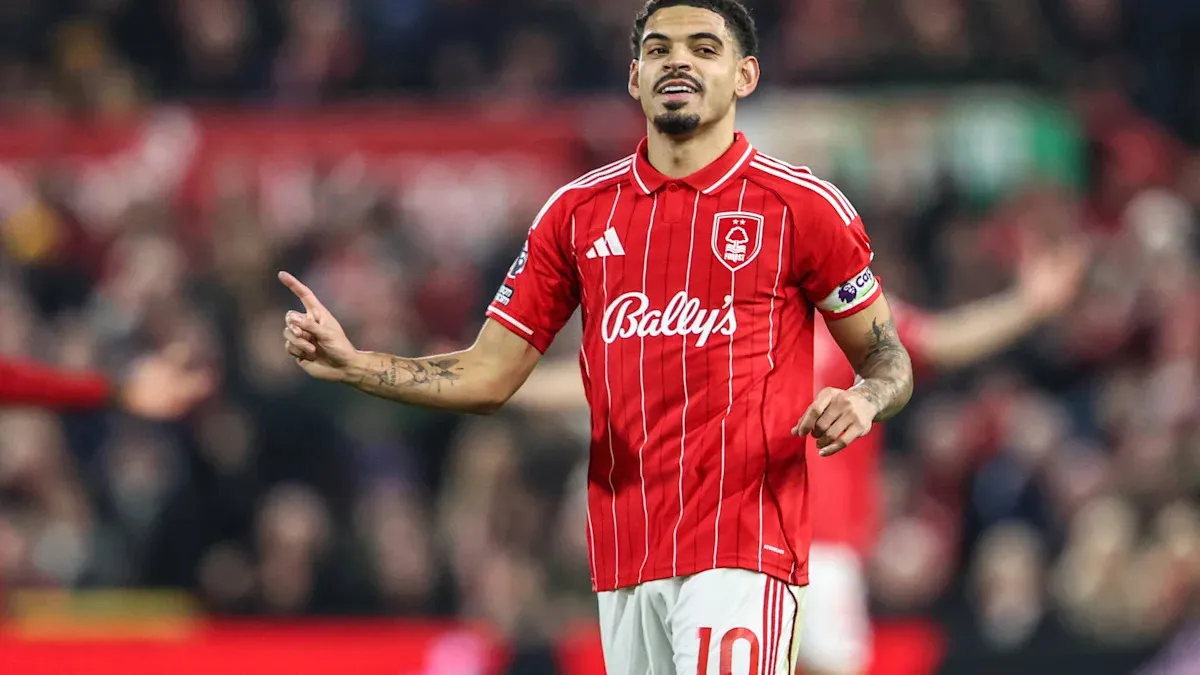
Morgan Gibbs-White’s name has become a recurring theme in Premier League transfer speculation, and the urgency behind the interest is no longer just idle chatter. Tottenham Hotspur’s pursuit of the Nottingham Forest midfielder has intensified, with reports confirming they are preparing a serious offer for the 2027 window—a signal that they believe they missed an opportunity in 2025. The reasoning is tactical: Spurs have assembled a squad with depth in attacking positions, but their midfield lacks the technical precision and positional intelligence Gibbs-White provides. In a league where possession-based systems demand control, his ability to operate as both a deep-lying playmaker and a progressive central midfielder makes him a rare commodity. The question now is whether Forest, who hold the upper hand in negotiations, will extend his contract to retain him or allow the market to harden around him.
The contract clock is the most critical variable. Gibbs-White’s current deal expires in January 2027, leaving Forest with a decision point in the coming months. An extension would secure his future at the City Ground, but it would also signal to suitors that the club is unwilling to part with him. Alternatively, Forest could choose to let the window open, knowing that Spurs’ persistence—and the growing interest from Newcastle United—will create a competitive environment. Newcastle’s recruitment team has already begun assessing Gibbs-White’s market value, with intermediaries gathering financial and tactical data to prepare for a potential mid-season move. The Magpies, under pressure to reinforce their squad around young talents like Matthias Jaissle, see him as a midfield anchor who could elevate their defensive structure while contributing creatively.
What makes this transfer scenario more intriguing is the contrast between the clubs’ approaches. Tottenham’s interest is rooted in long-term vision: they need a midfielder who can dictate tempo in a system that relies on possession. Newcastle, meanwhile, are reacting to a perceived gap in their squad, where Gibbs-White’s leadership and technical ability could provide the missing link. For Forest, the decision isn’t just about money—it’s about strategy. If they extend, they reinforce their squad’s core; if they don’t, they risk losing a player whose influence extends beyond statistics. His recent performances, including a free-kick display against Aston Villa and a composed presence in Chelsea’s recent defeat, have only reinforced his reputation as a player who thrives under pressure.
The timing of this speculation is far from coincidental. With the Premier League’s financial landscape shifting and clubs scrambling to address weaknesses, midfielders like Gibbs-White—who offer both defensive solidity and offensive creativity—are becoming the most sought-after assets. His ability to slot into different roles makes him a flexible solution for teams rebuilding their midfields. The challenge for Forest lies in balancing their financial interests with the player’s ambitions. If they opt for an extension, it will be a statement of confidence in his future at the club. If they don’t, the transfer market will decide his fate, and the clubs waiting in the wings—Spurs and Newcastle foremost—will be ready to pounce.
One thing is clear: Gibbs-White’s contract situation is no longer a quiet backroom discussion. It’s a ticking clock, and the decisions made in the next year will shape not just his career trajectory but also the competitive balance of the Premier League’s midfield. For now, Forest hold the leverage, but the longer they delay, the more the pressure will mount. The question isn’t whether he’ll leave—it’s when, and for how much.