

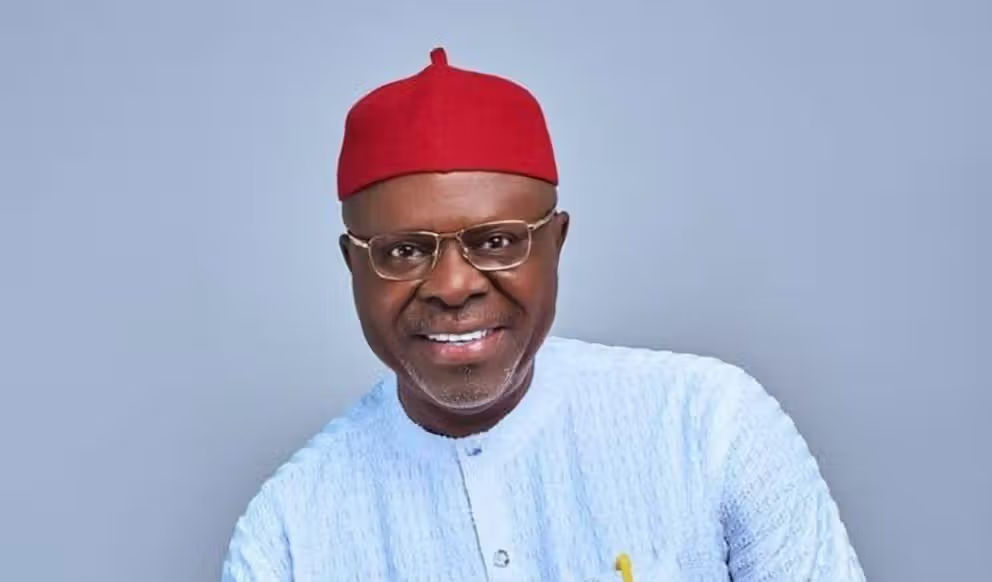
The football world’s governing body may soon face a fresh challenge to expand its global calendar—this time with a proposal for an Over-40 World Cup. Nosike Ogbuenyi, a former spokesman for Nigeria’s Federal Capital Territory Administration (FCTA), has submitted a formal request to FIFA through the Nigeria Football Federation (NFF), advocating for a tournament that would feature retired football stars aged 40 and above.
Ogbuenyi’s initiative comes at a pivotal moment in global football. Just weeks after Lionel Messi’s historic retirement, the call for a new competition underscores a broader conversation about the sport’s future. The proposed tournament isn’t merely a nostalgic exercise; it’s designed to address a critical gap in football’s development ecosystem. By providing a platform for veterans, the idea aims to keep elite players engaged while offering mentorship to younger generations. Ogbuenyi emphasized that many Nigerian footballers often fade into obscurity after retiring, and this competition could offer them a meaningful second act.
The proposal also addresses a practical need: a structured pathway for players transitioning out of professional football. Ogbuenyi argued that such a tournament would extend the visibility of football’s greatest talents, ensuring fans continue to witness their skill on the pitch. The former media aide to the FCT minister framed it as a way to ‘make the football-loving world continue to watch the best of all time on the field of play for a longer period.’ The timing aligns with FIFA’s ongoing efforts to diversify its competitions, though the governing body has yet to respond publicly to the suggestion.
Beyond the competitive aspect, the Over-40 World Cup could serve as a catalyst for grassroots football development. Ogbuenyi suggested that retired players could leverage their experience to coach, mentor, and inspire the next generation—bridging the gap between elite football and local communities. Nigeria, in particular, stands to benefit from such an initiative, given its rich history of producing world-class talent. The proposal reflects a growing recognition that football’s legacy isn’t confined to the prime years of players but extends into their later careers, where their wisdom and influence remain invaluable.
For now, the ball is in FIFA’s court. Whether the governing body adopts this idea—or adapts it—could redefine how the sport honors its legends while fostering new talent. One thing is clear: Ogbuenyi’s call has injected fresh energy into the debate over football’s future, proving that even after retirement, the game’s greatest voices still have something to say.



