

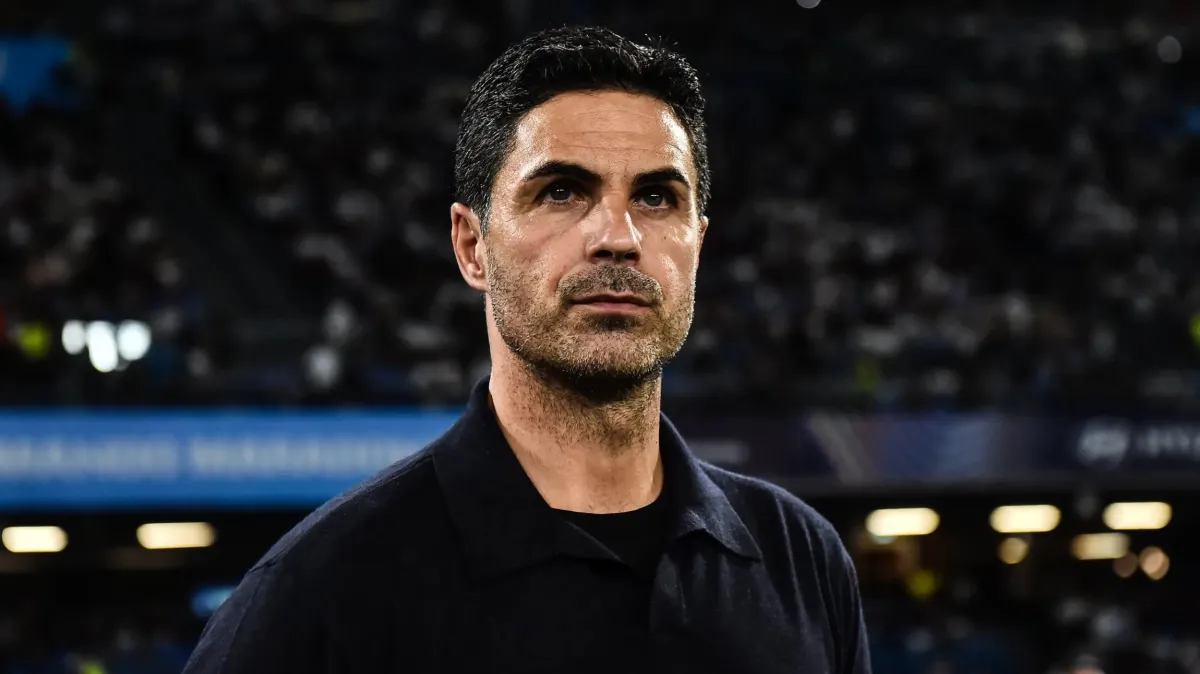
Mikel Arteta’s first day at Arsenal was not a quiet transition. It was a statement. In a move that would later become emblematic of his management philosophy, the Spaniard didn’t just enter the club’s training complex—he dismantled it. The room in question was the education centre, a space typically reserved for administrative work and player development. But Arteta, then 41, had other plans. He cleared the shelves, scattered the equipment, and turned the orderly space into a controlled chaos. ‘I just destroyed the office and put everything on the floor—the computers, the laptops, the cables,’ he later admitted. ‘Then bring everybody in.’
This wasn’t a spontaneous outburst. It was a calculated disruption. Arteta, who had spent years refining his tactical acumen at Barcelona and Arsenal, understood that leadership often required breaking the mould. His approach was never about maintaining the status quo; it was about forcing the club to adapt. The act wasn’t just symbolic—it was a test. Could Arsenal’s players and staff embrace the unpredictability he was bringing? The answer, over the next decade, would be resounding. By the time he extended his contract to 2030—a deal worth £80 million—Arteta had not only delivered a Premier League title but had redefined what it meant to manage a modern football club.
Arteta’s methods were never conventional. While other managers might have settled into familiar routines, he thrived on innovation. His use of speakers in training—blasting music before matches, creating an atmosphere that mirrored the intensity of the Emirates—was just one example. But the olive tree in his office? That was pure Arteta. Planted on his first day, the Mediterranean olive became a symbol of his vision: something organic, enduring, and deliberately placed in the heart of the club’s operations. It wasn’t just decor; it was a reminder that growth required nurturing, even in the most unexpected ways.
The chaos of that first day wasn’t just about aesthetics. It was about culture. Arteta understood that football is as much about psychology as it is about tactics. By disrupting the norm, he forced the club to confront its own inertia. The players who thrived under his leadership—from Bukayo Saka to Martin Ødegaard—did so because they were part of a system that rewarded adaptability. The title in 2023 wasn’t just a result of better players or smarter tactics; it was the culmination of a manager who refused to be constrained by tradition.
Now, with a contract extension that ties him to Arsenal until 2030, Arteta’s legacy is secure. But the story of his first day remains a microcosm of his entire tenure: bold, disruptive, and unapologetically his own. The room he destroyed that day was just the beginning. The club he would rebuild was something far greater.



