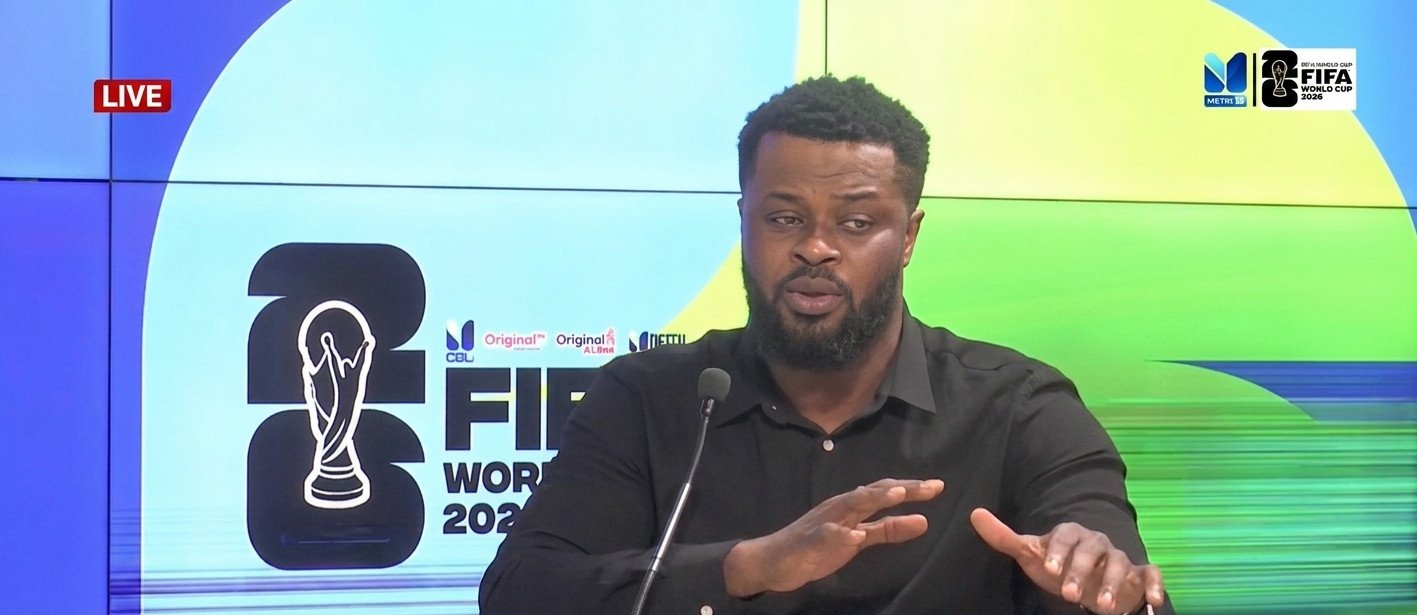
Jonathan McKinstry has never forgotten the sound of the whistle at the 2010 FIFA World Cup. Not because he was there as a player—he wasn’t—but because he was there as a witness, a young coach in Ghana watching Asamoah Gyan’s penalty miss against Uruguay unfold in real time. The moment, etched into the collective memory of African football, was replayed in his mind as he stood in the Right to Dream Academy in Old Akrade, the same place where his own love for the game’s raw, emotional battles began.
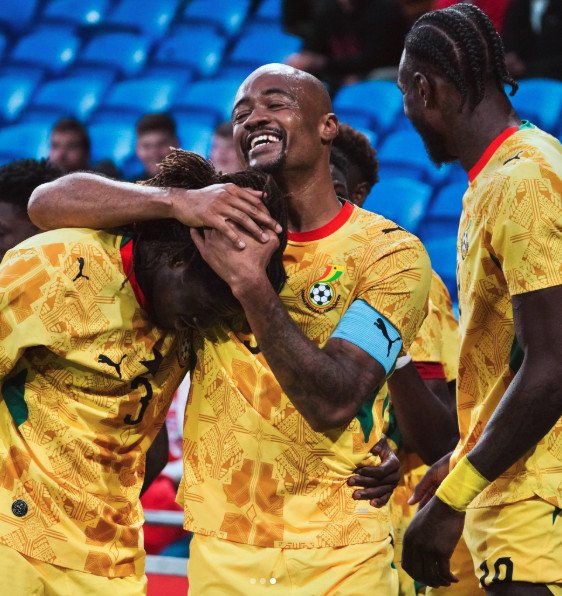
McKinstry’s revelation came after The Gambia’s dramatic 4-2 comeback victory over Ghana in their 2027 Africa Cup of Nations qualifier at Accra Sports Stadium. The Black Stars had led 2-0 through Ernest Nuamah and Felix Afena-Gyan, but The Gambia’s resilience—culminating in two second-half goals—erased the deficit and delivered a result that would haunt Ghana’s preparations for the continent’s biggest stage. For McKinstry, the victory wasn’t just about the result; it was a reminder of how quickly fortunes can shift in African football, a theme he’s lived through firsthand.
His connection to Ghana’s footballing history runs deeper than the 2010 penalty. McKinstry’s tenure at the Right to Dream Academy, a powerhouse of African talent development, placed him in the heart of Ghana’s footballing ecosystem. There, he saw Gyan’s brilliance firsthand—both his genius and his vulnerability under pressure. The 2010 World Cup quarter-final against Uruguay, where Luis Suárez’s handball on Dominic Adiyiah’s header led to a penalty shootout, became a defining moment for Ghana. Gyan’s miss sealed a heartbreaking exit, a loss that still resonates in Ghanaian football culture. McKinstry’s reflection on that day underscores how such moments shape not just individual careers, but the very identity of a nation’s team.
The irony of The Gambia’s victory over Ghana isn’t lost on McKinstry. A side that has historically struggled against African football’s heavyweights has now forced Ghana, a perennial contender, to confront their own fragility. The Black Stars’ defeat isn’t just a statistical blip; it’s a wake-up call. Former GFA Chairman Dr. Nyaho Nyaho-Tamakloe has since called for an overhaul of Ghana’s player development system, arguing that the Black Stars’ struggles reflect deeper structural issues. McKinstry’s comments, meanwhile, serve as a bridge between Ghana’s storied past and the uncertain future—one where even the most revered teams must now prove they’ve evolved beyond the ghosts of penalties missed and trophies unclaimed.
For now, the focus remains on the 2027 Africa Cup of Nations, where Ghana will need more than nostalgia to compete. The Gambia’s victory isn’t just a footnote; it’s a signal. And for McKinstry, who has spent decades navigating the highs and lows of African football, the lesson is clear: the game’s most painful memories are also its greatest teachers. Whether Ghana learns from them remains to be seen.