

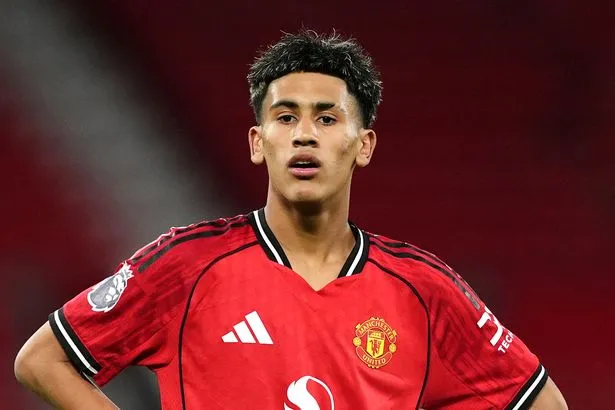
Manchester United’s handling of JJ Gabriel’s transfer saga has laid bare a truth about the club that stretches back nearly a century: the Red Devils do not compromise on their academy. Since 1937, United have maintained an unbroken record of fielding at least one academy graduate in every matchday squad—a tradition that speaks volumes about their commitment to nurturing homegrown talent. That principle, now tested by Gabriel’s demands, has once again proven its worth.
The club’s refusal to capitulate to his camp’s requests isn’t merely a tactical decision; it’s a tactical *philosophy*. United’s board and management have long understood that the academy isn’t just a pipeline for players—it’s the foundation of their identity. To surrender now would be to betray the thousands of youngsters who’ve come through the ranks, from Ryan Giggs to Marcus Rashford, all of whom were shaped by the same system Gabriel now seeks to exploit. The message is clear: loyalty is earned, not demanded.
Gabriel’s situation forces a broader conversation about the modern transfer market’s moral compass. Players today are increasingly treated as commodities, their loyalty measured in bank balances rather than years of service. United, however, have never operated on those terms. Their approach is rooted in the belief that great clubs are built on consistency, not short-term fixes. The academy’s survival isn’t just about winning trophies; it’s about preserving the soul of the club—a soul that has weathered financial crises, managerial upheavals, and even the occasional scandal.
What’s most striking about this stand is how seamlessly it aligns with United’s history. The club’s greatest eras—from the Busby Babes to Ferguson’s dynasty—were underpinned by homegrown talent. To abandon that now would be to abandon the very thing that makes United distinct in an era where clubs increasingly outsource their futures to the transfer market. The academy isn’t a luxury; it’s a necessity. And in a world where players like Gabriel expect to be traded like assets, United’s refusal to bend is a rare act of defiance—one that may ultimately prove more valuable than any single transfer fee.



