

Manchester United’s managerial crisis has reached a critical juncture. After securing just one victory in their last six Premier League fixtures—a run that includes a humiliating 4-0 defeat to Arsenal—Michael Carrick’s future at Old Trafford is now openly debated within the club’s hierarchy. The pressure is not merely tactical; it is existential. United’s board, led by the INEOS ownership, has long tolerated underperformance, but the gap between ambition and reality has widened to the point where contingency plans are being finalized.
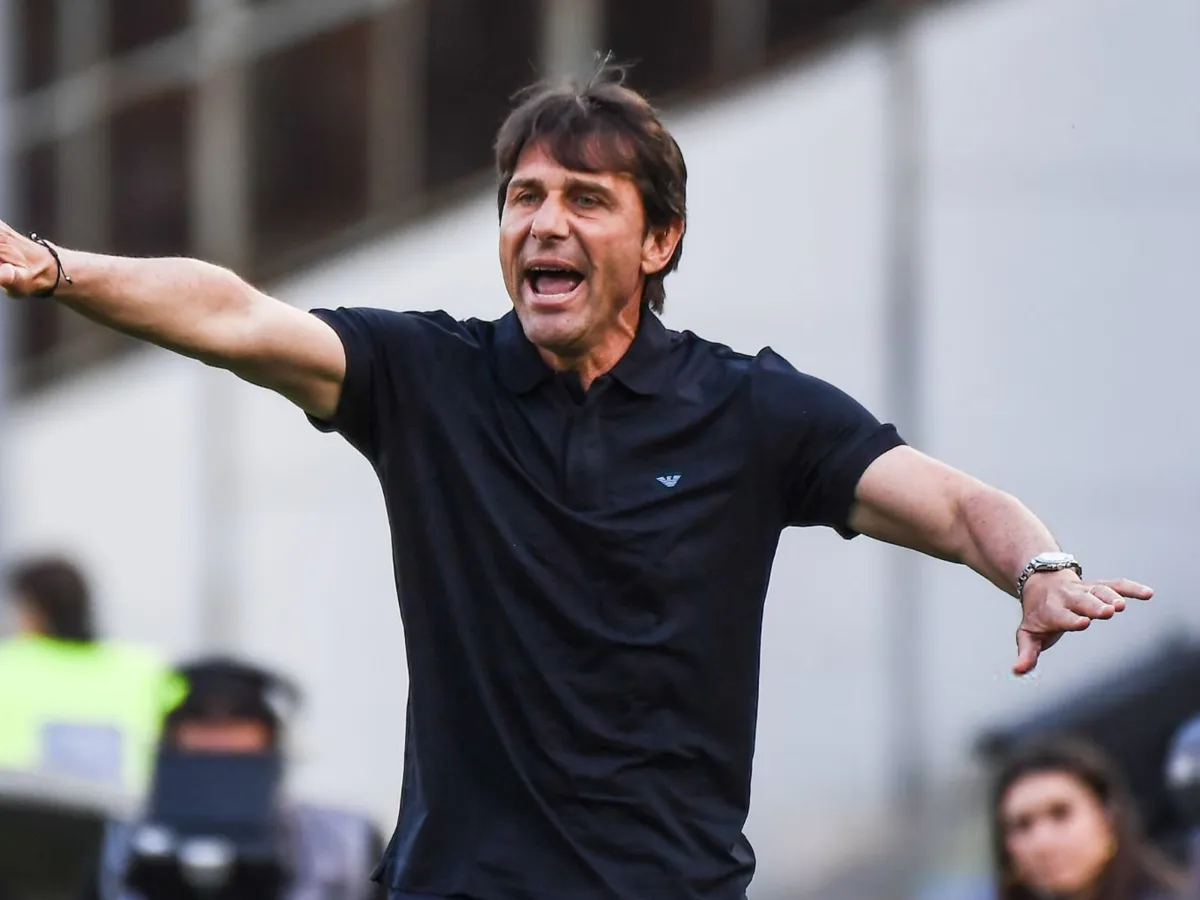
At the top of those plans stands Antonio Conte. The former Chelsea and Juventus manager, whose 2017 Premier League triumph remains one of the most dominant seasons in modern football, has been identified as the club’s preferred candidate. Conte’s name has not just entered the conversation—it has become the focal point. An Italian analyst described him as ‘the only coach in the world with a better chance of making United win immediately,’ a claim rooted in his ability to restructure defensive systems and instill a winning mentality. His recent tenure at Napoli, where he led the club to a Serie A title, further reinforces his reputation as a tactician who can deliver results when others falter.
The timing of Conte’s potential move is critical. While United have signaled they will afford Carrick additional time to stabilize the squad—October and early November could be decisive—rumors suggest negotiations with Conte could begin as early as this week. The Italian has made no secret of his interest in a return to the Premier League, particularly to a club with ‘somewhat lost sight of its history.’ United, with their storied past and current struggles, fit that description perfectly. Conte’s demand for a clear mandate—one that prioritizes defensive solidity and structural overhaul—aligns with the club’s immediate needs.
Yet the path to Old Trafford is not guaranteed. Conte has stated he would only accept a role if the club is committed to a long-term vision, not merely a quick fix. His preference for a ‘tight ship’ mentality clashes with United’s recent tendency toward tactical fluidity, a trait Carrick has struggled to suppress. If Conte were to join, his arrival would mark a seismic shift—not just in how the team plays, but in how the club approaches its identity. For a franchise that has long prided itself on its attacking ethos, embracing Conte’s defensive-first philosophy would be a radical departure.
The clock is ticking. Carrick’s tenure is no longer a matter of months but of weeks. If United’s next match against Liverpool fails to signal a turnaround, the writing on the wall will be undeniable. Conte’s name will no longer be a rumor—it will be the only viable solution left. The question now is whether the club is willing to take the leap before it’s too late.



