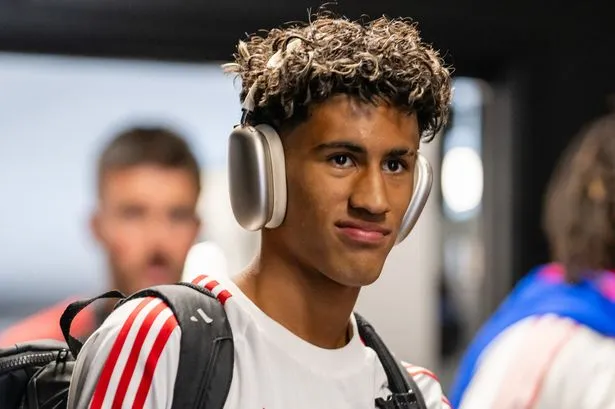
The JJ Gabriel saga at Manchester United has escalated into a full-blown crisis, forcing interim manager Michael Carrick to abandon his initial midfield blueprint and confront the reality that his squad’s future may hinge on a 16-year-old’s stubbornness. The teenager’s representatives have made it clear: no compromise on his demand for guaranteed Champions League minutes, no registration cancellation, and no delay to his departure. United’s refusal to terminate his contract—despite his absence from Carrington for three weeks—has left the club in an untenable position, with Barcelona and Real Madrid now locked in discussions over his signature. The irony is biting: a player who scored a hat-trick in the Youth League against Sabah, a side United defeated 6-0, is now being treated as a liability rather than an asset.
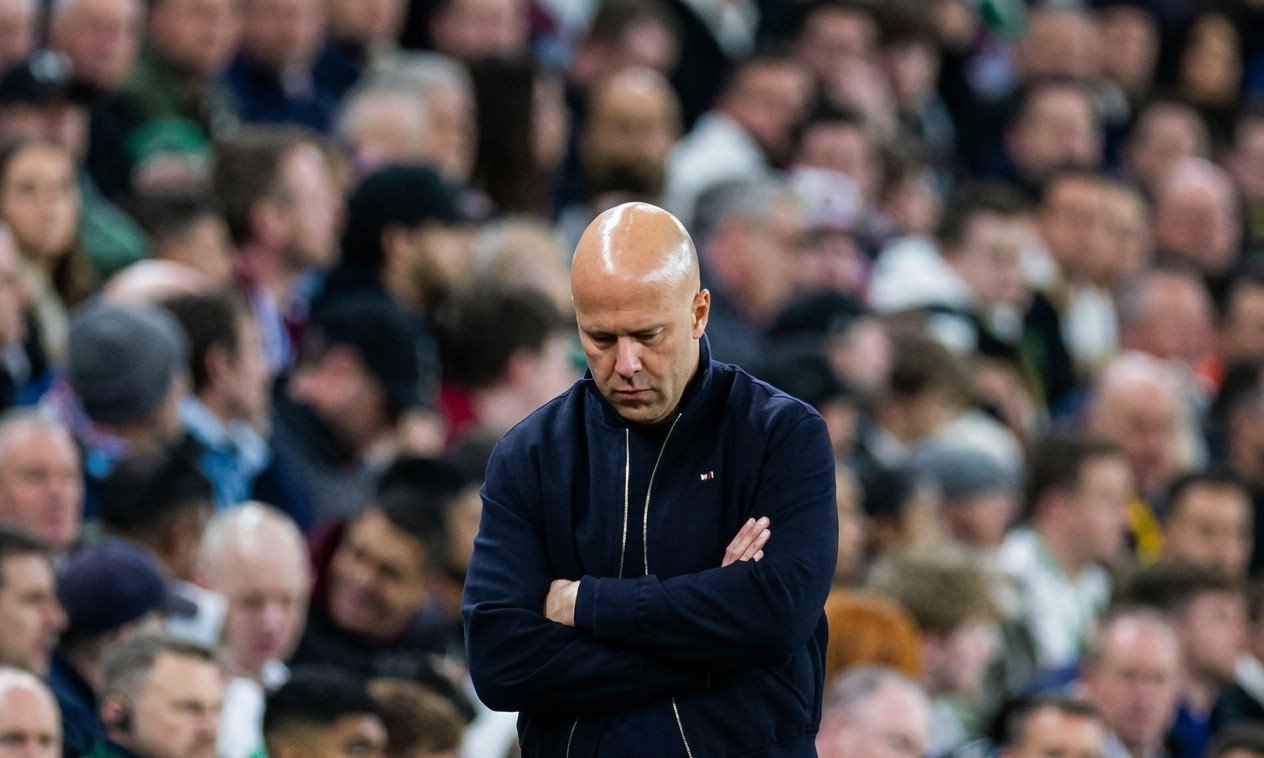
Carrick’s public hints about rotating Bruno Fernandes—already a fixture in the starting XI—reveal the depth of the problem. The interim manager’s admission that Fernandes’ workload must be managed to preserve fitness signals a broader tactical realignment, one that may now include marginalizing Gabriel’s position entirely. The teenager’s training in Castelldefels, under a private coach while Barcelona publicly ruled him out, underscores the urgency of the situation. United’s scholarship contract offer—a last-ditch attempt to retain him—has fallen on deaf ears, with Gabriel’s representatives insisting on a full exit. The club’s legal threats, once a bluff, now appear increasingly credible as the summer deadline looms.
Bayern Munich’s reported inability to meet Gabriel’s salary demands has removed one potential savior, leaving Real Madrid as the sole serious contender among Europe’s elite. Yet even Madrid’s interest may not be enough to sway the teenager, whose frustration with United’s development model has hardened into a demand for immediate recognition. The breakdown stems from a single, fateful night before the Brighton game, when Gabriel’s representatives demanded his senior debut against Sabah—a request United ignored. That decision, now seen as a miscalculation, has left the club scrambling to salvage a situation where a wonderkid’s ambition has outpaced the club’s willingness to adapt.
The implications stretch beyond Old Trafford. Gabriel’s potential exit would mark a failure of United’s youth system, one that has long struggled to transition academy talent into the first team. His departure could embolden other young players to push for similar concessions, creating a precedent that undermines the club’s ability to retain future stars. For Carrick, the challenge is twofold: rebuild the midfield without Gabriel’s influence and prevent the fallout from damaging the squad’s cohesion. The coming weeks will determine whether United can extract a compromise—or if they must accept the cost of losing a player who, just months ago, was still seen as their future.