

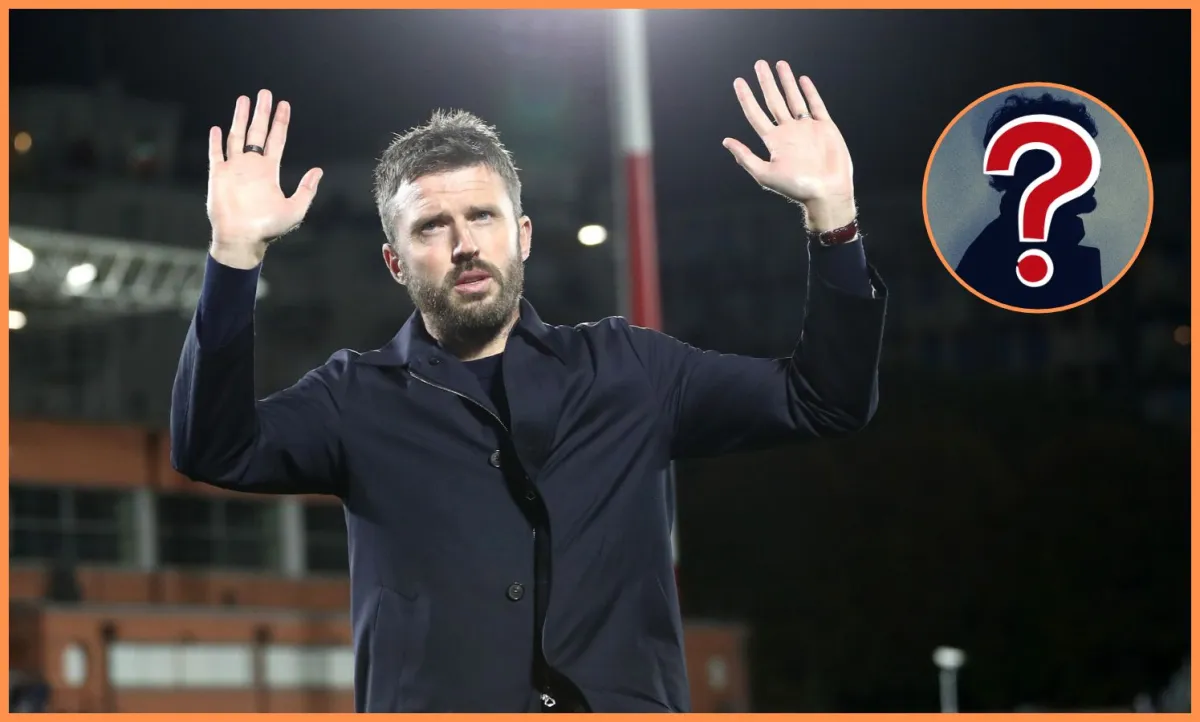
Manchester United’s pursuit of Brighton manager Fabian Hurzeler has been dealt a fatal blow—not by the Seagulls’ reluctance to sell, but by the sheer scale of the fee required to pry him from his contract. Hurzeler’s two-year extension, signed in May and running until June 2029, has transformed him into a managerial prize with a price tag that dwarfs anything seen in the Premier League. The club’s financial constraints, already stretched by a summer that yielded little in return for their third-place finish, now make a transfer of this magnitude a near-impossibility. Even if United were to secure Hurzeler’s services, the tactical and cultural shift he would demand would require a level of investment in personnel and philosophy that Carrick’s regime has thus far resisted.
The timing could not be worse. With Manchester United’s season spiraling into a six-match winless streak across all competitions—culminating in a 4-1 Champions League humiliation at Como—Carrick’s authority has been eroded beyond repair. The defeat exposed not just tactical failings but a systemic breakdown in decision-making, from the bench to the dressing room. Bruno Fernandes, the team’s creative linchpin, publicly questioned the staff’s reluctance to adopt a high-pressing system under pressure, a critique that resonates with the frustration of a squad starved of results. Carrick’s ability to navigate this crisis is now the single most critical variable in United’s quest to avoid relegation. If he is dismissed, Hurzeler’s arrival becomes a moot point; if he remains, the club’s pursuit of a managerial overhaul would force a choice between immediate stability and long-term ambition.
Brighton’s own trajectory complicates matters further. Hurzeler’s side has defied expectations, recovering from a 2-0 deficit to eliminate United in the Carabao Cup with a 3-2 victory at Old Trafford in September—a result that underscored the Seagulls’ tactical sophistication and resilience. Yet even this achievement may not be enough to sway Hurzeler’s loyalty. Reports indicate Brighton’s board remains unperturbed by interest, having received no formal inquiries from other clubs. The message is clear: Hurzeler is not for sale, and his contract reflects that. For United, this means either accepting a managerial transition without their preferred candidate or embarking on a costly and risky pursuit that could further destabilize an already fractured squad.
The ripple effects extend beyond the managerial search. Lisandro Martínez’s public criticism of the club’s summer transfer window—followed by his abrupt substitution against Leeds—highlighted the fractures within the dressing room. Martínez’s apology was performative at best, and his exclusion from the starting XI against Atlético Madrid (where he was replaced by Noussair Mazraoui) signaled a deeper discontent. The Red Devils’ hierarchy must now confront not just the tactical void left by Carrick but the erosion of trust among their most expensive players. Hurzeler’s arrival, if it were to happen, would not merely be a managerial change—it would be a cultural reset, one that requires unity and belief from a squad that has lost both.
For now, Manchester United’s options are limited to damage control. The pursuit of Hurzeler is dead on arrival, leaving the club to either cling to Carrick’s leadership or appoint an interim solution from the ranks of Julian Nagelsmann or Antonio Conte—both of whom have been floated as potential successors. The financial and tactical realities have conspired to create a paradox: United need a revolution, but the resources to fund it are absent. The season’s collapse at Como was not just a defeat; it was a warning. The question now is whether the club can survive the winter without answers—or if the next chapter will be written in relegation rather than redemption.



