

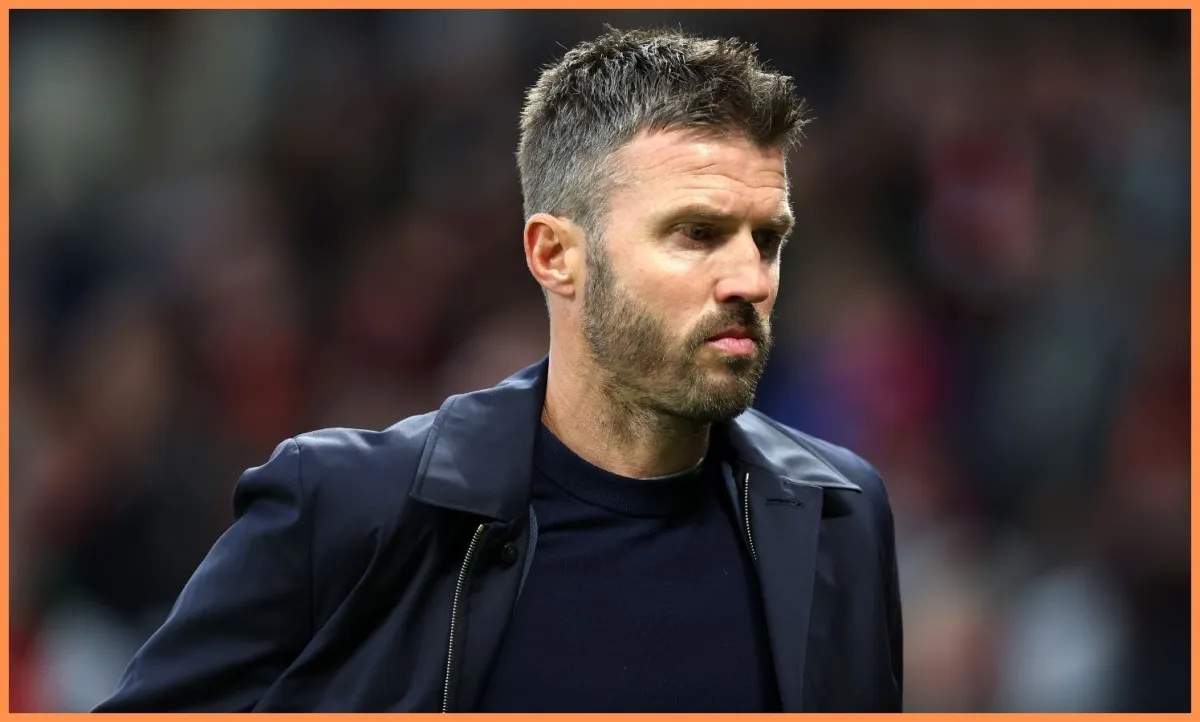
Manchester United’s board has made a decisive yet controversial choice: Michael Carrick will remain in charge despite another humiliating collapse at Old Trafford. The 1-1 draw with Tottenham Hotspur—who entered the game winless and left with a single point—was a microcosm of the Red Devils’ season so far. Bryan Mbeumo’s opener in the 73rd minute offered a fleeting glimmer of hope, but five minutes later, Rodrigo Bentancur’s violent conduct sent Spurs into a 10-man finale. The hosts’ subsequent defensive lapses, including a late equaliser by Dominic Solanke, exposed the depth of United’s struggles. With just six points from six games—a statistical low not seen in the Premier League since the 1980s—the club’s hierarchy has faced an immediate reckoning.
The decision to retain Carrick, however, is not without its risks. INEOS, the club’s owners, have signaled no immediate change in leadership, but the optics are undeniable. United’s physical inferiority was stark: Tottenham covered 5,000 meters more than their hosts, a margin that underscored the Red Devils’ inability to compete in the most basic aspects of the game. The self-inflicted nature of the defeat—from Bentancur’s sending-off to the defensive breakdowns—has left fans and pundits alike questioning whether Carrick’s tactical approach can adapt to a squad in disarray. Former United captain Gary Neville, in his post-match analysis, described the performance as ‘a worrying day,’ a sentiment echoed by the club’s own players, who have struggled to find consistency since the summer transfer window.
The stakes could not be higher. United’s 12th-place position in the Premier League table is a reflection of a campaign that has already spiraled into crisis. The club’s failure to capitalize on Bentancur’s dismissal—when Spurs were reduced to 10 men—highlighted a systemic issue: a lack of composure under pressure. Lisandro Martínez’s embarrassing defeat at the hands of Solanke, compounded by Senne Lammens’ inability to clear the ball, exposed defensive vulnerabilities that have plagued the side all season. Carrick’s ability to address these flaws will now be the sole measure of his tenure, but the path forward is fraught with skepticism. The board’s decision to wait before making a move suggests a cautious approach, yet the longer-term implications remain uncertain.
What is clear is that the pressure on Carrick is now existential. The manager’s reputation, built on a career that included a Premier League title with Manchester City, is being tested by a squad that has failed to deliver in the most basic of situations. The draw against Tottenham was not just another setback; it was a reminder of the chasm between United’s ambitions and their current reality. With the transfer window closed and no immediate reinforcements on the horizon, the onus falls squarely on Carrick to turn the tide. The question is whether he can do so before the club’s hierarchy loses patience—or before the fans, already restless, demand answers.
For now, INEOS has chosen stability over change, but the clock is ticking. The Premier League’s winter break offers a brief respite, but the return to action will bring fresh scrutiny. United’s next match will be a test not just of Carrick’s tactics, but of his ability to inspire a team that has lost its way. The decision to stand by him is a gamble, one that could either salvage a season or accelerate the inevitable. Either way, the Red Devils’ future hinges on a single, unanswered question: Can Michael Carrick deliver when it matters most?



