

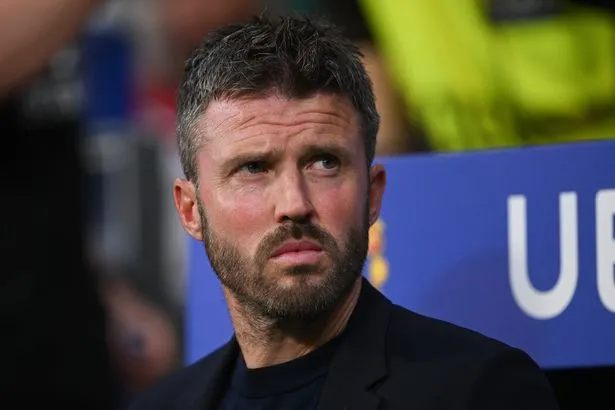
Manchester United’s boardroom is once again a battleground, but this time the stakes are higher than ever. The club’s leadership is fractured over the future of manager Michael Carrick, a man whose survival has been precarious since the moment he took charge in October 2024. Internal divisions have never been more exposed, with whispers of a potential successor already circulating—though none have been confirmed. The board’s reluctance to commit to a long-term plan, combined with a track record of dismissing managers mid-season (Erik ten Hag in October 2024, Ruben Amorim at the start of 2026), has created an environment where loyalty is a liability.
Carrick’s position has been further weakened by the club’s recent struggles, particularly in the Premier League. The pressure is not just tactical but structural: the board’s preference for short-term fixes over sustained leadership has left players like Lisandro Martínez and Bruno Fernandes questioning the club’s direction. Martínez’s recent public criticism of the hierarchy—followed by a rare apology—highlighted the growing frustration among the squad. Yet even his measured response did little to ease tensions, as the board remains fixated on the idea that instability at the top is the only way forward. The irony is biting: a manager who delivered Champions League qualification last season is now being measured by a standard of perfection that no predecessor has ever met.
Behind closed doors, the board’s internal debate is sharp. Sources indicate that Christian Hurzeler, the Brighton manager, has emerged as their ‘standout’ candidate should Carrick be dismissed—a choice that would signal a return to the ‘big-name’ approach United has favored in recent years. But Hurzeler’s appointment would not be without controversy. His tenure at Brighton has been marked by inconsistency, and his record in the Premier League is far from flawless. The board’s preference for a high-profile hire over a proven midfield architect like Carrick suggests they are prioritizing image over pragmatism—a gamble that could backfire if the club’s on-field struggles persist.
The fallout from this internal strife extends beyond the manager’s office. Players are already sensing the instability, with collective unity cited as the club’s biggest weakness. Bruno Fernandes’ recent decision-making under Carrick’s guidance has drawn criticism from pundits like Gary Neville and Jamie Carragher, who argue that the squad’s inability to function as a unit is a direct result of the board’s indecisiveness. The message is clear: if United cannot settle on a manager, how can they expect their players to perform at the highest level? The answer, for now, remains uncertain—but one thing is clear: the board’s next move will not just define Carrick’s legacy, but the future of Manchester United itself.
What remains to be seen is whether the club will finally embrace stability—or if another managerial revolution will be the price of their next failed season.



