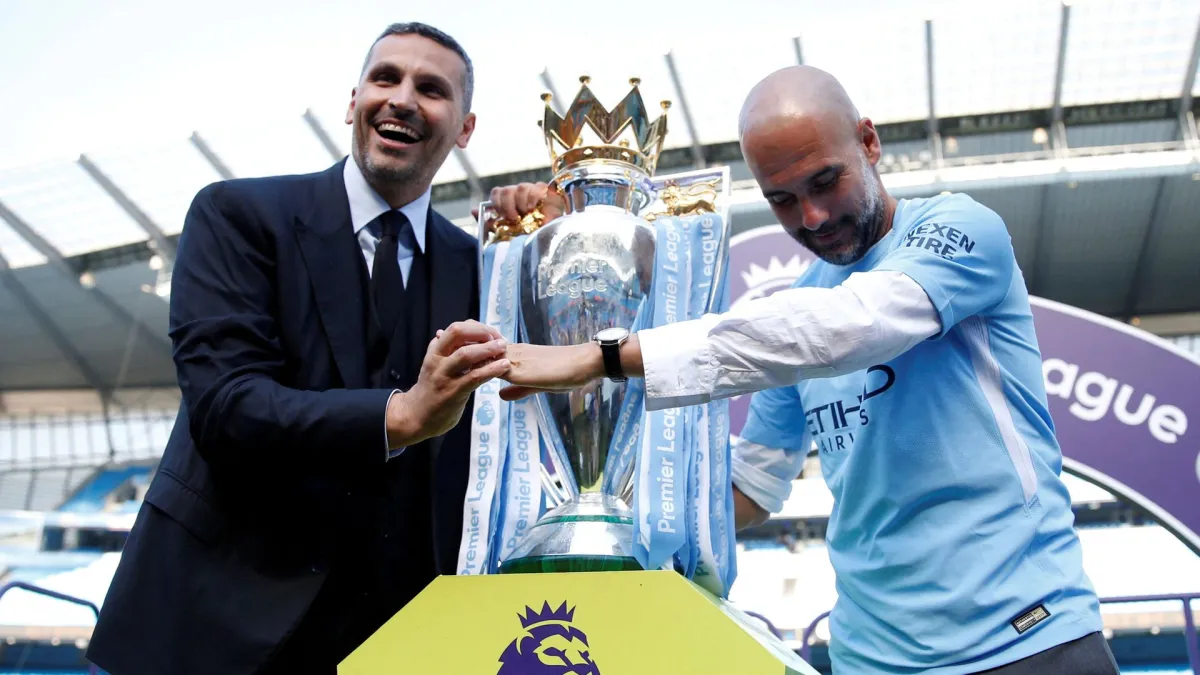
The verdict has come, the charges have been tallied, and Manchester City’s Khaldoon Al Mubarak is now the central figure in a storm that refuses to stay confined to the Premier League’s disciplinary committee. Reports confirm that an independent tribunal has found the club guilty of the majority of the 115 breaches it faced, though the full extent of the penalties remains unclear. Al Mubarak, however, has not wavered in his resolve. In a message to supporters, he reaffirmed the club’s commitment to proving its innocence, insisting the process ‘still has a long way to run.’ His words carry weight—not just as a football chairman, but as a high-ranking UAE official whose diplomatic status could shield him from further scrutiny.
Al Mubarak’s role extends beyond the club’s boardroom. Just 11 days before the ruling, he met with UK Business Secretary Jonathan Reynolds in Downing Street, discussing UAE investments in Britain. The meeting, held in his capacity as CEO of Mubadala Investment Company—not as City chairman—covered defense, security, and trade, according to reports. While no mention was made of the Premier League case, the timing is impossible to ignore. The chairman’s dual influence, straddling both the football world and the UAE government, has already drawn scrutiny from regulators. His diplomatic immunity, granted by the UK in 2020 as a ‘Counsellor (Economic),’ could further complicate any legal or financial repercussions, leaving the club’s future in limbo while the appeals process unfolds.
For Manchester City’s players and staff, the fallout is immediate. The club’s financial irregularities—allegedly spanning years—have cast a shadow over a decade of dominance, from Pep Guardiola’s trophies to the Etihad’s transformation into a global brand. Yet the broader implications stretch beyond the pitch. The Premier League’s ruling has reignited debates about transparency in football finance, while Al Mubarak’s political connections have placed the UAE’s economic ties with Britain under renewed scrutiny. The Serious Fraud Office may yet intervene if evidence emerges of deliberate account falsification, though the club denies any wrongdoing. For now, the focus remains on the appeals—where Al Mubarak’s diplomatic clout could prove as decisive as any legal argument.
The chairman’s defiance is matched by the club’s resilience. With 348 appearances for City under his tenure, Joe Hart—now a pundit—has publicly backed Al Mubarak’s leadership, calling him a figure to ‘trust.’ Yet even Hart’s endorsement cannot erase the scale of the charges. The tribunal’s findings, if upheld, would mark a seismic shift in football governance, forcing a reckoning with how clubs like City operate at the intersection of sport, politics, and finance. The next chapter will test whether Al Mubarak’s influence can shield the club—or if the Premier League’s ruling will reshape the game’s future.