

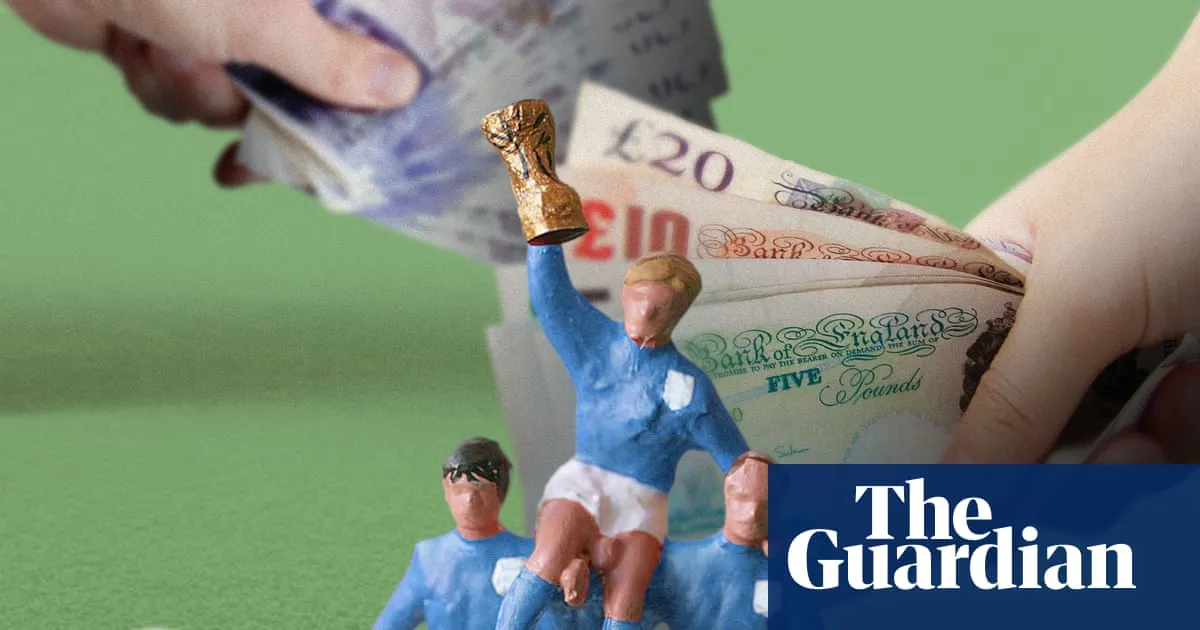
The verdict against Manchester City has not only delivered a legal rebuke to the club but also exposed the rot at the heart of football’s corporate revolution. The 40-page ruling confirmed what critics had long suspected: City’s financial dominance was built on ‘sham’ contracts designed to artificially inflate revenue by £900 million. The timing could not have been more pointed. Delivered during the Labour Party conference, where Andy Burnham’s speech framed Britain’s economic trajectory as a series of misguided turns, the ruling served as a stark counterpoint to the sport’s own trajectory under foreign ownership.
The findings force a reckoning with the consequences of football’s great sell-off. While the Premier League has long positioned itself as a global commercial powerhouse, the ruling reveals how that success was constructed on questionable foundations. The ‘sham’ contracts—where players were allegedly paid through shell companies to manipulate financial statements—undermine the very narrative of transparency that the league has used to justify its dominance. It is a problem that extends beyond Manchester, raising questions about the integrity of the entire financial model that has seen clubs like Chelsea, Liverpool, and Arsenal follow a similar path of foreign investment.
The political resonance of the ruling cannot be ignored. Andy Burnham’s speech, which framed Thatcherism as a turning point for Britain’s economy, now sits alongside this verdict as a reminder of how unchecked capitalism can distort institutions. Keir Starmer’s leadership, which has sought to distance Labour from the more radical left-wing rhetoric of the Socialist Campaign Group, now faces pressure to address how these corporate practices have reshaped football—and by extension, British society. The ruling suggests that the game’s elite have operated with impunity for too long, and the consequences of that impunity are now being laid bare.
For Manchester City, the fallout is immediate. The club’s financial standing—once a model of stability—now hangs in the balance. The £900 million in artificial revenue will need to be repaid, and the reputational damage could further isolate the club from domestic fans already disillusioned by the sport’s globalised direction. Yet the ruling’s broader impact may be even more significant. It forces a conversation about whether football’s future should be built on corporate acquisition or reinvestment in the game’s grassroots. The answer will determine whether the Premier League’s dominance is sustained—or if this verdict marks the beginning of a long-overdue reckoning.



