

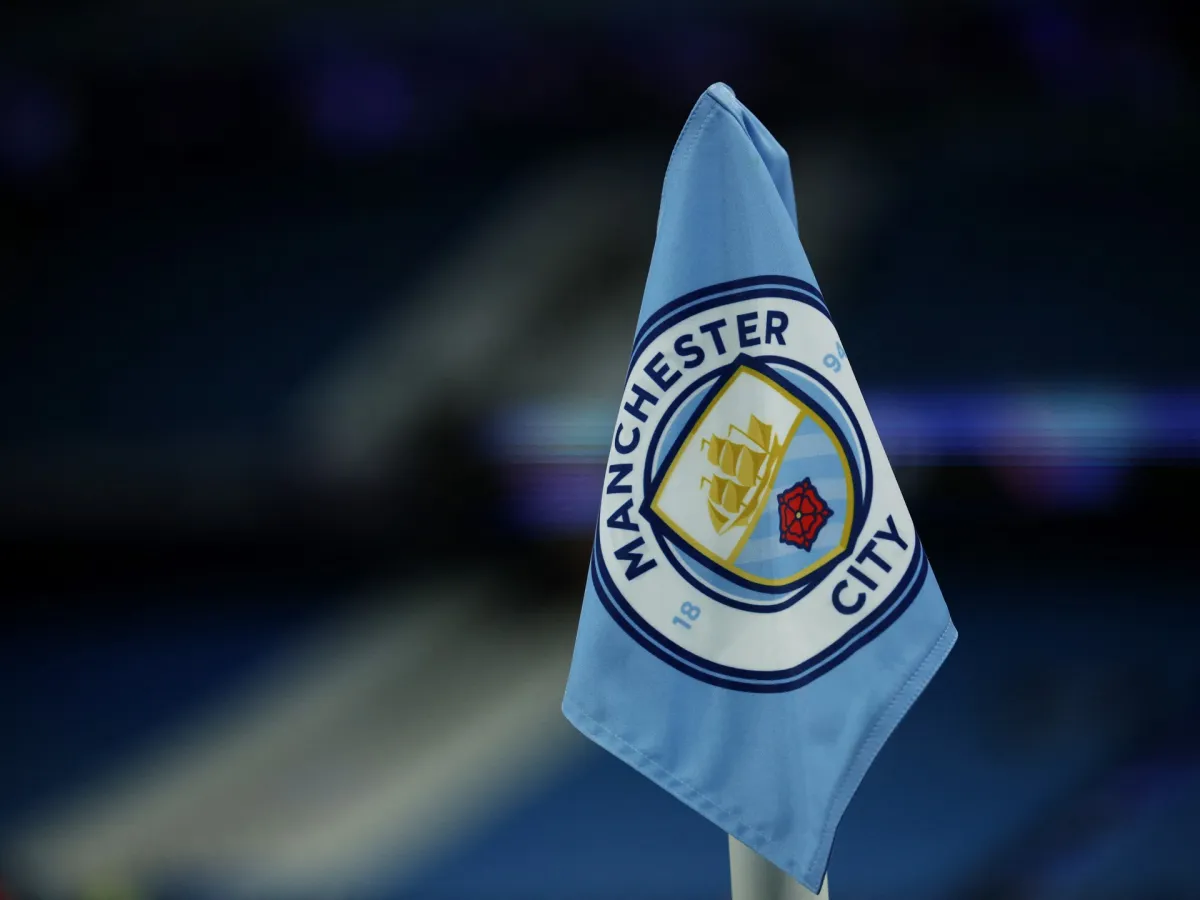
The Premier League’s independent commission has delivered a verdict that will reshape the landscape of English football for years to come. Manchester City were found guilty of all but one charge in a sweeping investigation into financial irregularities spanning from 2009 to 2018, with the panel confirming the club’s reliance on sham agreements to artificially inflate revenues and conceal costs. The ruling—delivered after three and a half years of legal and regulatory scrutiny—marks the culmination of a saga that began with whistleblower revelations and escalated into a full-scale inquiry. The consequences could now include points deductions, transfer embargoes, or even relegation, though City’s management has vowed to contest the decision through every available legal avenue.
The fallout has been immediate, with rival clubs and former players seizing the moment to reflect on the broader implications. Gary Neville, a former Manchester United captain, described the situation as a ‘disgrace,’ arguing that the Premier League’s reputation—once its greatest global asset—is now being ‘dragged through the mud.’ His sentiment resonates across the footballing world, where the league’s prestige has long been tied to its competitive integrity. United’s legacy campaigns, particularly the 2011-12 title race lost on goal difference, have been revisited in light of City’s alleged financial manipulation, while Liverpool supporters are recalling the razor-thin margins of their own title victories in 2018-19 and 2021-22. The specter of retrospective scrutiny now looms over those trophies, raising uncomfortable questions about the fairness of past competitions.
City’s response has been predictably defiant. In a statement, the club reaffirmed its ‘innocence’ and pledged to present a ‘comprehensive body of irrefutable evidence’ in its appeal, a strategy that has defined its approach since the initial charges were filed in 2023. The club’s legal team has already secured a victory against UEFA in a similar case, suggesting confidence in overturning the Premier League’s decision. Yet the scale of the breaches—114 out of 115 charges—underscores the severity of the allegations, including accusations of false witness testimony and deliberate obstruction of the investigation. The panel’s report noted that ‘a number of important club witnesses gave false evidence in key respects,’ a detail that could prove pivotal in the appeal process.
The tactical and emotional fallout for Manchester City’s players is already palpable. Reports indicate growing anxiety among the squad about the potential loss of points, which could jeopardize their standing in the Premier League. The club’s recent trophy haul—including multiple Premier League titles and Champions League victories—now faces the risk of being tainted by the financial irregularities. While City’s management insists the trophies remain ‘untainted,’ the legal and regulatory battles ahead will determine whether the league’s governing bodies share that sentiment. For now, the focus remains on the appeal, but the broader question of how English football’s most dominant club will be perceived moving forward looms larger than ever.
This verdict is not just a setback for Manchester City; it is a watershed moment for the Premier League itself. The league’s ability to maintain its global appeal hinges on its commitment to fairness and transparency. If the financial irregularities are upheld, the consequences could extend beyond City, prompting wider reforms to prevent similar scandals. The next few months will be critical in determining whether the Premier League can weather this storm—or if the fallout will redefine the sport’s most lucrative competition.



