

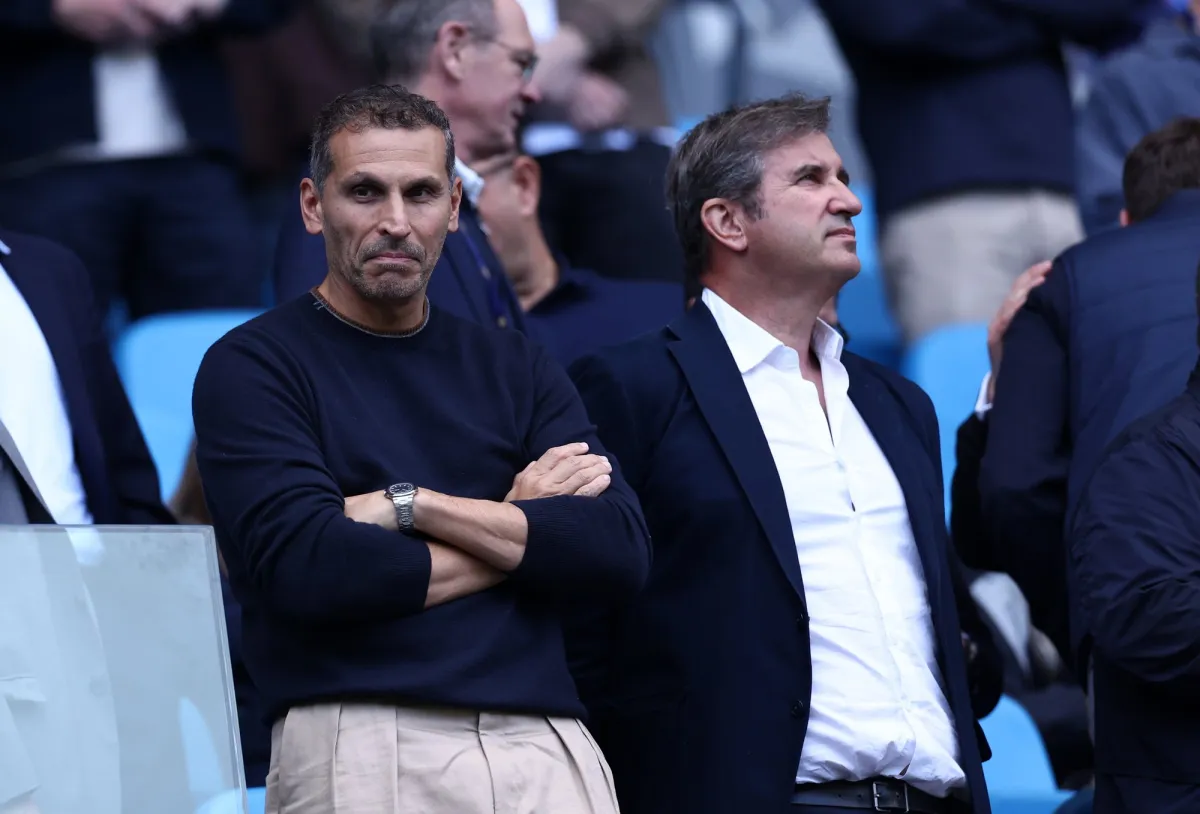
The verdict is in. Manchester City has been found guilty of 114 breaches of Premier League financial regulations, a ruling that doesn’t just punish a club—it threatens to dismantle the modern era of English football. The consequences are stark: titles won under Mancini, Pellegrini, and Guardiola could be erased; relegation is a real possibility; and the club may even face expulsion from the Premier League, with the EFL refusing to guarantee its entry. But City isn’t accepting defeat. Its appeal, filed with urgency, argues the commission’s opinion is ‘unsafe’—flawed in law, principle, and fact—and insists the club has ‘irrefutable evidence’ to prove its innocence. At the heart of the dispute is a claim that sponsorship payments, labeled by the Premier League as a ‘sham,’ were not directed by Sheikh Mansour but by an Abu Dhabi government body—a distinction that could redefine the case.
The political dimensions of this saga are impossible to ignore. Bloomberg reports that UAE officials have warned the UK government that Premier League actions could jeopardize a $30 billion annual trade relationship, while Downing Street has been forced to walk back Prime Minister Andy Burnham’s comments—first praising City’s role in Manchester’s regeneration, then facing accusations of political interference. Burnham’s initial remark, that he would be ‘really concerned’ if the owners sold up, sparked outrage, with critics arguing it undermined the independence of the regulatory process. The Premier League’s own rules, designed to expedite appeals, now face scrutiny: City’s legal team has signaled it may challenge the framework itself, arguing the tribunal’s lack of a timetable was a deliberate oversight by the League’s board. If the appeal fails, the fallout won’t just be reputational. The club’s financial future could be in question, with some analysts suggesting forced ownership changes if the owners are deemed unfit to govern.
The implications stretch beyond Manchester. This isn’t just about one club’s alleged financial doping—it’s a test of whether the Premier League’s rules are enforceable at all. The commission’s finding that witnesses provided false evidence and misled the inquiry adds another layer of gravity. If City’s appeal succeeds, the League’s credibility is shattered; if it fails, the message is clear: cheating has consequences, but only if the cheaters are the ‘right’ ones. The ‘red cartel’ theory—suggesting the League’s elite (United, Liverpool, Arsenal) collude to suppress competition—has resurfaced in private circles, though it remains unproven. Yet the timing of City’s rise under Guardiola, with marquee signings like De Bruyne, Toure, and Agüero, can’t be ignored. Their legacy—from Agüero’s 2012 winner to Guardiola’s trophies—now hangs in the balance, tainted by the very system that allowed it.
The fan reaction is a microcosm of the sport’s fractured identity. Some demand punishment, others sympathy, while a third faction sees this as proof that the game is no longer about them. Ticket prices, the Super League scandal, and the commercialization of club identities have already eroded trust. If City is punished, the precedent sets a dangerous precedent: that only the ‘old guard’ can operate within the rules. If they escape, the message is that money and influence can override them entirely. Either way, the beautiful game’s integrity is on trial—and the verdict could redefine it forever.



