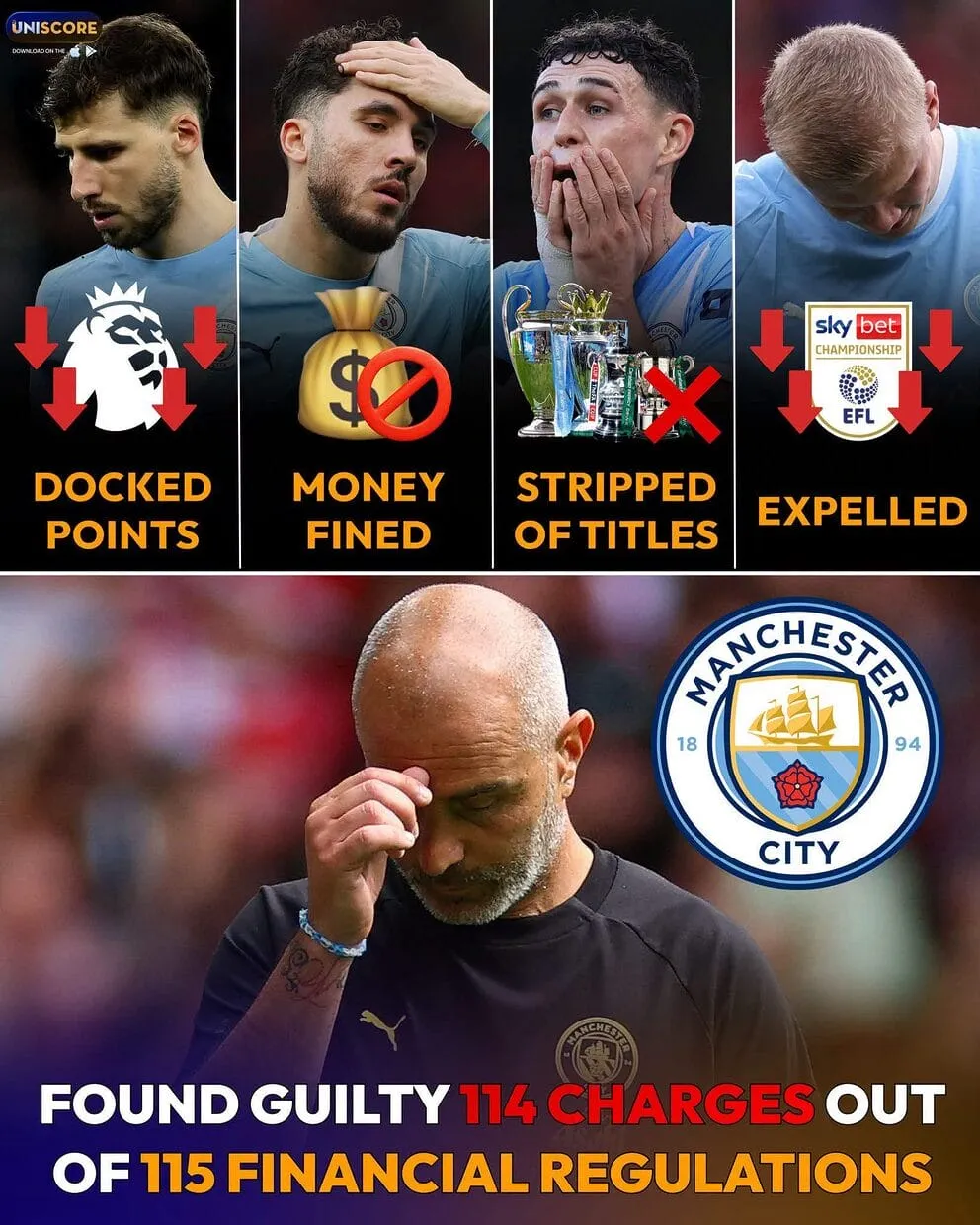
The moment Manchester City were found guilty of 114 out of 115 alleged financial breaches by the Premier League—spanning the period from 2009 to 2018—wasn’t just a legal verdict. It was the unmasking of a decade-long charade, one where money, influence, and tactical brilliance masked a foundation built on rule-breaking. The Citizens’ dominance, the most sustained in Premier League history, now hangs by a thread, not just in the courts but in the collective memory of the game. The guilty findings, which cover everything from inflated sponsorship payments to opaque financial structures, reveal how a club once celebrated for its innovation became a symbol of what happens when ambition outstrips integrity.
The scale of the violations is staggering. Internal documents obtained during the investigation revealed that the £67.5 million ‘sponsorship’ deal with Etihad Airways was a facade—only £8 million actually came from the airline, with the rest funneled through the club’s owners. Meanwhile, Pep Guardiola, the architect of City’s golden era, was simultaneously paid £1.75 million annually for ‘consultancy services’ despite working minimal hours. These weren’t isolated incidents; they were part of a deliberate system designed to obscure the true financial health of the club. The Premier League’s regulations allow for severe penalties, from fines to points deductions or even expulsion—a prospect that sends shivers through the footballing establishment. The Citizens have already announced their intention to appeal, but the damage to their reputation is irreversible.
The fallout extends far beyond Manchester City. The club’s global empire—owning or controlling 13 football teams across continents—means the scandal could ripple into leagues from the MLS to the A-League. But the most immediate impact will be felt in the Premier League itself. A former top club executive warned that the legal battle could ‘spiral out of control,’ with rival clubs potentially seeking compensation for lost revenue during City’s dominant years. The financial implications are colossal: estimates suggest the Premier League could face losses of up to €2.8 billion if City are expelled, a figure that would force broadcasters to renegotiate deals and players to reconsider their contracts. Even as City prepare for their next fixture—a high-stakes away game against Liverpool—the Kop stands ready to roar in defiance, not just of the result, but of the very idea that money could ever buy this kind of immunity.
What remains unclear is how the game will respond. Will the Premier League impose a symbolic fine, or will it take the radical step of stripping City of their titles? The independent commission’s full findings have yet to be published, but the verdict has already reshaped the narrative around Manchester City’s success. No longer can their achievements be celebrated without qualification. The club’s legacy, once untouchable, now sits in the balance—proving that in football, as in any other arena, the pursuit of power without accountability always comes with a price.
The next chapter of this story will be written in the courts, on the terraces, and in the boardrooms of football’s elite. One thing is certain: the era of unchecked dominance is over. The question now is whether the game will learn from this moment—or if history will repeat itself.